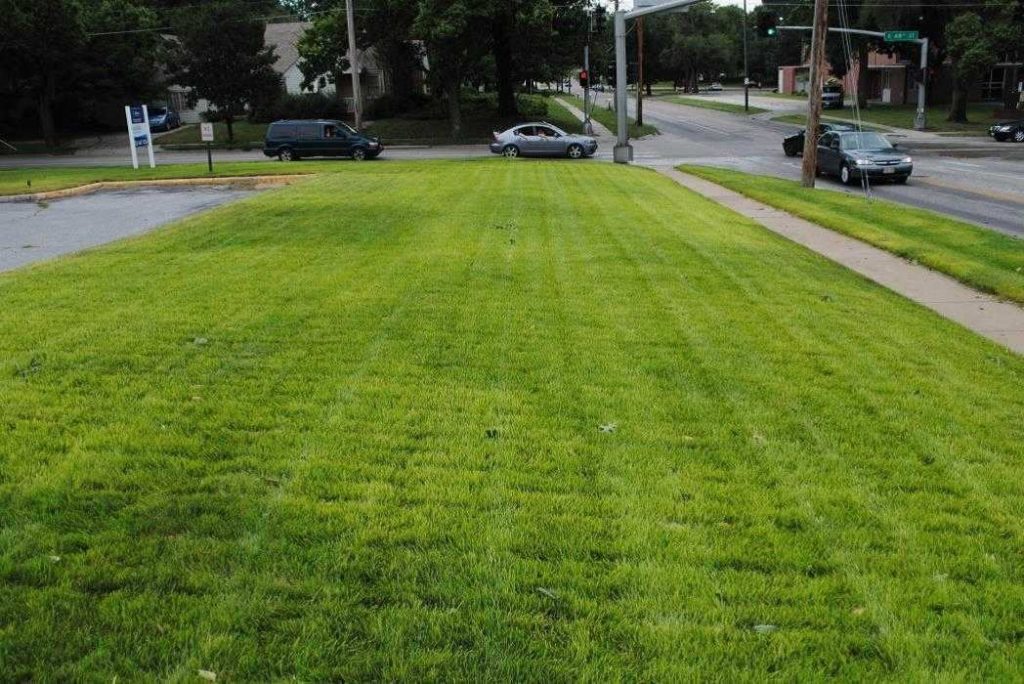
Your lush green Kentucky Bluegrass suddenly turning yellow can be alarming, but don’t panic. Often, yellowing grass indicates underlying issues like improper watering, nutrient deficiencies, or stress from pests or diseases. The good news is that with some simple adjustments, you can help your lawn regain its vibrant color and health.
In short, Kentucky Bluegrass turns yellow mainly because of watering problems, nutrient shortages, or environmental stress. Identifying the cause and addressing it promptly will restore your lawn’s beauty. Proper watering, fertilization, and pest control are key to keeping your grass lush and green. Understanding these common issues helps you act quickly to revive your yard and enjoy a healthy, attractive lawn.

Why Is My Kentucky Bluegrass Yellow? Understanding the Causes and Solutions
Introduction to Kentucky Bluegrass and Its Typical Appearance
Kentucky bluegrass is a popular grass type because of its lush, vibrant green color and dense growth. It is commonly used in lawns, sports fields, and parks because it creates a beautiful, soft carpet-like surface. Typically, healthy Kentucky bluegrass stays green throughout the growing season. When it turns yellow, it often signals an underlying problem that needs attention.
Common Reasons Why Kentucky Bluegrass Turns Yellow
Several factors can cause Kentucky bluegrass to lose its rich color and turn yellow. Understanding these causes can help you diagnose the problem correctly. They include watering issues, soil problems, pests, diseases, and environmental stresses. Recognizing the signs early can prevent long-term damage to your lawn.
Inadequate Watering and Drought Stress
Watering plays a crucial role in maintaining the health of Kentucky bluegrass. When the grass does not receive enough water, it cannot perform photosynthesis effectively, leading to yellowing or browning. During hot, dry periods, lawns may become stressed and turn yellow. Similarly, overwatering can suffocate roots and promote disease, also causing yellow patches.
Signs of Watering Problems
- Yellow patches appearing during dry spells
- Uneven lawn with some areas more yellow than others
- Soil feels dry beneath the grass
Proper Watering Tips
- Water deeply but infrequently, aiming for about 1 to 1.5 inches per week
- Water early in the morning to reduce evaporation
- Avoid shallow, frequent watering which encourages shallow root growth
Nutrient Deficiencies and Soil Imbalance
Your Kentucky bluegrass may turn yellow if it lacks essential nutrients, especially nitrogen. Nitrogen is part of chlorophyll, which gives grass its green color. Deficiency in other nutrients like iron, magnesium, or potassium can also cause yellowing.
Identifying Nutrient Deficiencies
- Yellowing begins at the tips or edges of grass blades
- Yellow patches spread across the lawn over time
- Soil test results indicate low nutrient levels
How to Correct Nutrient Deficiencies
- Apply a nitrogen-rich fertilizer according to package instructions
- Use a soil amendment to boost iron levels if needed
- Follow recommendations from soil testing to balance nutrients properly
Pest Infestations and Disease Problems
Certain pests and diseases can cause Kentucky bluegrass to turn yellow or brown. Pests like grubs, chinch bugs, or billbugs damage roots or blades, weakening the grass. Diseases like dollar spot, rust, or leaf spot can also reduce vitality.
Recognizing Pest and Disease Damage
- Yellow patches with uneven, ragged edges
- Presence of insects or insect damage
- Fungal spots on blades or patches of dead or dying grass
Effective Treatments
- Use appropriate pest control products for identified insects
- Apply fungicides for recurring fungal diseases
- Maintain proper lawn hygiene to prevent disease spread
Environmental and Soil Conditions
Environmental stressors such as compacted soil, poor drainage, or high soil pH can make Kentucky bluegrass turn yellow. Additionally, extreme temperatures, shade, or pollution can weaken the grass.
Impact of Soil Conditions
- Compacted soil restricts water and nutrient flow to roots
- Poor drainage causes waterlogging, leading to root rot and yellowing
- High soil pH levels affect nutrient availability
Solutions for Soil and Environmental Issues
- Aerate the lawn to reduce soil compaction
- Adjust drainage by creating slopes or installing drainage systems
- Test soil pH and add lime or sulfur to balance it
Effects of Mowing and Lawn Maintenance
Incorrect mowing practices can stress Kentucky bluegrass and lead to yellowing. Cutting the grass too short exposes roots and makes the plant more vulnerable. Over-fertilization or improper timing of lawn maintenance also contributes to yellow patches.
Proper Mowing Techniques
- Set mower blades to a height of 2.5 to 3 inches for Kentucky bluegrass
- Never remove more than one-third of the grass height at a time
- Keep mower blades sharp for clean cuts, reducing stress
Maintaining Healthy Lawn Practices
- Fertilize according to the lawn’s needs, avoiding overuse
- Adjust watering and mowing schedules with the seasons
- Remove thatch buildup to improve air and nutrient flow
Weather and Seasonal Changes
Temperature extremes and seasonal changes can influence the color of Kentucky bluegrass. Cold weather can cause dormancy, leading to yellow or brown patches. Conversely, hot weather can stress the lawn, especially if combined with drought conditions.
Managing Seasonal Stress
- Prepare your lawn for winter with fertilization and aeration
- Adjust watering during hot summer months
- Overseed or apply fertilizer in early spring for quick recovery
Preventative Measures and Lawn Care Tips
Regular maintenance and proactive care can prevent Kentucky bluegrass from turning yellow. Proper fertilization, watering, mowing, and pest management are key steps.
Key Lawn Care Practices
- Schedule soil testing annually to monitor nutrient levels
- Use high-quality seeds suited for your climate and soil
- Implement a regular watering schedule tailored to weather conditions
- Apply appropriate fertilizers and amendments at recommended times
- Monitor for pests and diseases regularly to catch issues early
Summary of Solutions to Restore Green Color
To restore your Kentucky bluegrass’s vibrant green, identify the cause first. Adjust watering habits, improve soil conditions, apply correct nutrients, and control pests or diseases. Consistently following best practices can keep your lawn healthy and lush.
Yellowing Kentucky bluegrass can be frustrating, but with proper diagnosis and care, most issues can be resolved. Regular lawn maintenance and attention to environmental factors will help keep your grass green and thriving. A healthy, beautiful lawn takes patience and consistent effort, but the results are worth it in the end.
Is your Kentucky Bluegrass turning yellow?
Frequently Asked Questions
Could nutrient deficiencies cause my Kentucky bluegrass to turn yellow?
Yes, deficiencies in essential nutrients like nitrogen, iron, or manganese can result in yellowing grass. Nitrogen is vital for healthy green color, and a lack of it makes the grass appear pale or yellow. Iron deficiency affects chlorophyll production, leading to similar discoloration. Regular soil testing and proper fertilization help prevent these deficiencies and promote a lush, green lawn.
How does improper watering lead to yellowing Kentucky bluegrass?
Overwatering can suffocate grass roots, causing them to weaken and turn yellow. Conversely, underwatering leads to drought stress, also resulting in yellow patches. Maintaining consistent moisture levels, allowing the soil to dry slightly between watering sessions, supports healthy root growth and keeps the grass vibrant.
Can stress from foot traffic or recent renovations cause yellowing of my lawn?
Heavy foot traffic or recent landscaping activities can stress Kentucky bluegrass, causing it to turn yellow or brown temporarily. Such stress damages the grass blades and roots, reducing their ability to produce chlorophyll. Allowing the lawn to recover with proper watering, aeration, and minimal disturbance helps restore its green color over time.
Is disease or pest infestation responsible for the yellow patches in my lawn?
Yes, certain diseases like dollar spot or root rot, and pests such as grubs, can lead to yellowing or thinning grass. These issues damage the blades or roots, resulting in discoloration. Identifying the specific problem and applying targeted treatments, like fungicides or insecticides, can help eliminate the cause and restore healthy grass.
Could environmental factors like sunlight exposure affect my Kentucky bluegrass’s color?
Limited sunlight or excessive shade can cause Kentucky bluegrass to become pale or yellow, as the grass struggles to perform photosynthesis efficiently. Ensuring the lawn receives adequate sunlight and trimming surrounding trees can improve overall health and color of the grass.
Final Thoughts
A yellowing Kentucky bluegrass often signals nutritional deficiencies, poor soil drainage, or inadequate watering. Overexposure to sunlight or compacted soil can also stress the grass, causing discoloration. Ensuring proper fertilization and watering schedules helps maintain its vibrant green color.
Regular aeration and soil testing can identify issues early, allowing for targeted fixes. Keep an eye on environmental factors that might stress your lawn, and adjust care routines accordingly.
Why is my Kentucky bluegrass yellow? Correcting these issues promotes a healthier, greener lawn. Addressing basic care needs makes a noticeable difference in its appearance.