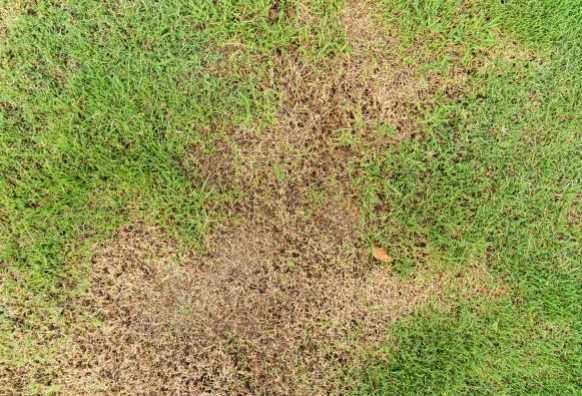
If your Bermuda grass is turning dull or yellowish, it’s likely signaling that something isn’t right with its health or care. The good news is, often it’s a fixable issue like improper watering, nutrient deficiencies, or shading that causes the lack of vibrant green. By pinpointing the main causes, you can restore your lawn’s lush color and enjoy a beautiful outdoor space once again.
In short, Bermuda grass may lose its green hue due to inadequate nutrients, poor watering practices, or environmental stress. Addressing these issues with proper fertilization, watering, and lawn management can quickly bring back its lively, verdant appearance. Understanding what’s behind the discoloration is the first step to reviving your grassy paradise.
Your Bermuda grass’s color can change for several reasons, and diagnosing the cause can seem tricky. Sometimes, it’s as simple as adjusting your watering schedule or fertilization routine. Other times, environmental factors like shade or soil problems come into play. It’s frustrating to see your once vibrant lawn turn less green, but with a little attention and care, you can bring back its rich color. Knowing the common culprits—nutrient deficiencies, overwatering or underwatering, pests, or soil issues—helps you take targeted action. With consistent lawn care and the right treatments, your Bermuda grass can regain its lush, green glory and be the envy of your neighborhood.

Why is my Bermuda grass not very green?
Understanding the Natural Color of Bermuda Grass
Bermuda grass is known for its vibrant green shade and dense growth. However, its color can vary based on several factors. Sometimes, the grass appears dull or patchy instead of bright green. Recognizing what influences its color is the first step to keeping it healthy and green.
Common Reasons for Yellow or Pale Bermuda Grass
Many homeowners notice their Bermuda grass losing its color or becoming pale. This can happen due to nutrient deficiencies, improper watering, or stress from environmental conditions. Knowing these typical causes helps in diagnosing the problem accurately.
Nutrient Deficiencies and Their Impact on Grass Color
The most common reason Bermuda grass turns less green is a lack of essential nutrients. Nitrogen, in particular, plays a vital role in giving grass its rich green hue. When the soil lacks enough nitrogen, the grass turns yellowish or pale.
Signs of Nitrogen Deficiency
– Pale or yellowish color
– Thin, spindly growth
– Slow recovery after damage
How to Fix Nitrogen Deficiency
Applying a balanced fertilizer rich in nitrogen can quickly improve color. Use a fertilizer specifically formulated for Bermuda grass, following the recommended application rates.
Overwatering or Underwatering Issues
Water management directly affects Bermuda grass color. Too much water can drown roots, causing stress and discoloration. Conversely, too little water leads to drought stress, making the grass turn yellow or brown.
Signs of Improper Watering
– Pale or patchy areas
– Wilting or dry patches
– Soil that feels too wet or too dry
Best Practices for Watering Bermuda Grass
Water deeply but infrequently, aiming for about an inch of water per week. Water early in the morning to reduce evaporation and allow the grass to dry before evening.
Soil pH Levels and Their Effect on Grass Color
The pH level of your soil impacts nutrient availability for Bermuda grass. Soil that is too acidic or alkaline can cause deficiencies even if fertilizers are used.
Ideal Soil pH for Bermuda Grass
– Range: 5.8 to 7.0
– Slightly acidic to neutral
Testing and Adjusting Soil pH
Perform a soil test annually to determine pH. Lime can be added to raise pH if soil is too acidic, while sulfur can lower pH if it’s too alkaline.
Pest and Disease Problems
Insects like grubs and diseases such as brown patch can weaken Bermuda grass, leading to discoloration. Healthy grass is less susceptible to color loss caused by pests or diseases.
Common Pests and Signs
– White grubs in soil
– Yellow patches that expand
– Dead or thinning areas
Controlling Pests
Use appropriate insecticides and maintain healthy, well-maintained turf to reduce pest problems.
Environmental Stresses and Their Effects
Extreme weather conditions such as drought, excessive heat, or cold stress can cause Bermuda grass to lose its vibrant green. Environmental stress weakens roots, making the grass more prone to discoloration.
Signs of Environmental Stress
– Pale or yellow patches during drought
– Thinning in hot summer months
– Damage after frost or cold snaps
Minimizing Stress Effects
Provide proper watering during dry periods, mow at recommended heights, and protect grass from extreme cold or heat as much as possible.
Proper Mowing Techniques for Healthy, Green Bermuda Grass
Mowing height influences grass health and color. Cutting too short can weaken the grass, making it turn yellow or brown.
Optimal Mowing Height
– Keep Bermuda grass at about 1 to 2 inches
– Avoid cutting more than one-third of the height at a time
Additional Mowing Tips
Regularly sharpen mower blades to prevent tearing grass and clear clippings to reduce thatch buildup.
Air Circulation and Grass Density
Good airflow helps prevent fungal diseases and promotes healthy growth, keeping Bermuda grass lush and green. Dense, poorly ventilated lawns are more prone to stress and discoloration.
Ways to Improve Air Circulation
– Avoid overcrowding by overseeding or thinning where necessary
– Aerate the lawn to reduce soil compaction
– Maintain proper mowing practices to avoid excessive shade
Steps to Revive and Maintain a Green Bermuda Lawn
To keep Bermuda grass vibrant, establish a regular maintenance schedule. This includes fertilizing, watering, mowing, and aerating.
Seasonal Care Tips
– Fertilize in spring and summer
– Water deeply during dry spells
– Overseed bare patches as needed
– Aerate once or twice a year
Common Mistakes to Avoid
– Over-fertilizing, which can lead to disease
– Mowing too low or too often
– Ignoring soil testing and pH adjustments
Related Topics: Lawn Care for a Vibrant Green Garden
To enhance the health and color of Bermuda grass, consider integrating related practices such as soil conditioning, pest management, and proper watering techniques. These efforts create a thriving, green lawn that adds beauty and value to your home.
This comprehensive understanding of why Bermuda grass may lose its green color empowers homeowners to identify issues early and take the right steps for healthy, lush, green lawns. By paying attention to nutrient levels, watering habits, soil conditions, and environmental stresses, you can help your Bermuda grass stay vibrant and attractive year-round.
Why is my BermudaGrass not turning GREEN?
Frequently Asked Questions
What soil conditions could cause my Bermuda grass to lose its green color?
If the soil lacks essential nutrients like nitrogen, potassium, or phosphorus, Bermuda grass will struggle to maintain its vibrant green appearance. Additionally, poor soil drainage can lead to waterlogging, which stresses the grass and diminishes its color. Conducting a soil test helps identify deficiencies and pH imbalance, allowing you to amend the soil accordingly for healthier, greener turf.
Can improper watering affect the greenness of my Bermuda grass?
Yes, both underwatering and overwatering can negatively impact Bermuda grass color. Insufficient watering causes drought stress, which leads to a dull, brownish hue. On the other hand, excess water fosters root rot and weakens the grass, making it less vibrant. Maintaining a consistent watering schedule that provides deep, infrequent watering encourages healthy roots and a rich green color.
How might pests or diseases influence the color of my Bermuda grass?
Pests such as grubs or disease organisms like brown patch can damage the grass tissue, resulting in patches of discoloration. These issues weaken the grass and prevent it from producing the necessary chlorophyll, leading to a dull or yellowish appearance. Identifying and treating pest infestations or fungal infections early helps restore the grass’s health and its natural green tone.
Does grass cutting height impact the greenness of Bermuda lawn?
Yes, mowing Bermuda grass too short can stress the plants and reduce their ability to photosynthesize effectively, causing color loss. Maintaining an optimal cutting height, usually around 1 to 2 inches, allows the grass to develop a healthy canopy that promotes vigorous growth and vibrant color. Regular mowing at the right height encourages a lush, green appearance.
Could seasonal changes or weather patterns influence the grass color?
Seasonal variations, especially during periods of extreme heat or drought, can cause Bermuda grass to turn yellow or brown temporarily. Extended periods of drought reduce water availability, leading to discoloration. Conversely, cooler temperatures in fall might slow growth and color development. Providing adequate watering during dry spells and proper care during seasonal transitions helps keep your lawn green and healthy year-round.
Final Thoughts
Bermuda grass may lose its vibrant green color due to inadequate watering, poor soil quality, or insufficient nutrients. Ensuring regular and deep watering helps maintain health, especially during hot months. Fertilizing with the right mix supports lush growth and color.
Additionally, sunlight exposure plays a vital role; Bermuda grass needs plenty of direct sunlight to stay green. Over-mowing or improper maintenance can also stress the grass and fade its color.
In summary, why is my Bermuda grass not very green? It often results from improper care, watering, or sunlight. Paying attention to these factors helps keep your lawn vibrant and healthy.