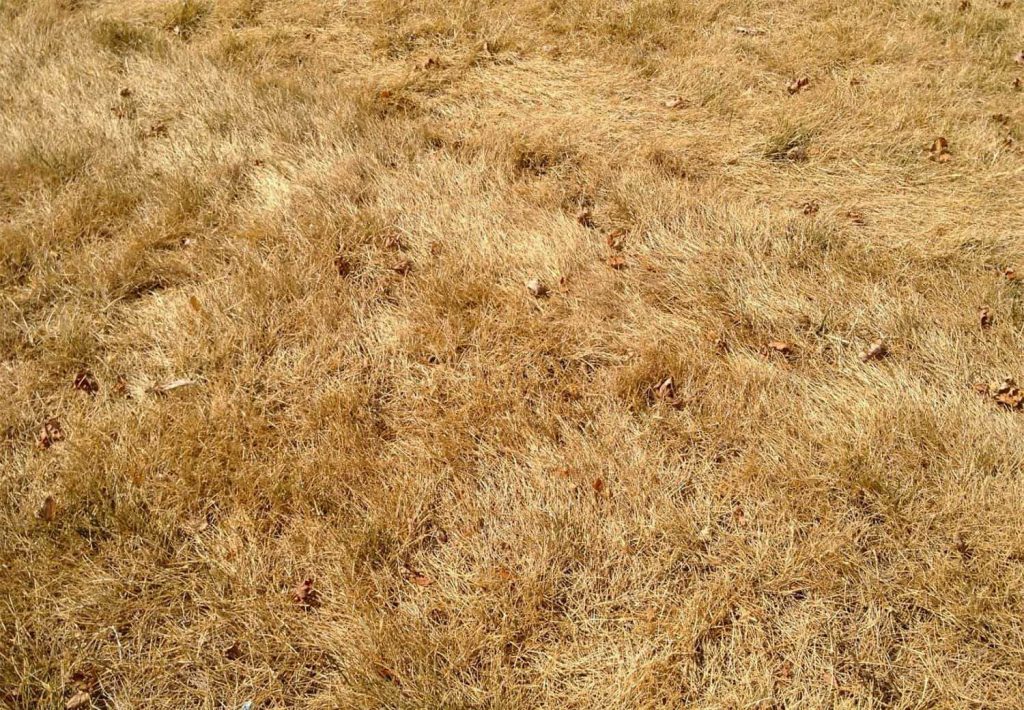
Bahia grass turning brown can be a real eye-sore, leaving your lawn looking dull and neglected just when you want it to be lush and green. The quick answer is that brown patches often happen due to drought stress, improper watering, or nutrient deficiencies, but understanding the exact cause can help you restore your lawn’s vibrant look. Bahia grass is hardy but sensitive to environmental changes, so pinpointing the reason behind its browning is key to fixing it.
In short, browning occurs mainly because of water shortages, overexposure to the sun, or poor soil health. Addressing these issues through proper watering, fertilization, and soil management can bring your Bahia grass back to life. In this article, we’ll explore the common causes behind browning Bahia grass and practical tips to keep it healthy and green all year round.

Why Does Bahia Grass Turn Brown?
Understanding Bahia Grass and Its Role
Bahia grass, known scientifically as *Paspalum notatum*, is a popular choice for lawns and pastures in warm climates. This grass type is favored because of its drought tolerance and ability to withstand heavy foot traffic. It produces a dense, low-maintenance turf that looks green and lush most of the year.
However, many homeowners and farmers notice their Bahia grass turning brown at times. This brown coloring can be concerning and confusing, prompting questions about the health of the lawn or pasture. To keep Bahia grass healthy and vibrant, it is crucial to understand the various reasons behind its change in color.
Factors Contributing to Bahia Grass Turning Brown
There are multiple reasons why Bahia grass can turn brown, from environmental stresses to nutritional deficiencies. Each factor affects the grass differently, and identifying the cause is key to effective management.
Some common causes include drought stress, excessive moisture, pests, diseases, and soil issues. Recognizing the symptoms can help determine the appropriate remedy to revive the grass.
Drought and Water Stress
One of the most frequent causes of Bahia grass turning brown is insufficient water. Like all grasses, Bahia needs consistent moisture to stay green and healthy. When rainfall is low or watering is irregular, the grass may enter a state of dormancy and turn brown to conserve water.
During drought conditions, Bahia grass reduces its metabolic activities, leading to a brown or dormant appearance. To prevent this, regular watering during dry periods is essential, especially during hot summer months.
Signs of Water Stress
- Dry, crispy blades of grass
- Uneven patches of brown across the lawn
- Slow recovery after watering
Overwatering and Excess Moisture
While lack of water can cause browning, too much water can be equally harmful. Overwatering leads to waterlogged soil, which deprives roots of oxygen, causing the grass to turn brown or develop a dull appearance.
Poor drainage is often the culprit behind excess moisture. It’s important to maintain a balanced watering schedule and ensure proper drainage to avoid suffocating the roots.
Indicators of Overwatering
- Soft or mushy patches in the lawn
- Musty smell from the soil
- Presence of fungal growth or mold
Pests and Insect Infestations
Certain pests can cause Bahia grass to turn brown by damaging the roots or blades. Common pests include grubs, mole crickets, and cutworms. These insects feed on the roots, weakening the grass and leading to brown patches.
Regular lawn inspections can help catch pest problems early. Applying appropriate pesticides or natural pest control methods can help manage infestations and restore the grass.
Pest Symptoms to Watch For
- Uneven browning with patches of healthy grass
- Presence of insects on the lawn
- Roots that appear chewed or damaged
Fungal and Disease Issues
Fungal infections like brown patch disease and leaf spot can cause Bahia grass to brown quickly, especially during humid and wet conditions. These diseases often appear as irregular brown patches on the lawn.
Proper identification and treatment with fungicides can help control these infections. Avoid overhead watering and ensure good air circulation to minimize disease risk.
Common Fungal Diseases
- Brown patch (Rhizoctonia solani)
- Gray leaf spot
- Root rot
Nutritional Deficiencies Affecting Color
A lack of essential nutrients, such as nitrogen, iron, and potassium, can lead to yellowing or browning of Bahia grass. Nitrogen deficiency, in particular, causes the grass to turn pale or brownish.
Fertilizing with a balanced nutrient mix tailored for Bahia grass can improve color and health. Regular soil testing helps determine deficiencies and guides appropriate fertilization.
Key Nutrients for Bahia Grass
- Nitrogen (N): Promotes lush green growth
- Iron (Fe): Prevents yellowing and maintains green color
- Potassium (K): Encourages overall plant vigor
Environmental Conditions and Seasonal Changes
Environmental factors such as temperature extremes, wind, and sunlight can influence Bahia grass coloration. During winter or cooler months, grass may naturally turn brown as it goes dormant.
Similarly, excessive heat in summer can stress the grass, leading to browning. Understanding seasonal patterns helps in taking proactive steps to support the grass through changing conditions.
Mitigating Seasonal Stress
- Provide shade during the hottest parts of the day
- Adjust watering schedules based on weather
- Apply soil amendments to improve temperature resilience
Soil Compaction and pH Imbalance
Compacted soil makes it difficult for roots to access water and nutrients, leading to browning and poor growth. Additionally, soil pH that is too low (acidic) or too high (alkaline) can hinder nutrient absorption, causing discoloration.
Aerating the soil and testing pH levels are important steps in maintaining optimal growing conditions for Bahia grass.
Tips for Soil Improvement
- Regular aeration to reduce compaction
- Adding lime or sulfur to adjust pH levels
- Incorporating organic matter to enrich the soil
Proper Maintenance Practices to Prevent Browning
Consistent lawn care can significantly reduce the risk of Bahia grass turning brown. Proper mowing height, regular fertilization, and timely watering are key practices.
Avoid cutting the grass too short, as this can stress the plant and increase vulnerability to environmental stresses and pests. Using appropriate lawn care tools and techniques helps ensure healthy, green Bahia grass.
Maintenance Checklist
- Maintain mowing height between 2.5 to 4 inches
- Implement a fertilization schedule, especially in spring and summer
- Water deeply but infrequently to encourage deep roots
- Address pest and disease issues promptly
- Check soil quality and aerate as needed
How to Revive Brown Bahia Grass
If your Bahia grass has turned brown, quick action can often bring it back to life. First, identify the underlying cause from the factors discussed. Then, take targeted steps to address the problem.
For instance, if drought is the issue, increase watering immediately. If pests or diseases are involved, treat with suitable remedies. Sometimes, reseeding or overseeding can help fill in damaged areas.
Steps to Recover Your Bahia Lawn
- Water thoroughly to moisten the soil
- Apply appropriate fertilizers based on soil test results
- Use pest control methods if pests are detected
- Manage fungal issues with fungicides as necessary
- Rake and remove dead grass to encourage new growth
- Reseed or overseed bare or heavily damaged patches
Understanding why Bahia grass turns brown helps homeowners and land managers take effective steps to maintain a healthy, green lawn. The key lies in recognizing environmental stresses, soil health, pests, and nutritional needs. Regular maintenance coupled with quick response to issues can keep Bahia grass vibrant and attractive. Proper watering, fertilizing, and pest management form the foundation for a lush, brown-free lawn all year round.
Why is this Lawn Turning Brown? #shorts
Frequently Asked Questions
What are the common environmental factors causing Bahia grass to brown?
Bahia grass can turn brown due to environmental conditions such as prolonged drought, excessive heat, or sudden temperature fluctuations. When the grass lacks adequate water or faces extreme temperatures, it struggles to maintain its green color and may go dormant or deteriorate. Additionally, strong winds can dry out the grass, leading to browning in affected areas.
How does improper watering impact Bahia grass coloration?
If Bahia grass doesn’t receive enough water, it cannot sustain healthy growth, causing it to turn brown. On the other hand, overwatering can promote fungal diseases and root rot, which also result in browning patches. Maintaining a consistent watering schedule that provides deep, infrequent watering helps keep the grass healthy and vibrant.
Can soil health influence the green appearance of Bahia grass?
Yes, soil quality plays a significant role in the grass’s color. Poor soil drainage, low fertility, or compaction can limit nutrient absorption, leading to discoloration and browning. Improving soil health through aeration, proper fertilization, and organic amendments can promote lush, green Bahia grass.
What role do pests and diseases play in browning Bahia grass?
Pests like chinch bugs and diseases such as root rot or fungal infections can damage Bahia grass roots and blades, causing the grass to turn brown. Regular inspection and timely treatment can prevent further damage and help restore the grass’s healthy green appearance.
How does seasonal dormancy affect Bahia grass’s color changes?
During colder months or periods of drought, Bahia grass may naturally enter dormancy, causing it to turn brown or straw-colored. This is a normal response to environmental stress. Once conditions improve, the grass often green up again as it resumes active growth.
Final Thoughts
The main reasons why bahia grass turns brown include drought stress, poor soil conditions, and improper watering. These factors cause the grass to lose its vibrant green color and become dormant. Additionally, high temperatures and lack of nutrients can contribute to browning.
Regular watering, proper fertilization, and mowing at the right height help keep bahia grass healthy. Identifying and addressing these issues promptly prevents long-term damage.
why does bahia grass turn brown? In summary, it often results from environmental stress and maintenance problems. Proper care ensures a lush, green lawn and reduces browning.