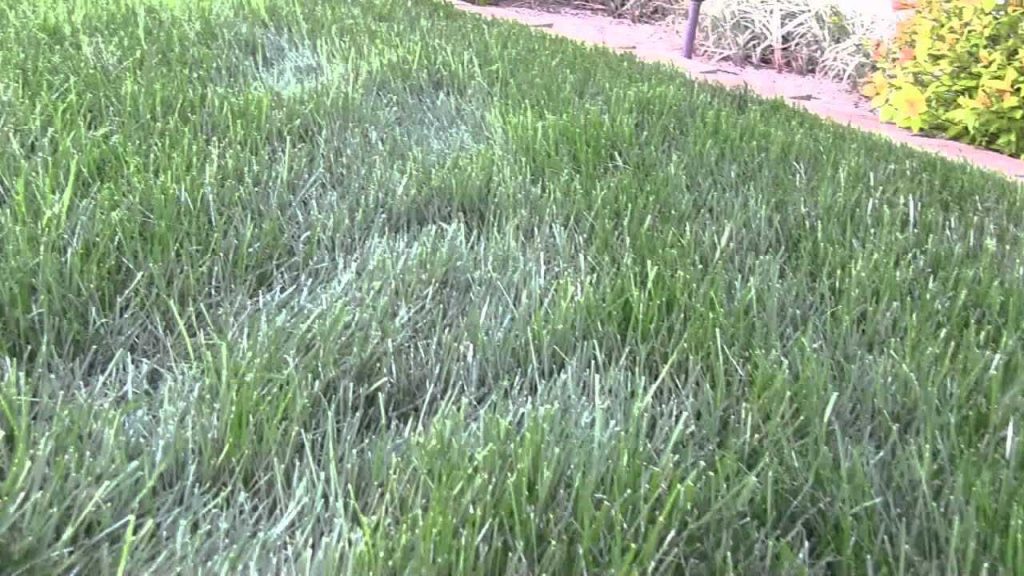
If you’ve noticed a white powder on your grass after applying fertilizer, don’t panic! This residue is often harmless and can be a result of several factors, such as the type of fertilizer used, moisture levels, or even the way the fertilizer was applied. In most cases, it’s simply a sign of fertilizer granules that haven’t fully dissolved yet. To deal with it, ensure that your grass gets enough water to help break down the residue. If the issue persists or you’re concerned about its impact on your lawn, consider consulting with a gardening expert for personalized advice. Understanding the cause can help you maintain a healthy lawn while enjoying the benefits of fertilization.
Seeing white powder on your grass after fertilizing can be concerning, but it’s usually nothing to worry about. This occurrence often results from the fertilizer granules not dissolving completely, which can happen due to environmental factors like humidity and temperature. In some cases, it might also be a sign of over-application or using the wrong type of fertilizer for your lawn. A thorough watering can help break down the powder, allowing it to nourish your grass properly. If the problem continues, it may be wise to reassess your fertilizing routine or consult a gardening professional to ensure your lawn remains healthy and vibrant.

Understanding the White Powder on Grass After Fertilizer
After applying fertilizer, you might notice a peculiar white powder on your grass. This phenomenon raises questions for many lawn care enthusiasts and homeowners. Is it harmful? Should you worry? Let’s dive deeper into the mystery of this white powder and what it means for your lawn.
What Causes the White Powder on Grass?
The white powder you see on your grass after fertilization often comes from nutrients in granular fertilizers. When moisture is introduced, such as rainfall or watering, the fertilizer may break down.
– Some fertilizers contain calcium, magnesium, or sulfur.
– These minerals can crystallize and appear as white powder.
Most often, the powder is not harmful. However, understanding its source can help you manage your lawn’s health better.
Types of Fertilizers That May Cause White Residue
Several types of fertilizers can leave a white residue on grass. Knowing these can help you select the right product for your lawn.
Granular Fertilizers
Granular fertilizers are among the most common types used. They often contain:
– Nitrogen
– Phosphorus
– Potassium
When applied, moisture can lead to a white powder forming on the grass.
Liquid Fertilizers
Liquid fertilizers can also leave a white residue, although it’s less common. When they dry, they can leave a powdery substance, particularly if they contain minerals.
Organic Fertilizers
Organic fertilizers such as bone meal or lime can create a white appearance after they are applied. Their natural composition can result in white powdery deposits.
Is This White Powder Harmful to Grass?
In most cases, the white powder is not harmful. However, understanding its potential effects can be beneficial.
– It does not typically affect the health of your grass.
– In rare cases, excessive fertilizer can lead to nutrient burn.
To avoid any issues, always follow the recommended guidelines for application.
How to Manage White Powder Residue
If you find the white powder unsightly, there are simple steps to manage it effectively.
Watering the Lawn
Watering your lawn after applying fertilizer can help the nutrients absorb into the soil. This can reduce the appearance of white residue.
– Ensure even watering across your lawn.
– Avoid over-watering, as this can cause runoff.
Raking the Powder
Raking lightly can help break up and distribute the white powder.
– This helps mix the fertilizer into the soil.
– Be gentle to avoid damaging the grass.
Choosing the Right Fertilizer
Select fertilizers that are less likely to leave a white residue. Look for:
– Soluble or liquid fertilizers
– Organic options to minimize residue
When to Be Concerned About White Powder on Grass?
While most instances of white powder are benign, there are situations when you should be cautious.
– Excessive white powder could indicate over-application.
– Look for signs of nutrient burn, such as browning tips on grass.
If you spot these issues, consider adjusting your fertilizer application strategies.
Understanding the Impact of Fertilization on Your Lawn
Fertilization is crucial for maintaining a healthy lawn. However, knowing how it interacts with your grass can enhance its benefits.
The Importance of Nutrients
Grass requires several essential nutrients to thrive. These include:
– Nitrogen for growth
– Phosphorus for root development
– Potassium for disease resistance
Proper fertilization ensures your lawn remains lush and green.
Application Timing
Timing plays an essential role in fertilizer effectiveness.
– Apply fertilizers during the growing season.
– Avoid fertilization during extreme weather conditions.
This ensures nutrients are readily absorbed.
Common Misconceptions About Fertilizer Residue
Misunderstandings can lead to unnecessary worry. Here are a few misconceptions regarding white powder on grass:
Myth 1: It’s Always Bad for Grass
The white powder is often mistaken for a bad sign. In reality, it usually means the fertilizer is doing its job.
Myth 2: It Indicates Poor Quality Fertilizer
Many high-quality fertilizers can leave white residues. The residuals often depend on specific nutrient compositions.
Myth 3: You Should Avoid Fertilization Completely
Avoiding fertilizers entirely due to the white powder is not advisable. Fertilization remains vital for lawn health when done correctly.
Environmental Considerations
Being mindful of fertilizer applications helps protect the environment. Excess fertilizers can lead to runoff, impacting local water sources.
– Use fertilizers sparingly and follow the instructions.
– Choose slow-release options when possible.
This minimizes the chance of nutrient loss and environmental harm.
Best Practices for Fertilizing Your Lawn
To ensure a healthy lawn while minimizing powder residue, consider the following best practices:
- Read product labels carefully.
- Apply fertilizers evenly across your lawn.
- Water your lawn after application.
- Monitor grass health regularly.
Following these practices helps maintain both your lawn’s appearance and health.
Seeing white powder on your grass after applying fertilizer can be surprising. However, in most cases, it’s a normal occurrence due to the nature of the fertilizer. Understanding the causes and impacts of this phenomenon will help you make informed decisions about lawn care. By following best practices and staying mindful of your lawn’s health, you can enjoy a beautiful and thriving yard all year round.
Identifying and Recovering From Fertilizer Burn! #fertilizer #lawn #diy
Frequently Asked Questions
What does the white powder on grass indicate after applying fertilizer?
The white powder on grass after fertilizer application often indicates the presence of a residue from the fertilizer itself. This residue can result from the solubility of certain compounds within the fertilizer, which can crystallize upon drying. It may also suggest that the fertilizer was not fully absorbed or utilized by the soil, leading to a buildup on the grass surface.
Is the white powder harmful to my lawn?
Generally, the white powder is not harmful to your lawn. However, if it is excessive, it might indicate over-fertilization or the use of a product not well-suited for your grass type. In such cases, it’s wise to monitor your lawn for any signs of stress or damage and consider adjusting your fertilizer application routine.
How can I prevent white powder from forming on my grass after fertilizing?
To prevent white powder formation, apply the fertilizer according to the recommended rates and directions on the package. Water your lawn thoroughly after applying fertilizer to help dissolve any soluble components and facilitate absorption into the soil. Additionally, choose a slow-release or granular fertilizer to minimize excess residues.
Can I remove the white powder from my lawn?
You can remove the white powder by simply mowing your lawn. The mower will chop up the residue, allowing it to break down and decompose into the soil. Additionally, gentle watering can help wash the powder away while promoting grass growth.
Does the type of fertilizer affect the amount of white powder left on the grass?
Yes, the type of fertilizer can affect the amount of white powder left on the grass. Some fertilizers, especially those high in salt or containing certain minerals, are more likely to leave residue. Using well-balanced fertilizers, specifically formulated for your grass type, can help reduce the occurrence of white powder.
Final Thoughts
The appearance of white powder on grass after fertilizer application may point to several factors, including excess nutrients or chemical residue. It is essential to identify the cause to prevent potential harm to your lawn. Regularly checking and adjusting your fertilizing practices can help maintain a healthy, vibrant lawn. Understanding the implications of white powder on grass after fertilizer ensures your landscaping remains in top condition while minimizing any negative effects.