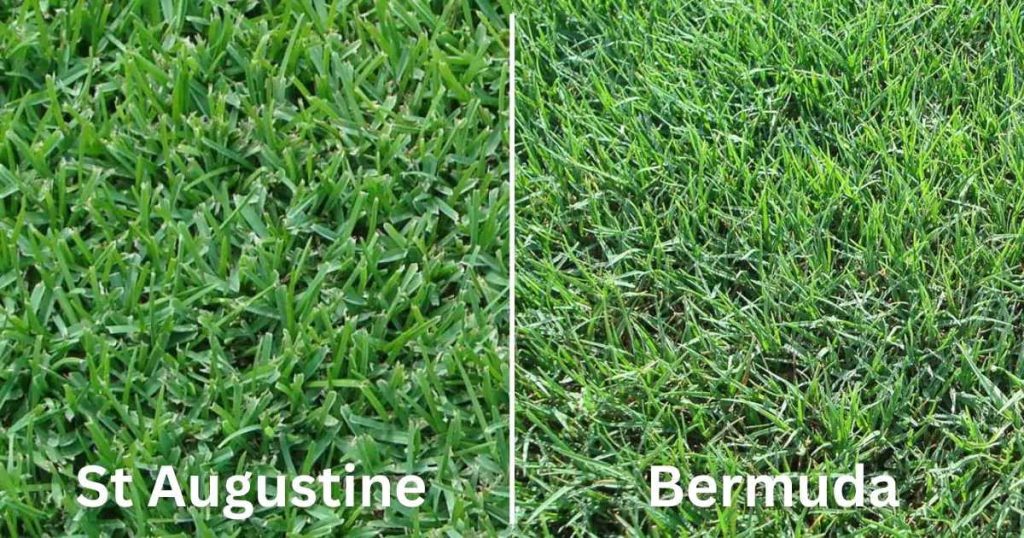
St. Augustine grass often wins for its lush, thick appearance and shade tolerance, making it perfect if your yard lacks full sun. Bermuda grass, on the other hand, is a tough, drought-resistant choice that thrives in full sunlight and handles high traffic well. If you’re torn between these two, consider your climate, sun exposure, and lawn use — each has its strengths suited to different needs.
In brief, St. Augustine is ideal for shaded, humid areas and provides a soft, attractive lawn, while Bermuda excels in sunny, dry conditions and offers durability. Choosing the best grass depends on your specific environment and lawn goals.
When deciding between St. Augustine and Bermuda grass, it’s important to understand their unique characteristics and the conditions they thrive in. Both grasses have passionate fans, but your yard’s climate, sunlight, and how you plan to use your lawn can make one a better fit than the other. St. Augustine is known for its dense, plush texture, making it a favorite in warmer, shaded zones, whereas Bermuda’s resilience and drought tolerance shine in sunny, high-traffic spaces. By matching your lawn’s help needs with the grass’s strengths, you’ll be closer to a beautiful, healthy yard that suits your lifestyle perfectly.

Which Grass Is Better: St Augustine or Bermuda?
Introduction to the Two Grass Types
Choosing the right grass for your yard depends on many factors, including climate, usage, and maintenance. Both St Augustine and Bermuda grass are popular choices in warmer regions. Understanding their differences can help you make the best decision for your outdoor space.
Climate Compatibility of St Augustine and Bermuda
St Augustine thrives in warm, humid environments. It prefers areas with mild winters and high moisture levels. Conversely, Bermuda grass thrives in hot, dry climates and can handle drought conditions well.
For regions with cold winters, Bermuda might go dormant, turning brown. St Augustine tends to stay green longer but may struggle with cold temperatures.
Growth Habits and Appearance
St Augustine
- Has broad, flat blades that give a lush, dense appearance
- Maintains a deep green color throughout the growing season
- Forms a thick, carpet-like grass, excellent for shade tolerance
Bermuda
- Features fine-textured blades that create a smooth, uniform look
- Has a bright, vibrant green color in the growing season
- Forms a dense turf that recovers quickly from damage
Sunlight and Shade Tolerance
St Augustine
Prefers partial shade and can tolerate areas with around 4 to 6 hours of sunlight daily. It is suitable for yards with trees or shaded corners.
Bermuda
Requires full sun to stay healthy. It needs at least 6 hours of direct sunlight each day for optimal growth and color.
Maintenance Requirements
Watering Needs
- St Augustine: Needs regular watering, especially in dry periods, to stay green and healthy.
- Bermuda: More drought-tolerant, requires less frequent watering once established.
Mowing Frequency and Blade Height
- St Augustine: Typically needs to be mowed at 2.5 to 4 inches for optimal health
- Bermuda: Mowed shorter, usually between 1 to 2 inches, for a manicured look
Aeration and Thatching
Both grasses benefit from regular aeration to prevent compaction, but Bermuda often recovers faster after aeration due to its aggressive growth pattern.
Traffic Tolerance and Durability
Bermuda grass is known for handling high foot traffic and sports activities well. It is often used on sports fields and high-use lawns.
St Augustine has moderate tolerance to foot traffic and may develop bald spots under heavy use. It’s better suited for ornamental lawns and areas with less activity.
Soil and Fertilizer Requirements
Soil Type
- St Augustine prefers slightly acidic to neutral soils with good drainage
- Bermuda prefers well-draining sandy soils and tolerates a wider range of soil types
Fertilization
- Both grasses benefit from regular fertilization during the growing season, but Bermuda often needs more nitrogen fertilizer to maintain its vibrant color and density
Pest and Disease Resistance
St Augustine is susceptible to certain pests like chinch bugs and fungal diseases such as gray leaf spot. Proper fertilization and watering help prevent issues.
Bermuda is more resistant but can suffer from dollar spot and brown patch disease. Regular maintenance reduces disease occurrence.
Environmental and Maintenance Considerations
Environmental Impact
Both grasses can contribute to water usage, but Bermuda’s drought tolerance makes it more eco-friendly in dry seasons.
Maintenance Time and Cost
Bermuda may require more frequent mowing and fertilization but recovers quickly from damage. St Augustine generally needs less aggressive upkeep but may require more watering and shade management.
Cost of Establishing and Maintaining
| Factor | St Augustine | Bermuda |
|---|---|---|
| Initial Cost | Moderate to high, depending on sod or seed | Generally lower, especially if seeded |
| Maintenance Cost | Moderate, mainly watering and fertilization | Higher due to frequent mowing and fertilizing needs |
| Resilience to Damage | Lower than Bermuda | High, recovers quickly from wear and tear |
Summary: Which Grass Is Better?
The choice between St Augustine and Bermuda depends largely on your specific environment and lawn use. Bermuda is excellent for areas with full sun, high traffic, and drought conditions. It offers durability and quick recovery after damage.
St Augustine works well in shaded areas, with a softer look and fewer maintenance needs. It is more suitable for lawns with partial shade and less foot traffic.
Related Topics for Further Reading
- Best Fertilizers for Warm-Season Grasses
- How to Aerate and Maintain Your Lawn
- Controlling Pests and Diseases in Your Lawn
- Watering Tips for Lawn Health
Understanding the key differences in growth habits, environmental needs, and maintenance will help you select the perfect grass for your yard. Both St Augustine and Bermuda can create beautiful lawns when properly cared for. Consider your climate, yard usage, and landscaping goals to make the best choice.
Bermuda Grass vs St Augustine: What Are The Differences? (A Detailed Comparison)
Frequently Asked Questions
How does the climate influence the choice between St. Augustine and Bermuda grass?
The climate plays a significant role in determining which grass is better suited for your lawn. St. Augustine thrives in warm, humid environments and remains green with minimal maintenance. Bermuda grass also prefers warm temperatures but can withstand drought and high heat conditions better. If you experience high humidity and ample rainfall, St. Augustine typically performs well. In areas with prolonged dry spells and intense summer heat, Bermuda grass often shows better resilience.
What are the differences in maintenance requirements for St. Augustine and Bermuda grass?
St. Augustine usually requires more frequent watering and fertilization to stay healthy and lush. It also needs regular dethatching and mowing at a higher height to prevent thatch buildup. Bermuda grass is more drought-tolerant and requires less frequent watering. It grows aggressively, which might mean more frequent mowing, but it generally demands fewer inputs for overall upkeep. Your choice depends on how much time and effort you want to dedicate to lawn care.
Which grass type offers better pest and disease resistance?
Bermuda grass tends to resist pests and diseases better than St. Augustine, especially in hot climates. However, both grasses can suffer from issues like chinch bugs or fungal infections if not properly maintained. St. Augustine is more vulnerable to certain diseases such as gray leaf spot, particularly in humid conditions. Regular lawn inspections and proper fertilization help minimize pest and disease problems for both types.
Can St. Augustine or Bermuda grass tolerate foot traffic better?
Bermuda grass is highly resilient to foot traffic and recovers quickly after heavy use, making it ideal for sports fields and play areas. St. Augustine has moderate tolerance but can develop bare patches under constant heavy traffic. If your lawn sees frequent use, Bermuda grass likely provides a more durable surface, although it may require overseeding or repair to maintain its appearance.
Which grass type adapts better to shaded areas?
St. Augustine performs well in shaded areas, thriving under partial shade and providing a dense, lush cover. Bermuda grass prefers full sun and struggles to grow in shaded conditions. If your yard has many shaded spots, St. Augustine offers a better solution for maintaining an attractive lawn in those areas.
Final Thoughts
which grass is better st augustine or bermuda depends on your needs. St Augustine thrives in shaded areas and offers a soft, lush surface. Bermuda, on the other hand, handles high traffic and full sun better, maintaining a dense appearance.
Consider your climate and usage before choosing. Both grasses have their strengths, but choosing the right one ensures a healthy, attractive lawn.
In conclusion, which grass is better st augustine or bermuda ultimately depends on your specific lawn conditions and preferences. Both can create a beautiful yard, but selecting the best fit guarantees lasting satisfaction.