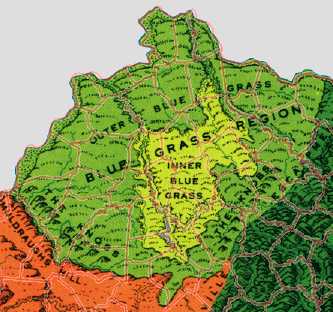
The Bluegrass region of Kentucky is a lush, vibrant area renowned for its rolling hills and rich soil, making it a paradise for horse lovers and nature enthusiasts alike. If you’re wondering where exactly this enchanting region is, it’s situated in the north-central part of Kentucky, stretching across several counties including Fayette, Bourbon, and Woodford. This charming area is famous not just for its scenic beauty, but also for its thriving horse industry and historic towns. In essence, the Bluegrass is a cultural and agricultural gem nestled right in the heart of Kentucky, attracting visitors and residents who appreciate its distinctive landscape and vibrant community. Whether you’re planning a visit or just curious, discovering its precise location offers a glimpse into Kentucky’s unique charm and heritage.
The Bluegrass region of Kentucky is located in the north-central part of the state, covering various counties like Fayette, Bourbon, and Woodford. It’s celebrated for its fertile land, horse farms, and scenic beauty, making it a focal point of Kentucky’s identity. This region is easily accessible and rich in history, culture, and natural splendor.

Where is the Bluegrass Region of Kentucky
The Bluegrass region is a special area in Kentucky known for its lush landscapes and rich history. Many people want to know exactly where this region is located and what makes it so unique. In this section, we will explore the precise location of the Bluegrass region and its significance within Kentucky.
Geography of the Bluegrass Region
The Bluegrass region covers a central part of Kentucky. It stretches roughly from the northern cities of Lexington and Winchester down to the southern areas near Danville. The land here is mostly flat or gently rolling, making it ideal for farming and horse breeding.
Boundaries of the Bluegrass Area
While there is no official boundary, most agree that the Bluegrass region includes several counties around Lexington, which is called the heart of the area. Some of these counties are Fayette, Woodford, Jessamine, and Clark.
Beyond these, the region extends into parts of Madison, Bourbon, and Scott counties. These areas share the same climate and terrain that define the Bluegrass landscape.
The Role of Lexington in the Bluegrass Region
Lexington is often called the “Horse Capital of the World” because of its deep connection to horse breeding and racing. It sits centrally within the Bluegrass region and serves as a hub for agriculture and equine industries.
This city is a gateway to understanding the culture and economy of the Bluegrass area. It also features many historic sites, parks, and events linked to the region’s identity.
Historical Roots of the Bluegrass Region
The Bluegrass region has a rich history that shaped its current identity. Early settlers brought farming traditions, and the area’s fertile soil helped crops flourish.
Origins of the Name “Bluegrass”
The name “Bluegrass” comes from the bluish hue seen in the tall grasses during certain seasons. These grasses, mainly Kentucky bluegrass, grow abundantly in this part of Kentucky.
Historical Significance
Throughout history, the Bluegrass region has been known for its horse farms, tobacco crops, and thriving communities. It played an essential part in Kentucky’s development in the 19th and 20th centuries.
The Climate and Environment of the Bluegrass Region
The Bluegrass region experiences a humid subtropical climate. Summers are warm and humid, while winters are generally mild with occasional cold snaps.
Precipitation and Seasonal Changes
Rainfall is fairly evenly spread across the year, helping the region maintain its lush greenery. Spring and fall are especially colorful due to blooming flowers and changing leaves.
Flora and Fauna
Besides Kentucky bluegrass, the region is home to many native plants and animals. Trees like oak, maple, and hickory create a vibrant backdrop for farms and woodlands.
Major Cities and Towns in the Bluegrass Region
The region is home to several key cities and towns that contribute to its culture and economy. Lexington is the largest city, serving as a cultural hub and economic center.
Lexington
Lexington is renowned for its horse industry, historic architecture, and vibrant downtown. It also hosts major events like the Kentucky Horse Park and the Kentucky Bourbon Festival.
Other Notable Towns
- Winchester: A historic town with charming shops and parks.
- Paris: Known for scenic views and antique shops.
- Danville: The home of Centre College and of friendly community vibes.
The Economy and Culture of the Bluegrass Region
Economically, the Bluegrass region thrives on agriculture, especially horse farms and tobacco cultivation. Tourism related to horse racing and historical sites also plays a big role.
Horse Industry and Agriculture
The region’s fertile soil and favorable climate make it perfect for raising thoroughbred horses. Many famous racehorses and trainers come from this area.
Tourism and Festivals
Visitors flock to the Bluegrass region for horse races, bourbon tastings, and historical tours. Events like the Kentucky Derby and the Kentucky Bourbon Festival attract large crowds yearly.
The Bluegrass Region’s Contribution to Kentucky’s Identity
This region symbolizes many of Kentucky’s best qualities, including hospitality, tradition, and excellence in horse racing. Its landscape and cultural practices are deeply woven into the state’s identity.
Symbolic Importance
The term “Bluegrass” has become synonymous with Kentucky’s musical roots and rural charm. Many associate it with the peaceful, scenic countryside and friendly communities.
Preservation and Future Growth
Efforts continue to protect the natural landscapes and historic sites of the Bluegrass region. At the same time, development aims to support local economies and sustain community traditions.
Related Topics About the Bluegrass Region
- The Kentucky Derby: How the Bluegrass region influences horse racing history.
- Farming in the Bluegrass: Crops, livestock, and sustainable practices.
- Bourbon Distilleries: Exploring the heritage of bourbon in the Bluegrass area.
- Nature and Parks: Visiting the parks, trails, and scenic routes in the region.
The Bluegrass region of Kentucky stands out not only because of its beautiful landscapes but also due to its rich history and cultural importance. Its location in the heart of Kentucky makes it accessible and full of life, connecting tradition with modern growth. Whether you’re interested in horse racing, farming, or exploring charming towns, the Bluegrass area offers a unique glimpse into Kentucky’s soul.
"Tourism Works for Kentucky's Bluegrass Region"
Frequently Asked Questions
What geographic features define the Bluegrass region in Kentucky?
The Bluegrass region of Kentucky is characterized by rolling limestone hills and fertile valleys. These features create ideal conditions for agriculture, especially horse farming. The area’s terrain and soil composition contribute to its lush pastures and distinctive landscape, making it a prominent geographic feature of the region.
Which cities are located within the Bluegrass area of Kentucky?
Major cities such as Lexington and Georgetown lie within the Bluegrass region. Lexington, known as the horse capital of the world, serves as the region’s central hub for horse breeding and racing. Other smaller towns and communities also make up the diverse fabric of this region, each contributing to its cultural and economic identity.
How does the Bluegrass region influence Kentucky’s economy?
The Bluegrass region has a significant impact on Kentucky’s economy through its prominent horse industry, including breeding, training, and racing. Additionally, agriculture, tourism, and education related to equine sciences thrive here. The region’s natural resources and reputation attract visitors and businesses, fueling economic growth.
What historical significance does the Bluegrass region hold in Kentucky?
The Bluegrass region played a vital role in Kentucky’s history, especially in agriculture and transportation. Its rich soil supported early farming communities, and its location facilitated trade and movement of goods. The region also holds cultural importance, shaping Kentucky’s identity through horse racing and local traditions.
How does the Bluegrass landscape impact recreational activities in Kentucky?
The rolling pastures, open fields, and scenic countryside make the Bluegrass region an ideal location for outdoor activities. Visitors enjoy horseback riding, hiking, and exploring the extensive horse farms. The landscape’s beauty also draws photographers and nature enthusiasts eager to experience the area’s natural charm.
Final Thoughts
The bluegrass region of Kentucky is known for its lush landscapes and vibrant cultural heritage. It stretches across central Kentucky, covering areas like Fayette, Bourbon, and Woodford counties. This region is famous for its horse farms, bourbon distilleries, and scenic beauty.
Where is the bluegrass region of kentucky? It lies primarily in central Kentucky, encompassing cities such as Lexington and surrounding counties. Its prominent role in agriculture and the arts makes it a key part of Kentucky’s identity.