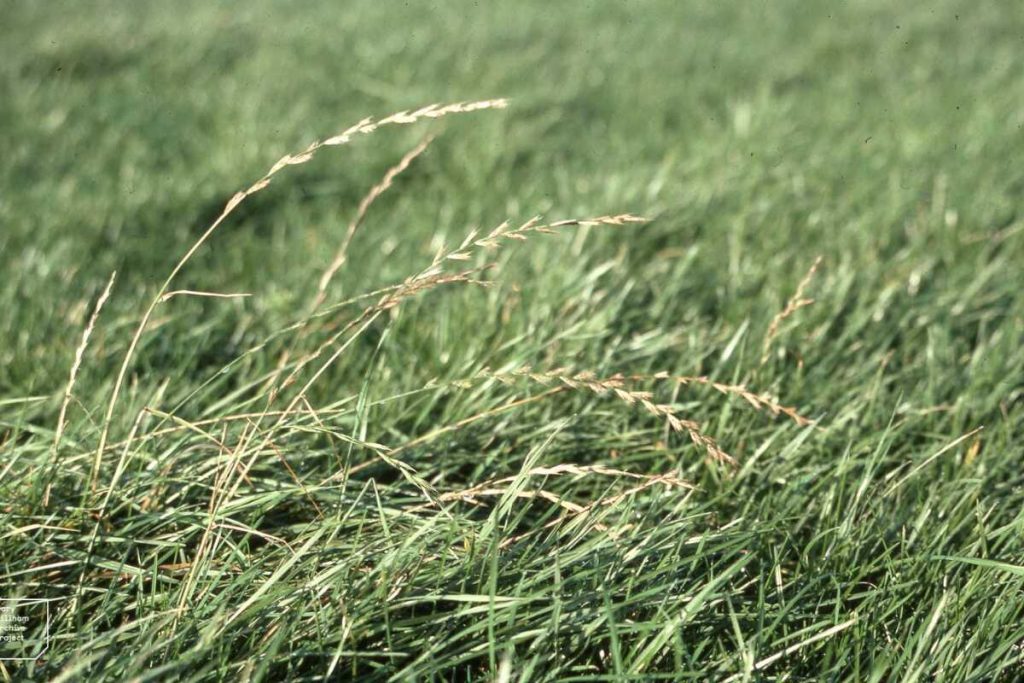
Plant perennial ryegrass in early fall or early spring for the best results. Timing depends on your climate, but generally, planting during cooler months helps establish a healthy, lush lawn.
In short, the ideal time to plant perennial ryegrass is during cool seasons, typically early fall or early spring, when temperatures are moderate and soil is moist. This allows the grass to develop strong roots before the heat of summer or winter stress sets in.
Getting your perennial ryegrass in the ground at the right time can make a huge difference in lawn health and durability. By planting during cooler periods, you give the grass a chance to establish itself well, resulting in a vibrant, dense, and resilient turf. Whether you’re overseeding an existing lawn or starting fresh, understanding the best planting windows can help you achieve a beautiful, lush yard that stays green and healthy throughout the seasons.

When to Plant Perennial Ryegrass
Understanding the Growing Seasons
Perennial ryegrass thrives best during cool seasons with moderate moisture. It prefers planting in early fall or early spring when the weather is neither too hot nor too cold. Planting during these times ensures the grass establishes well before extreme weather conditions arrive.
Why Timing Matters for Perennial Ryegrass
Timing influences the germination speed and overall health of your ryegrass. If planted too late or during unsuitable weather, seedling growth may be slow or uneven. Proper timing helps roots develop deeply, creating a lush, resilient lawn that can withstand traffic and drought.
Optimal Months for Planting Perennial Ryegrass
Early Fall (September to October)
Early fall offers ideal soil temperatures and moisture levels for rapid germination. Cool air temperatures help prevent stress on new seedlings, allowing for healthy root growth. Fall planting also gives grass time to establish before winter dormancy.
Early Spring (March to April)
Spring is another excellent window for planting, especially in regions with mild winters. As soil warms up, seeds germinate quickly, and grass can grow vigorously during longer daylight hours. Spring planting helps establish a strong turf before summer heat.
Late Fall (November)
In areas with mild winters, late fall can also be suitable, provided the soil remains workable and moisture levels are adequate. However, planting too late may risk cold damage before the grass has matured.
Considering Climate Conditions
Different climates impact the best planting time for perennial ryegrass.
Temperate Climates
In regions with moderate temperatures, planting in early fall or spring offers the best results. These periods typically have stable moisture and cooler air temperatures.
Cooler Climates
In colder zones, aim for early fall planting before the first frost. Ensure soil temperatures stay above 50°F (10°C) for optimal germination.
Warmer Climates
In warmer areas, spring planting is preferred to avoid heat stress during establishment. Also, avoid planting during the hottest months to prevent seedling scorch.
Soil Preparation Tips
Proper soil preparation ensures successful ryegrass cultivation regardless of planting time.
- Test soil pH: Aim for a pH between 5.5 and 7.0 for best growth. Amend soil if necessary with lime or sulfur.
- Clear Debris: Remove weeds, rocks, and old grass to create a smooth planting surface.
- Improve Soil Texture: Incorporate organic matter or compost to enhance drainage and nutrient retention.
Weather Conditions to Watch For
Ideal planting conditions involve soil temperatures between 50°F and 65°F (10°C to 18°C). Avoid planting during heavy rains, droughts, or when the ground is frozen. Consistent moisture without waterlogging supports seed germination and growth.
Steps for Successful Planting
To ensure the best results, follow these key steps:
- Choose the right time based on your climate and season.
- Prepare the soil thoroughly following proper techniques.
- Spread seeds evenly across the soil surface.
- Lightly rake the soil to cover seeds with a thin layer of soil or compost.
- Water gently but consistently to keep the soil moist.
- Apply a starter fertilizer if desired, to boost early growth.
Frequency of Watering After Planting
Keep soil moist during the germination period, typically for the first two weeks. Watering lightly but frequently helps establish strong roots. Reduce watering gradually as the grass becomes established.
Seasonal Variations and Regional Tips
In some regions, planting schedules may vary slightly due to local climate patterns.
Southern Regions
Plant in early spring or late fall to avoid high summer temperatures that can stress new seedlings.
Northern Regions
Focus on early fall for planting, allowing ample time for establishment before winter.
Coastal Areas
Mild temperatures and high humidity support flexible planting windows, mostly in fall or spring.
Additional Considerations for Successful Growth
Site selection is critical for optimal growth. Choose areas with good drainage and adequate sunlight. Avoid shaded spots that can hinder germination and turf density.
Summary of Planting Time Recommendations
| Region | Best Planting Time |
|---|---|
| Temperate Zones | Early fall or early spring |
| Cool Climates | Early fall, before first frost |
| Warm Climates | Spring, after last frost |
| Mild Coastal Areas | Fall or spring |
Common Mistakes to Avoid
Many fail to plant at the right time due to neglecting seasonal cues or soil readiness. Avoid planting during extreme heat or cold, as seedlings may struggle to establish. Also, skipping soil preparation or overwatering can hinder success.
Final Thoughts on Timing for Perennial Ryegrass
Planting at the correct time enhances the chance of a lush, healthy lawn. Always consider your local climate, soil conditions, and seasonal weather patterns. Proper timing, combined with good soil prep and care, leads to thriving perennial ryegrass that lasts for years.
Perennial Ryegrass Pros and Cons
Frequently Asked Questions
What is the ideal season for planting perennial ryegrass?
Plant perennial ryegrass during the cooler months of spring or fall when soil temperatures are between 50°F and 65°F (10°C to 18°C). Planting during these periods gives the grass optimal conditions for germination and establishment, as extreme heat or cold can hinder growth.
Can I plant perennial ryegrass during summer?
It is generally not recommended to plant perennial ryegrass during summer, especially in regions with high temperatures. High heat can stress young seedlings and reduce germination rates. If you need to plant in summer, ensure you do so early in the morning or late in the evening, and keep the soil moist to protect young grass from heat stress.
Is early spring a suitable time for planting perennial ryegrass?
Yes, early spring can be an appropriate time to plant perennial ryegrass, provided the soil has warmed enough and there is sufficient moisture. Plant after the last frost date and when soil temperatures reach around 50°F (10°C). This timing allows the grass to establish well before the hotter summer months.
How does soil preparation influence the best planting time for perennial ryegrass?
Proper soil preparation is crucial for successful planting. Ensure the soil is well-drained, fertile, and has been tilled to a fine texture. This preparation can be done before planting in spring or fall, making soil conditions more conducive to seed germination and early growth, regardless of the season.
What factors should I consider regarding rainfall before planting perennial ryegrass?
Adequate moisture in the soil is essential for perennial ryegrass to establish properly. Avoid planting during or right before a drought; instead, wait for periods of consistent rainfall or irrigate the soil thoroughly if rainfall is insufficient. Moist soil conditions shortly after planting support faster germination and strong root development.
Final Thoughts
The best time to plant perennial ryegrass depends on your climate and soil conditions. Typically, fall and early spring provide optimal planting windows, as temperatures are moderate and moisture levels are ideal. Planting during these periods encourages strong root development and healthy growth.
Plan your planting schedule carefully to ensure the grass establishes well before extreme weather conditions. Keep in mind that when to plant perennial ryegrass is crucial for achieving a lush, durable lawn. Proper timing results in a vibrant, resilient turf that thrives year-round.