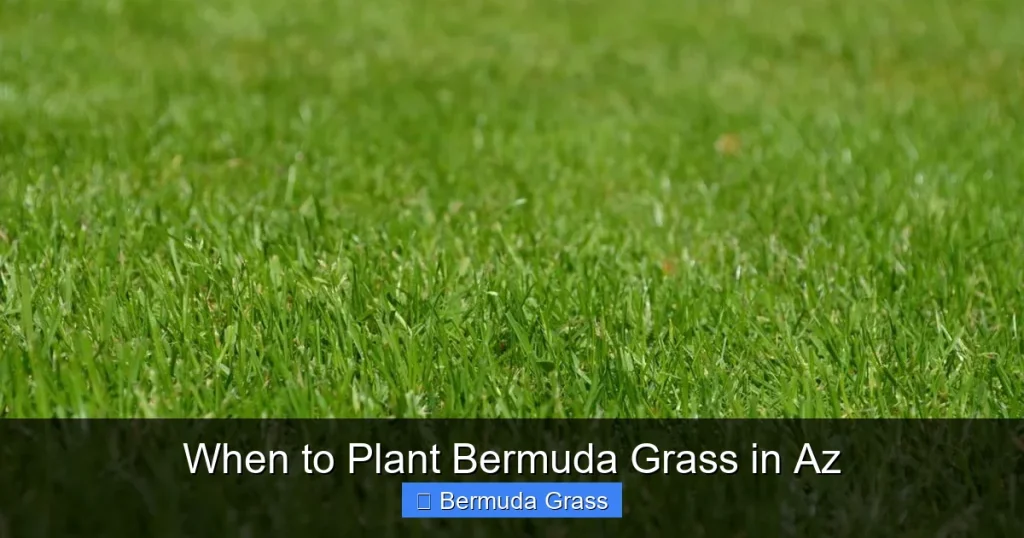
Planting Bermuda grass in AZ requires precise timing to ensure a thriving lawn. The optimal window is late spring to early summer, typically from late April through July, when soil temperatures consistently reach 65-70°F and higher. This warm period provides ideal conditions for rapid germination and strong establishment before the cooler months, setting your Bermuda grass lawn up for long-term success in Arizona’s unique climate.
When to Plant Bermuda Grass in AZ
Welcome to the ultimate guide on planting Bermuda grass in Arizona! If you’re dreaming of a resilient, beautiful green lawn that can withstand the intense AZ heat, Bermuda grass is an excellent choice. This tough, warm-season grass thrives in the kind of sunshine and warmth that Arizona delivers in spades. However, achieving that picture-perfect lawn isn’t just about picking the right grass; it’s also critically about planting it at the right time.
Planting Bermuda grass in AZ isn’t a “one size fits all” situation. Arizona’s diverse climate, from the scorching desert floors to the cooler high country, means that timing is everything. Get it right, and you’ll have a lush, vibrant lawn. Get it wrong, and you could face slow growth, weed problems, or even total failure, wasting your time, effort, and money.
In this comprehensive guide, we’re going to walk you through everything you need to know about when to plant Bermuda grass in AZ. We’ll cover the optimal planting windows, dive deep into the crucial factors like soil temperature, and help you understand how Arizona’s unique climate impacts your decision. We’ll also discuss when *not* to plant, how to prepare your soil, and crucial post-planting care to ensure your Bermuda grass establishes successfully. By the end, you’ll be equipped with the knowledge to plant your Bermuda grass with confidence and achieve the lawn you’ve always wanted.
Key Takeaways
- Optimal Planting Window: The best time to plant Bermuda grass in AZ is generally from late April through July, extending into early August in warmer areas.
- Soil Temperature is Crucial: Bermuda grass seeds, sprigs, or sod need consistent soil temperatures of 65-70°F (18-21°C) or higher to germinate and establish properly. Air temperature alone is not enough.
- Avoid Fall and Winter Planting: Planting Bermuda grass in the cooler months of fall or winter in Arizona is ineffective as the grass will be dormant and won’t establish before cold weather sets in.
- Prepare Your Soil Thoroughly: Before planting, ensure your soil is tested, free of weeds, properly amended, and leveled to give your new Bermuda grass the best start.
- Consistent Watering is Essential: After planting, frequent, light watering is critical, especially during the hot Arizona summer, to keep the seeds moist for germination or to help sod/sprigs root deeply.
- Consider Your AZ Location: Higher elevation areas in Arizona, like Flagstaff or Prescott, will have a shorter planting window that starts later and ends earlier compared to desert regions like Phoenix or Tucson.
Understanding Bermuda Grass and Arizona’s Climate
Before we pinpoint the perfect planting time, it’s important to understand a little about Bermuda grass itself and the environment it will be growing in.
Bermuda Grass: A Warm-Season Lover
Bermuda grass (Cynodon dactylon) is a champion of warm-season grasses. It loves heat, sunlight, and can tolerate drought conditions once established, making it a natural fit for Arizona’s climate. Unlike cool-season grasses that prefer milder temperatures, Bermuda grass truly comes alive when the mercury rises. Its growth cycle kicks into high gear during late spring and summer, going dormant and turning brown during cooler winter months. This inherent need for warmth is the key factor dictating its planting schedule.
Arizona’s Unique Climate Zone
Arizona’s climate is characterized by long, hot summers and relatively mild winters, especially in the low desert regions like Phoenix, Tucson, and Yuma. Higher elevations, such as Flagstaff, Prescott, or Payson, experience more distinct four seasons with colder winters and milder summers. This geographical diversity means that while the general principles of planting Bermuda grass apply statewide, the exact timing can shift depending on whether you’re in the low desert or the high country. The consistent factor across all regions for successful Bermuda grass establishment is heat – specifically, soil heat.
The Optimal Planting Window: Spring into Early Summer
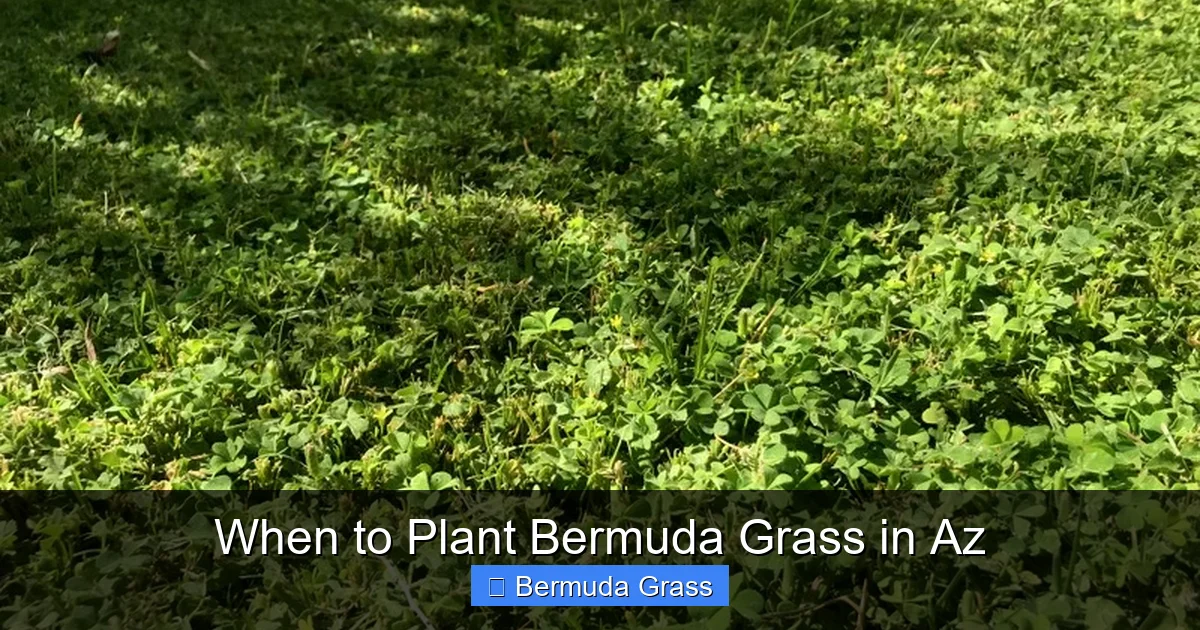
Visual guide about When to Plant Bermuda Grass in Az
Image source: azplantlady.com
When it comes to planting Bermuda grass in AZ, timing is paramount. There’s a “sweet spot” that provides the ideal conditions for robust growth and quick establishment.
The “Sweet Spot” for Bermuda Grass in AZ
The absolute best time to plant Bermuda grass in AZ, whether from seed, sprigs, or sod, is from late April through July. For many areas, particularly the low desert cities like Phoenix and Tucson, May and June are often considered the prime months. This period ensures consistently warm temperatures, long daylight hours, and the sustained heat that Bermuda grass craves for rapid germination and establishment. Even into early August, especially after the monsoon breaks, planting can still be successful if done carefully and watered diligently.
Why Soil Temperature is Paramount
You might be looking at air temperatures, thinking, “It’s warm enough!” But for Bermuda grass, it’s the soil temperature that truly matters. Seeds won’t germinate, and sprigs or sod won’t root effectively, until the soil reaches a certain warmth.
* Ideal Soil Temperature: Bermuda grass requires soil temperatures to be consistently 65-70°F (18-21°C) and rising for optimal germination and growth. If the soil is too cold, seeds will lie dormant, potentially rot, or be washed away, and sod/sprigs will struggle to root, making them vulnerable to stress and disease.
You can measure your soil temperature using a soil thermometer, which is a worthwhile investment for any serious gardener or lawn enthusiast. Stick it about 2-3 inches deep into the soil for an accurate reading. Check it consistently over a few days to ensure it’s stable.
Key Factors Influencing Your Planting Timing
While late spring to early summer is the general guideline, several factors will help you fine-tune your specific planting date for Bermuda grass in AZ.
Consistent Soil Temperatures
As mentioned, this is the number one factor. Wait until the soil temperature consistently stays above 65°F, even overnight. Fluctuations can stress new plantings. In Phoenix, this usually happens by late April. In cooler areas, it might be mid-May.
Stable Air Temperatures
Beyond soil, you want consistent air temperatures. Look for daytime highs in the 80s°F and nighttime lows not dropping below 60°F. These conditions provide the overall warmth needed for vigorous growth, promoting photosynthesis and nutrient uptake.
Your Location Within Arizona
Arizona is a geographically diverse state, and your specific location will affect your planting timeline:
* Low Desert (Phoenix, Tucson, Yuma, Mesa): These areas experience the longest and hottest summers. You can typically start planting Bermuda grass earlier (late April) and continue later into the summer (late July, even early August) compared to other regions.
* Central Highlands (Prescott, Sedona, Payson, Kingman): With higher elevations, these areas have cooler springs and falls. Your planting window will be shorter, generally from late May through July. Soil temperatures will take longer to warm up.
* High Country (Flagstaff, Williams, Show Low): These are the coolest parts of Arizona. Your window for planting Bermuda grass will be the shortest, usually from June to mid-July, as the growing season is significantly shorter. Ensure you check local weather patterns and soil temperatures diligently here.
The Monsoon Season Consideration
Arizona’s monsoon season typically runs from mid-June through September, bringing unpredictable, heavy thunderstorms. If you are planting Bermuda grass from seed, heavy downpours can wash away seeds, create puddles that drown new sprouts, or compact the soil.
* Planting Before Monsoons: Aim to get your Bermuda grass seed down and germinating *before* the heaviest monsoon activity in July and August, if possible. This gives the delicate seedlings a chance to establish roots.
* Planting During Monsoons: If you must plant during the monsoon season, consider using sod or sprigs, which are less susceptible to washing away. If using seed, watch the forecast closely and consider covering freshly seeded areas with a light layer of straw to prevent erosion. Be extra vigilant with watering, as rain can be feast or famine – heavy one day, then dry for days.
Seed vs. Sod/Sprigs: Does it Change the Timing?
While the overall ideal window remains the same, there are slight nuances based on your chosen planting method:
* Bermuda Grass Seed: Requires sustained soil warmth for germination. It’s often best to plant seed when you are confident the warm temperatures will hold for several weeks, allowing time for initial growth before any potential cool-downs. Late April to June is prime.
* Bermuda Grass Sprigs or Plugs: These establish quicker than seed as they are already growing plant material. They still need warm soil to root well.
* Bermuda Grass Sod: Sod offers the fastest establishment and can be a bit more forgiving with minor temperature fluctuations, as it’s a mature product. However, it still needs warm soil to knit into the ground quickly. Sod also requires immediate and intense watering.
When NOT to Plant Bermuda Grass in AZ
Knowing when to plant is crucial, but knowing when *not* to plant Bermuda grass in AZ is equally important. Attempting to plant outside the optimal window is often a recipe for disappointment and wasted resources.
Avoiding Fall and Winter Planting
* Why it’s a bad idea: As temperatures drop in late fall and winter in Arizona, Bermuda grass naturally goes dormant. If you plant during this time, seeds won’t germinate, and sod/sprigs won’t root properly. They will simply sit there, vulnerable to disease, pests, or being killed by colder temperatures. By the time spring arrives, your efforts will likely have been fruitless. Your new lawn will face a losing battle against established winter weeds.
The Risks of Late Summer Planting (August/September)
* Still hot, but declining light: While August in AZ is still incredibly hot, daylight hours are starting to shorten, and soil temperatures will slowly begin their descent towards fall. If you plant Bermuda grass too late in August or into September, the grass may germinate or root, but it won’t have enough time to develop a strong, deep root system before the cooler temperatures of fall and winter force it into dormancy. This makes it more susceptible to winterkill, especially for newly established lawns.
Why Early Spring is Too Soon
* Cold soil, false hope: While early spring (March, early April) might bring pleasant air temperatures, the ground is often still too cool for Bermuda grass. The soil needs time to warm up deeply and consistently. Planting too early means seeds won’t germinate, or they’ll do so very slowly and unevenly, making them vulnerable. Sod and sprigs will struggle to root in cold soil, leading to a weak start.
Essential Pre-Planting Preparations for Success
No matter when you plant, good preparation is the foundation of a successful Bermuda grass lawn in Arizona. Don’t skip these steps!
Perform a Soil Test
Before you do anything, get a soil test. This will tell you your soil’s pH level and nutrient deficiencies. Bermuda grass prefers a slightly acidic to neutral pH (6.0-7.0). Knowing your soil’s composition will guide you on necessary amendments, preventing wasted fertilizer and promoting healthier growth. Kits are available at garden stores, or you can send samples to a local university extension office.
Clear the Area: Weed Removal is Key
Weeds are the biggest enemy of a new Bermuda grass lawn. They compete for water, nutrients, and sunlight, often outcompeting delicate new grass.
* Methods: You can remove weeds manually, solarize the soil, or use a non-selective herbicide (like glyphosate) several weeks before planting. If using herbicide, follow instructions carefully and allow ample time for it to dissipate before planting.
* Prevent Re-growth: After clearing, keep the area free of new weeds until planting day.
Amend and Level the Soil
* Improve Drainage and Nutrients: Based on your soil test, incorporate necessary amendments. Arizona soils are often heavy clay or sandy. Adding organic matter (compost) improves drainage in clay and water retention in sand, while also boosting nutrient content.
* Leveling: Grade your lawn area properly to ensure good drainage and prevent standing water, which can lead to disease. Use a rake and leveler to create a smooth, even surface. This is critical for uniform germination and a beautiful final appearance.
Set Up Your Irrigation System
A reliable watering system is non-negotiable for establishing Bermuda grass in AZ, especially during the hot summer.
* Check Existing Systems: Ensure your sprinklers cover all areas evenly. Repair any broken heads.
* Install New Systems: If you’re starting from scratch, install your irrigation before planting. This ensures proper coverage and avoids disturbing newly planted seeds or sod.
* Automate: Consider a timer to ensure consistent watering, especially during critical germination and establishment phases.
Planting Methods and Their Timing Nuances
Once your soil is ready and the timing is right, you’ll need to choose your planting method.
Planting Bermuda Grass from Seed
This is the most common and cost-effective method.
* Timing: Late April through June/July is ideal.
* Process: Spread seeds evenly over your prepared soil. A broadcast spreader works well. Lightly rake them into the top 1/8 to 1/4 inch of soil. You can also lightly cover with a thin layer of peat moss or straw to help retain moisture and prevent bird foraging.
* Watering: Critical! Keep the seedbed consistently moist with light, frequent watering (2-4 times a day) until germination (usually 7-21 days) and for several weeks thereafter. Do not let the soil dry out.
Planting Bermuda Grass Sprigs or Plugs
Sprigs are stolons (runners) or rhizomes (underground stems) that are planted directly into the soil. Plugs are small pieces of established turf.
* Timing: Slightly more flexible than seed, but still best in the late April through July window.
* Process: Plant sprigs or plugs into rows or at specific intervals, ensuring some green material is exposed above ground.
* Watering: Like seeds, sprigs and plugs need consistent moisture to root out. Water frequently and deeply enough to keep the surrounding soil moist for the first few weeks.
Installing Bermuda Grass Sod
Sod offers an instant lawn and can establish faster than seeds or sprigs, but it is the most expensive option.
* Timing: Can be installed successfully from late April through early August.
* Process: Lay sod immediately upon delivery onto your prepared, moist soil. Stagger the seams like bricks and press down firmly.
* Watering: Sod requires immediate and heavy watering. Water thoroughly directly after installation, ensuring the sod and the soil beneath are soaked. Continue to water 2-3 times a day for the first 1-2 weeks, then gradually reduce frequency as the sod roots.
Critical Post-Planting Care for a Thriving Lawn
Planting is just the beginning. Proper aftercare is vital for your Bermuda grass lawn to thrive in Arizona.
Watering Schedule: The Most Important Step
This cannot be stressed enough for new Bermuda grass in AZ.
* For Seeds: Keep the seedbed constantly moist until germination and for several weeks after. This means light watering 2-4 times a day, sometimes more in extreme heat. The goal is to keep the top inch of soil damp without creating puddles.
* For Sprigs/Sod: Water deeply and frequently initially. For sod, ensure the water penetrates the sod and the soil beneath. Gradually transition to deeper, less frequent watering as the grass establishes, encouraging deep root growth.
* General Rule: Avoid letting the new grass dry out completely during its establishment phase, especially during the scorching AZ summer. As the lawn matures, you can switch to deep, infrequent watering to promote drought tolerance.
Initial Fertilization
A starter fertilizer, high in phosphorus, can be applied at planting to encourage root development. Follow product instructions carefully. Once the grass is established and actively growing (usually 4-6 weeks after planting), you can switch to a balanced lawn fertilizer designed for Bermuda grass.
Weed Management
Weeds will inevitably try to invade your newly planted Bermuda grass.
* Manual Removal: For small patches, hand-pulling is the safest option for new grass.
* Pre-Emergent: Do NOT apply a pre-emergent herbicide when planting seeds, as it will prevent germination. You can apply a pre-emergent later, usually once the grass has been mowed a few times and is well established.
* Post-Emergent: Be very careful with post-emergent herbicides on new grass. Many are not safe for seedlings. Read labels carefully or wait until your Bermuda grass is mature.
First Mowing
Wait until your new Bermuda grass is about 2 inches tall before its first mow. Use a sharp blade and set your mower to a high setting (around 1.5-2 inches). Never remove more than one-third of the blade height in a single mowing. Regular mowing will encourage the grass to spread and thicken.
Troubleshooting Common Bermuda Grass Planting Issues
Even with the best intentions, you might encounter some bumps in the road. Here are a few common issues and how to address them.
Poor or Uneven Germination
* Cause: Inconsistent watering (soil dried out), soil too cold, seeds planted too deep, poor seed quality.
* Solution: Re-evaluate your watering schedule; ensure consistent moisture. Check soil temperature. If the soil was too cold, you might need to reseed when conditions improve. Ensure seeds were lightly raked in, not buried.
Persistent Weed Competition
* Cause: Inadequate site preparation, dormant weed seeds germinating alongside grass.
* Solution: Hand-pull weeds diligently. For large areas, consider carefully spot-treating with a weed killer safe for new Bermuda grass (read labels!) or waiting until the grass is mature to apply a broader herbicide. The best defense is a thick, healthy lawn that outcompetes weeds.
Yellowing or Stunted Growth
* Cause: Overwatering (leading to root rot), underwatering (stress), nutrient deficiency, soil compaction, pest or disease issues.
* Solution: Check your watering; adjust frequency based on soil moisture. Ensure good drainage. A soil test can identify nutrient gaps. If conditions persist, inspect for pests or signs of disease and treat accordingly. Aeration can help with soil compaction.
Conclusion: Timing is Everything for Your AZ Bermuda Lawn
Planting Bermuda grass in AZ is a rewarding endeavor that culminates in a vibrant, durable lawn perfectly suited for Arizona’s climate. The single most critical factor for your success is timing. By understanding the specific needs of Bermuda grass for warmth and light, and by aligning your planting efforts with Arizona’s distinct spring and early summer seasons, you set your lawn up for the best possible start.
Remember, the ideal window for planting Bermuda grass in AZ is generally from late April through July, when soil temperatures are consistently above 65-70°F. Thorough soil preparation, careful planting, and diligent post-planting care, especially consistent watering during establishment, will transform your barren patch into a lush, green oasis. Embrace the heat, respect the soil, and your Bermuda grass will flourish, providing you with a beautiful, resilient lawn for years to come.