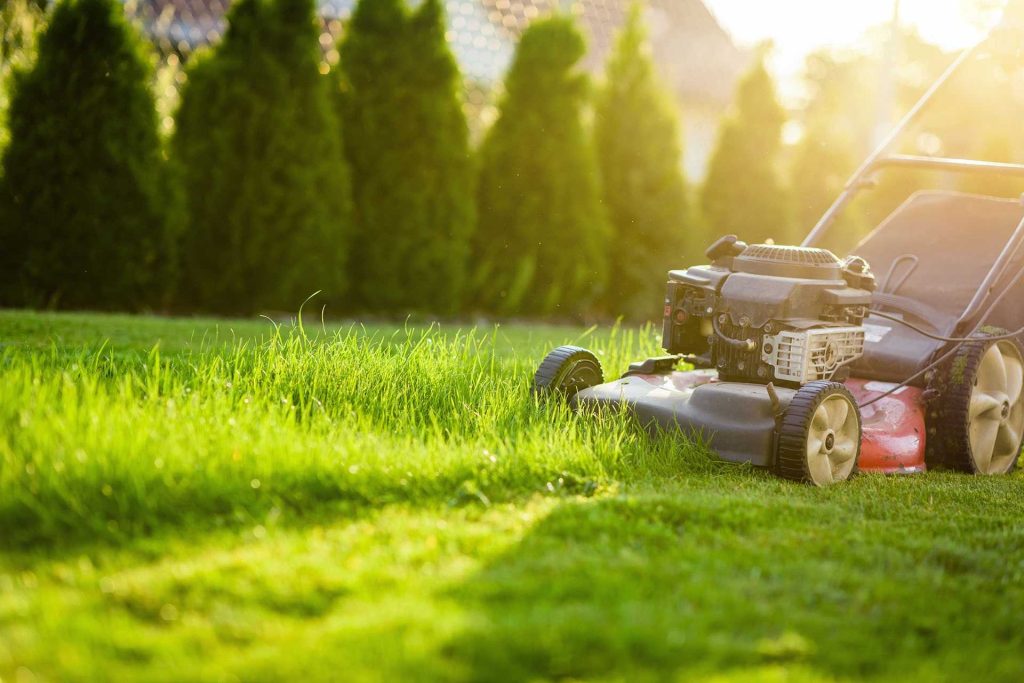
The best time to mow your yard this spring is when your grass reaches about three inches in height. This typically happens when temperatures consistently stay above 50°F, signaling that your lawn is coming out of dormancy. Mowing too early can stress the grass and lead to poor growth, so it’s essential to wait until it’s actively growing. Keep an eye on the weather and the grass growth; as a general rule, aim to mow once a week during the peak growing season. By following these simple guidelines, you’ll help ensure a lush, healthy lawn throughout the spring months. Happy mowing!

When To Mow Your Yard This Spring
Mowing your yard in spring is more than just cutting grass. It’s about timing, technique, and understanding your lawn’s unique needs. Knowing **when to mow your yard this spring** helps keep your lawn healthy and beautiful all season long.
Understanding Grass Growth in Spring
As temperatures begin to rise in spring, grass starts to grow more actively. The specific timing can vary based on your location and grass type. Most cool-season grasses begin growing when temperatures reach around 50°F to 65°F.
– **Cool-season grasses** include Kentucky bluegrass and fescue. They thrive when temperatures are cooler.
– **Warm-season grasses** like Bermuda grass and Zoysia begin growing when temperatures are in the range of 70°F to 80°F.
Keep an eye on the temperature and grass growth patterns to determine the best mowing time.
Signs It’s Time to Mow
There are a few key indicators that it’s time to grab your mower.
– **Height of the Grass:** Grass typically should be cut when it reaches about 3 to 4 inches tall. Cutting it too short can stress the lawn.
– **Color Change:** If your grass looks a bit yellow or dull, it may be time to mow. Freshly cut grass will look vibrant and healthy.
– **Weed Growth:** If you notice weeds sprouting up, mowing can help manage them, but be sure to use the right techniques for effective control.
Benefits of Regular Mowing
Mowing your lawn regularly comes with several benefits.
– **Promotes Healthy Growth:** Frequent mowing encourages grass to grow thicker.
– **Prevents Weeds:** Keeping the grass well-trimmed makes it harder for weeds to take root.
– **Enhances Appearance:** A well-mowed lawn looks neat and well-maintained, enhancing the overall curb appeal of your home.
Best Practices for Mowing Your Yard
Knowing how to mow properly can significantly impact the health of your lawn. Follow these best practices:
– **Use a Sharp Blade:** Always ensure your mower blades are sharp. Dull blades can tear grass and lead to disease.
– **Mow at the Right Height:** Different grass types require different cutting heights. Research the appropriate height for your grass type.
– **Change Your Mowing Pattern:** Changing your mowing pattern helps prevent soil compaction and creates a more even lawn.
Mowing Schedule
Creating a mowing schedule can help keep your lawn looking pristine.
– **Weekly Mowing:** For most homeowners, mowing weekly during the peak growing season is ideal.
– **Every Other Week:** In cooler regions or during dry spells, every other week might be sufficient.
Adjusting Mowing Techniques Based on Weather
Spring weather can be unpredictable. Adjust your mowing habits based on conditions:
– **After Rain:** Avoid mowing wet grass, as it can lead to clumping and uneven cuts.
– **During Drought:** If it’s particularly dry, raise your mower height to allow grass to retain moisture.
Using Grass Clippings Wisely
Instead of bagging your clippings, consider using them to your advantage.
– **Natural Fertilizer:** Leave the clippings on the lawn to decompose and provide essential nutrients.
– **Composting:** Use collected clippings in your compost pile to enrich the soil.
Understanding Your Lawn Type
Different lawns will have different needs. Identifying your grass type is vital for tailored care.
– **Kentucky Bluegrass:** Thrives in cooler temperatures; mow in early spring.
– **Bermuda Grass:** Ideal for warmer regions; start mowing later in the spring.
Tools and Equipment for Successful Mowing
Having the right tools makes mowing easier and more effective.
– **Lawn Mower:** Choose between push and riding mowers based on lawn size.
– **Trimmers:** Use trimmers for edges and hard-to-reach areas for a clean look.
– **Safety Gear:** Always wear safety glasses and sturdy shoes while mowing.
Maintaining Your Equipment
Regular maintenance ensures your equipment works effectively.
– **Clean Your Mower:** After each use, clean off grass clippings and debris.
– **Check the Oil:** Keep an eye on the oil levels and change the oil regularly.
– **Sharpen Blades:** Aim to sharpen your mower blades at least once a season.
Common Mowing Mistakes to Avoid
Avoid these common pitfalls to ensure a thriving lawn:
– **Cutting Too Short:** Never cut more than one-third of the grass blade at once.
– **Mowing Too Often:** While frequent mowing is beneficial, cutting too often can inhibit growth.
– **Ignoring the Weather:** Mowing during the wrong weather conditions can damage your lawn.
Seasonal Considerations
Different spring months may require slight adjustments in your mowing schedule.
– **March to April:** Early growth starts; begin mowing at the end of March if the grass reaches the right height.
– **May:** As growth accelerates, increase mowing frequency to weekly.
Dealing with Lawn Pests
Spring is also a time when pests become active.
– **Identifying Pests:** Regularly check for signs of pests or disease on your lawn.
– **Treatment Options:** Consult with a local garden center for effective treatment methods.
Environmental Considerations
Caring for your lawn also means considering the environment.
– **Use Organic Solutions:** Opt for organic fertilizers and pest control methods to protect local wildlife.
– **Water Wisely:** Water your lawn in the early morning to minimize evaporation.
Seasonal Lawn Care Beyond Mowing
Mowing is just one aspect of spring lawn care.
– **Aeration:** Aerate your lawn once a season to promote healthy soil and root growth.
– **Fertilization:** Apply a slow-release fertilizer in early spring for sustained growth.
Community Resources and Support
Don’t hesitate to reach out to your community for support.
– **Local Gardening Clubs:** Join local gardening groups for tips and advice tailored to your area.
– **Extension Services:** Many areas have extension services that provide valuable resources for lawn care.
Achieving a beautiful lawn in spring requires attention and care. Knowing **when to mow your yard this spring** is crucial for promoting health and vibrancy in your grass. Following the guidelines outlined can lead to a lush and welcoming outdoor space.
When To Mow, Water, And Fertilize In Early Spring
Frequently Asked Questions
“`html
What factors should I consider before mowing my lawn in spring?
Before mowing your lawn in spring, consider the weather conditions, grass type, and the health of your lawn. Ensure the grass has reached a height of about 3 to 4 inches before mowing, as this allows the roots to establish themselves. Additionally, observe whether the soil is dry enough to support the weight of a mower; mowing on wet soil can damage the grass and create ruts in your yard.
How can I determine the right mowing height for my grass type?
The ideal mowing height varies depending on the type of grass in your yard. For example, Kentucky bluegrass thrives when mowed at a height of 2.5 to 3.5 inches, while Bermuda grass does well when kept at about 1 to 2 inches. Research the specific variety of grass in your lawn and stick to the recommended height to promote healthy growth and reduce stress on the plants.
How often should I mow my yard in spring?
During spring, you may need to mow your yard every 1 to 2 weeks, depending on growth rates influenced by rainfall and temperature. As the weather warms up and the grass grows more quickly, adjust your mowing schedule accordingly. Regular mowing helps maintain an even appearance and encourages dense growth, while allowing you to manage any weed issues that arise.
What time of day is best for mowing my lawn?
The best time to mow your lawn is in the late afternoon or early evening when temperatures are cooler and the grass has dried from morning dew. Avoid mowing during the hottest part of the day, as this can put stress on your grass and result in a poor cut. Mowing in the evening also allows the grass to recover overnight, promoting healthy regrowth.
Should I collect clippings or leave them on the lawn?
Leaving grass clippings on your lawn after mowing can benefit your yard by returning nutrients to the soil. This practice, known as grasscycling, helps reduce the need for additional fertilizers and retains moisture in the soil. However, if the clippings are too long or excessive, it’s better to collect them to prevent smothering the grass and causing disease.
“`
Final Thoughts
To maintain a healthy yard this spring, timing your mowing is essential. Generally, wait until the grass grows to about three inches before cutting. This practice encourages strong roots and prevents stress on the lawn.
Additionally, regular mowing every week or two helps keep your yard neat and promotes even growth. Remember to adjust your mowing frequency based on weather conditions and grass type.
Ultimately, the key to a thriving lawn lies in knowing ‘When To Mow Your Yard This Spring’ and adhering to a consistent schedule. Happy mowing!