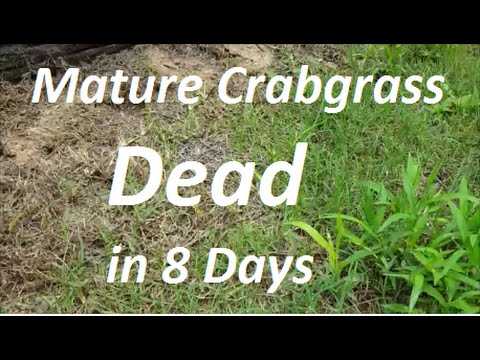
Quick Answer: The best time to apply post emergent crabgrass killer is when the crabgrass is actively growing, usually in late spring or early summer.
Introduction:
Hey there! Are you tired of battling those irritating crabgrass patches in your lawn? Well, you’re in the right place because today we’re talking about when to apply post emergent crabgrass killer. We all know that crabgrass can be a nightmare to deal with, and it’s essential to take action before it takes over your beautiful green turf.
So, let’s get straight to the point. The short answer is that you should apply post emergent crabgrass killer when the crabgrass is actively growing. Typically, this is during late spring or early summer when the temperatures warm up, and your grass is flourishing.
But before we dive into the details, let’s understand what post emergent crabgrass killer is and why it’s crucial to use it at the right time.

When to Apply Post Emergent Crabgrass Killer
Crabgrass is a nuisance that can quickly take over your lawn if not properly controlled. It is a fast-growing weed that can spread rapidly, choking out desirable grasses and spoiling the look of your yard. To effectively eliminate crabgrass, you need to apply post emergent crabgrass killer at the right time. This article will guide you through the process of determining when to apply post emergent crabgrass killer for maximum effectiveness and a weed-free lawn.
Understanding Crabgrass Growth and Life Cycle
Before diving into the best timing for applying post emergent crabgrass killer, it’s crucial to understand the growth and life cycle of crabgrass. This knowledge will help you plan your weed control strategy more effectively.
– Crabgrass typically germinates in early spring when soil temperatures reach around 55 to 60 degrees Fahrenheit (12 to 15 degrees Celsius). However, the exact timing can vary depending on your location and regional climate.
– Once crabgrass seeds germinate, they quickly grow and develop into mature plants, spreading both through seed production and by producing tillers or side shoots.
– Crabgrass plants produce an abundance of seeds during the summer months, ensuring their survival in subsequent years.
Factors to Consider
Several factors come into play when determining the best time to apply post emergent crabgrass killer. These factors include:
Soil Temperature: Soil temperature is a crucial factor as it directly affects crabgrass germination. By monitoring soil temperatures, you can better predict when the weed will start to grow.
Weather Conditions: Rain, temperature fluctuations, and humidity levels can impact the effectiveness of post emergent crabgrass killers. It’s important to consider weather conditions when planning your application.
Lawn Health: The overall health and condition of your lawn can also influence the timing for using post emergent crabgrass killer. Weeds tend to thrive in weak and thin lawns, so it’s crucial to focus on improving the health of your turf before applying any herbicides.
Local Climate: Different regions experience varying climates, which can affect the timing for crabgrass treatment. It’s essential to consider your specific climate conditions to determine the optimal timing for applying post emergent crabgrass killer.
Best Time to Apply Post Emergent Crabgrass Killer
To achieve the best results when using post emergent crabgrass killer, there are a few recommended approaches based on the timing of crabgrass growth:
Early Spring Application
Early spring is a critical time to prevent crabgrass from taking hold in your lawn. By applying pre-emergent herbicides before germination, you can create a barrier that inhibits crabgrass seedlings from growing. However, if you miss the window for applying pre-emergent products, a post emergent crabgrass killer can still be effective.
Post Germination Application
If you miss the opportunity for pre-emergent crabgrass control, you can still use post emergent herbicides to tackle existing crabgrass plants. The best time for this application is when the crabgrass is at the early stages of growth, typically referred to as the “3-leaf stage.” At this point, the crabgrass is more susceptible to herbicides, and you can effectively kill the weed without harming desirable grasses.
Summer Application
During the summer months, crabgrass is actively growing and producing seeds. Applying a post emergent crabgrass killer during this period can help prevent seed production and inhibit the spread of the weed. However, it’s important to consider the weather conditions, as extreme heat and drought may affect the effectiveness of herbicides.
Additional Tips for Successful Application
To ensure successful results and minimize damage to your lawn, consider the following tips:
– Read and follow the instructions on the crabgrass killer product label carefully. Different products may have specific application guidelines that you need to adhere to for optimal results.
– Ideally, apply crabgrass killer when there is no rain in the forecast for at least 24 to 48 hours. Rain can wash away the herbicide before it has a chance to take effect.
– Avoid mowing your lawn for a few days before and after applying the post emergent crabgrass killer. This allows the herbicide to stick to the leaves and penetrate the weed more effectively.
– Do not apply herbicides on windy days to prevent accidental drift onto desirable plants.
– Consider spot-treating if you have a minor crabgrass problem rather than applying herbicides to your entire lawn. Spot treatments can help minimize the impact on your desirable grasses.
– Regularly monitor your lawn after applying post emergent crabgrass killer to ensure the treatment is effective. If necessary, follow up with additional applications as directed by the product label.
Successfully eliminating crabgrass requires careful timing and the proper application of post emergent crabgrass killer. By understanding the growth and life cycle of crabgrass, considering various factors, and following the recommended timing guidelines, you can effectively control this pesky weed and maintain a lush, weed-free lawn. Remember to always follow the instructions on the product label and take necessary precautions to protect your desirable grasses during the weed control process.
When to apply Pre-Emergent & Post-Emergent
Frequently Asked Questions
When is the best time to apply post emergent crabgrass killer?
The ideal time to apply post emergent crabgrass killer is in the late spring or early summer when the crabgrass has sprouted and is actively growing.
How do I know if it is the right time to apply post emergent crabgrass killer?
Look for the presence of crabgrass in your lawn. If you notice patches of crabgrass or individual crabgrass plants, it is a good indication that it is time to apply post emergent crabgrass killer.
Can I apply post emergent crabgrass killer in the fall?
While it is best to apply post emergent crabgrass killer in the spring or early summer, you can also apply it in the fall if you have missed the ideal window. However, keep in mind that fall applications may not be as effective in controlling crabgrass.
What weather conditions are suitable for applying post emergent crabgrass killer?
It is important to apply post emergent crabgrass killer on a sunny day with little to no wind. Avoid applying it if rain is expected within 24-48 hours as it may wash away the product before it has a chance to work.
Should I mow my lawn before applying post emergent crabgrass killer?
It is recommended to mow your lawn a few days before applying post emergent crabgrass killer. This will help reduce the height of the grass and ensure better contact between the product and the crabgrass.
Is it necessary to water my lawn after applying post emergent crabgrass killer?
Watering your lawn after applying post emergent crabgrass killer is usually not necessary. However, if you have used a liquid product, it may be beneficial to lightly water the treated areas to help the product penetrate the soil.
Final Thoughts
Knowing when to apply post emergent crabgrass killer is crucial for effectively eradicating this pesky weed. The ideal time to use the crabgrass killer is when the weed is actively growing and has emerged from the soil. This typically occurs in the late spring or early summer when soil temperatures reach around 55-60 degrees Fahrenheit. Applying the killer during this period ensures maximum absorption by the crabgrass and minimizes harm to desirable grasses. Remember to carefully follow the product instructions for application rates and safety precautions. Proper timing and application of post emergent crabgrass killer are key to achieving a weed-free lawn.