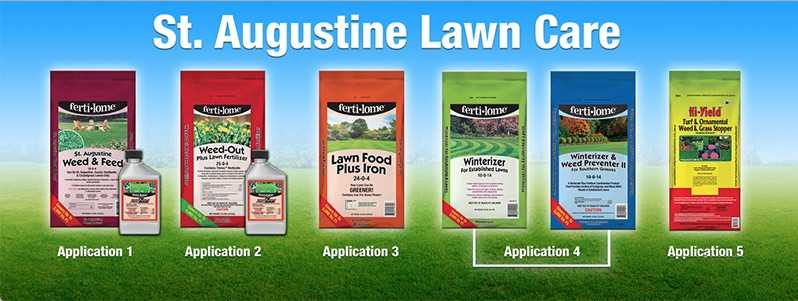
The best time to apply nitrogen to St. Augustine grass is during the growing season, typically in late spring and early summer, when the grass is actively growing. Applying nitrogen at the right time ensures lush, green growth and a healthy lawn, preventing issues like patchiness or slow recovery from drought.
In short, apply nitrogen when your St. Augustine grass is actively growing, mainly from late spring through summer, and avoid fertilizing during its dormant period in fall and winter. Proper timing maximizes the benefits of fertilization, resulting in a vibrant, healthy lawn.
Getting your St. Augustine grass to look its best starts with knowing exactly when to give it the nutrients it craves. This grass type thrives with regular, well-timed nitrogen applications during its peak growing months. Applying fertilizer too early or too late can hinder growth or promote unwanted weeds. It’s essential to observe your lawn’s growth patterns and be mindful of the seasons to synchronize your fertilization schedule. With the right timing, you’ll see a lush, dense, and vibrant lawn that enhances your outdoor space and keeps your grass resilient against stressors.

When to Apply Nitrogen to St Augustine Grass
Understanding the Importance of Nitrogen for St Augustine Grass
Nitrogen is a vital nutrient for healthy grass growth. It helps St Augustine grass produce lush, green foliage and encourages rapid recovery from damage. Proper nitrogen application can result in a thicker, more vibrant lawn that resists weeds and pests.
Signs That Your Lawn Needs More Nitrogen
Your St Augustine grass may show signs of nitrogen deficiency if it appears dull, yellowish, or sparse. Additionally, slow growth and poor recovery after foot traffic or drought are common indicators. Recognizing these signs early helps you decide when to fertilize.
Ideal Time Frames for Applying Nitrogen to St Augustine Grass
Timing is key to maximizing the benefits of nitrogen. The best periods to fertilize are during active growth phases, typically in late spring and summer. Applying fertilizer during cooler months usually does not promote growth and can lead to issues like disease.
Spring Applications
Apply nitrogen in late spring when the grass begins to green up after dormancy. This boosts growth and prepares the lawn for the summer ahead. Wait until the soil temperature consistently reaches about 70°F (21°C), which usually occurs around April or May depending on your location.
Summer Applications
A second application during early summer sustains lush growth. It’s important to avoid over-fertilizing in high heat, as this can stress the grass. Use a balanced fertilizer and follow recommended application rates.
Fall Applications
In most climates, applying a light dose of nitrogen in early fall can help the grass recover from summer stress and prepare for winter. However, avoid late fall applications that could promote unwanted growth leading into winter dormancy.
Environmental Factors Influencing Nitrogen Application Timing
Weather plays a significant role in deciding when to fertilize. Heavy rain can wash away nutrients, so avoid applying before storms. Similarly, applying during droughts may encourage disease as the grass is weakened.
Soil Temperature and Moisture
Monitor soil temperature and moisture levels before applying nitrogen. Ideal conditions involve moist soil slightly above 70°F (21°C), which supports nutrient absorption and minimizes runoff.
Grass Growth Stage and Health
Apply nitrogen when your grass is actively growing and healthy. If the lawn appears stressed or dormant, it’s better to wait until conditions improve to prevent further damage.
Frequency and Quantity of Nitrogen Applications
Applying fertilizer too often or in excessive amounts can harm your lawn. For St Augustine, a good rule of thumb is to fertilize every six to eight weeks during the growing season.
Recommended Fertilizer Rates
Typically, apply around 1 pound of nitrogen per 1000 square feet each time. Always check the fertilizer label for specific instructions and avoid exceeding the suggested rates.
Number of Applications per Year
In warm climates, you can plan for three to five applications annually. Focus on spring, early summer, and late summer, adjusting based on your lawn’s condition and local weather.
Choosing the Right Fertilizer for Your St Augustine Grass
Opt for fertilizers formulated specifically for warm-season grasses. Look for a balanced mix with nitrogen, phosphorus, and potassium. Slow-release formulas provide a steady supply of nutrients and reduce risk of runoff.
Organic vs Synthetic Fertilizers
Organic options like composted manure or fish emulsion release nutrients slowly, promoting healthy soil. Synthetic fertilizers provide quick results but should be used carefully to avoid overfeeding.
Key Nutrient Ratios to Consider
Select fertilizers with an nitrogen to phosphorus to potassium ratio such as 3:1:2 or 4:1:2. This supports healthy root development and vigorous foliage growth.
Proper Application Techniques for Nitrogen
Uniform distribution is essential for consistent lawn health. Use a broadcast spreader or drop spreader to evenly disperse the fertilizer across your yard.
Pre-application Preparations
Mow your lawn to a height of about 3 inches before fertilizing. Water the lawn lightly beforehand to help the soil absorb nutrients quickly.
Post-application Care
Water the lawn thoroughly after fertilizing to aid nutrient uptake. Avoid mowing for at least 24 hours post-application to prevent debris from disturbing the fertilizer.
Common Mistakes to Avoid When Applying Nitrogen
Over-fertilizing can cause disease, thatch buildup, and environmental pollution. Under-fertilizing results in weak grass that is prone to weeds and pests.
Applying During Wrong Conditions
Never fertilize during drought or before heavy rain. This can lead to runoff, pollution, and inefficient nutrient uptake.
Not Reading the Label
Always follow the manufacturer’s instructions for application rates and timing. Using too much fertilizer can damage the lawn and the surrounding environment.
Additional Tips for Healthy, Green St Augustine Grass
Consistent watering, proper mowing, and aeration complement nitrogen fertilization. Maintaining soil pH around 6.0 to 7.0 optimizes nutrient absorption.
Soil Testing
Conduct soil tests annually to identify nutrient deficiencies and pH imbalances. Use this data to tailor your fertilization schedule effectively.
Preventing Over-Fertilization
Stick to recommended rates and avoid late-season applications. Too much nitrogen can cause excessive thatch, disease, and weak root systems.
Related Topics to Consider
Explore topics like irrigation techniques, pest management, and lawn aeration. These practices support the health of your grass when combined with proper fertilization.
By understanding when and how to apply nitrogen to St Augustine grass, you ensure a thriving, vibrant lawn all season long. Adapting your fertilization schedule to local conditions and lawn needs will lead to better results and a more beautiful yard.
The Best Fertilizer For St Augustine Grass | When To Fertilize Your Lawn
Frequently Asked Questions
What season is best for applying nitrogen to St. Augustine grass?
The optimal time to apply nitrogen to St. Augustine grass is during the active growing season, typically from late spring through late summer. Applying fertilizer during this period encourages healthy growth, lush green color, and helps the grass recover from stress caused by heat or drought. Avoid applying nitrogen in late fall or winter, as the grass enters dormancy and is less capable of utilizing the nutrients effectively.
How can I tell when my St. Augustine grass needs nitrogen?
You can evaluate whether your St. Augustine grass needs additional nitrogen by observing its color and growth. Pale, yellowish patches often indicate nitrogen deficiency, while sparse or slow growth suggests the same. If you notice these signs, it’s best to apply a balanced fertilizer to promote vibrant, healthy turf. Regular lawn assessments help ensure you provide nutrients at the right time to maintain optimal health.
Are there specific signs that indicate I should delay nitrogen application?
Yes, avoid applying nitrogen immediately after heavy rain or drought stress. Excess moisture can cause nutrients to wash away before the grass absorbs them, and drought-stressed grass may not benefit from fertilization. Also, steer clear of fertilizing during extreme heat waves, as the grass can become stressed, and improper timing may lead to fertilizer burn or uneven growth. Waiting for ideal conditions ensures your lawn absorbs nutrients effectively.
How does soil temperature influence the timing of nitrogen application?
Soil temperature plays a significant role in how well your grass absorbs nitrogen. Apply fertilizer when soil temperatures are consistently between 70°F and 85°F, typically in late spring or early summer. Cooler temperatures slow down grass growth and nutrient uptake, while very high temperatures can increase stress. Timing fertilization with appropriate soil conditions helps maximize nutrient uptake and promotes healthy lawn development.
Should I adjust nitrogen application based on lawn usage or stress levels?
Yes, if your lawn experiences heavy foot traffic or shows signs of stress from drought or pests, adjust your fertilization schedule accordingly. Providing additional nitrogen during recovery periods can help the grass bounce back faster. However, avoid over-fertilizing, which can further stress the turf. Monitoring your lawn’s condition allows you to tailor nitrogen applications to promote resilience and sustained health.
Final Thoughts
Applying nitrogen to St. Augustine grass at the right time ensures healthy growth and vibrant color. Typically, apply fertilizer in late spring and summer when the grass actively grows. Avoid fertilizing during dormancy or extreme heat to prevent damage.
Knowing when to apply nitrogen to St. Augustine grass helps maintain a lush and healthy lawn. Follow regional guidelines and observe your grass’s growth stages for best results. Proper timing promotes strong roots and prevents nutrient runoff, leading to a beautiful yard all season long.