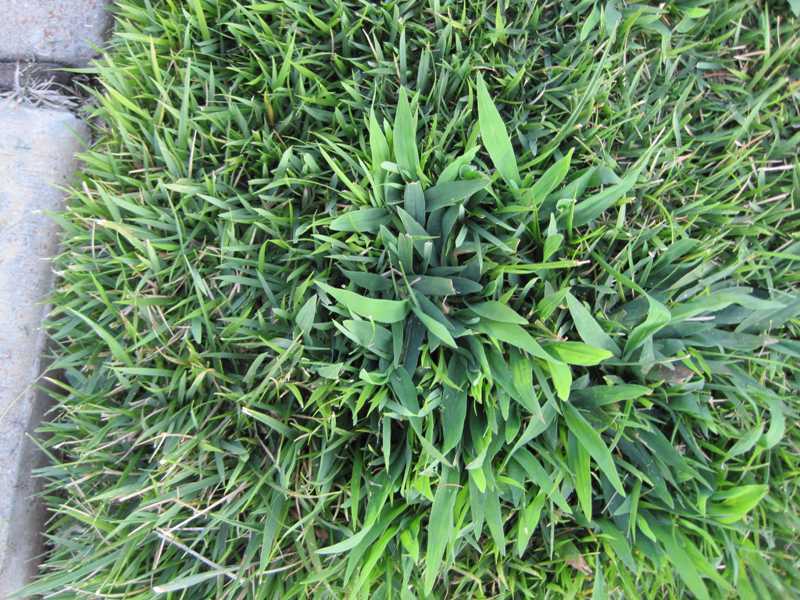
Quick Answer: The best time to apply crabgrass preventer in Missouri is in the early spring, before crabgrass begins to germinate. This will help to effectively stop the growth of crabgrass and maintain a healthy lawn throughout the summer months.
Introduction: Hey there, fellow lawn enthusiasts in Missouri! Are you tired of battling stubborn crabgrass every summer? Well, fret no more because today we’re going to tackle the age-old question: when is the perfect time to apply crabgrass preventer in our lovely state? If you’re looking for a short, simple answer, then here it is: early spring is the golden moment to get ahead of those unwanted invaders. By applying crabgrass preventer before the crabgrass seeds start sprouting, you’ll be able to nip the problem in the bud and enjoy a lush, weed-free lawn throughout the summer. So, let’s dive right in to explore the ins and outs of timing your crabgrass preventer application for maximum effect.

When to Apply Crabgrass Preventer in Missouri
Understanding Crabgrass
Crabgrass is a common weed that plagues lawns and gardens in Missouri. It is an annual weed that germinates from seed each year and spreads rapidly throughout the summer months. Crabgrass is known for its ability to quickly invade and overtake areas of thin or bare grass, leading to unsightly patches in an otherwise healthy lawn. To prevent crabgrass from taking hold, it is crucial to apply a crabgrass preventer at the right time.
The Importance of Timing
Timing is key when it comes to applying a crabgrass preventer. Applying it too early or too late can significantly reduce its effectiveness. The goal is to apply the preventer before the crabgrass seeds germinate, forming a barrier that stops them from sprouting.
Soil Temperature
Soil temperature plays a vital role in determining the ideal time to apply crabgrass preventer. As a general rule of thumb, crabgrass seeds start germinating when soil temperatures reach around 55 to 60 degrees Fahrenheit. In Missouri, this typically occurs in early to mid-spring, depending on the specific region and weather patterns.
Timing Based on Phenological Events
Phenological events, such as the blooming of certain plants or the emergence of specific insect species, can also serve as indicators of when to apply crabgrass preventer. Observing these events can help you determine the right time to start your preventative measures.
- Early Spring: Keep an eye out for the blooming of forsythia or the emergence of dandelions. These events indicate that soil temperatures are rising, and it’s time to consider applying a crabgrass preventer.
- Soil Preparation: If you’re planning on overseeding your lawn in the spring, it’s best to delay applying the crabgrass preventer until after the new grass has had a chance to establish. This usually occurs around mid-spring in Missouri.
- Last Frost Date: Consider the average date of the last frost in your area. Applying the crabgrass preventer a week or two after the last frost can help ensure optimal timing.
- Weed Growth: Keep an eye on the weed growth in your lawn. If you start to notice crabgrass or other annual weeds emerging, it’s time to apply the preventer.
Choosing the Right Crabgrass Preventer
There are different types of crabgrass preventers available, and selecting the right one for your lawn’s needs is essential. Here are a few options to consider:
Pre-Emergent Herbicides
Pre-emergent herbicides are the most common crabgrass preventers. They work by forming a barrier in the soil that stops the crabgrass seeds from germinating. Make sure to select a product specifically labeled for crabgrass prevention, as some pre-emergent herbicides target other weeds or grasses.
Granular vs. Liquid Formulations
Crabgrass preventers come in both granular and liquid forms. Granular formulations are spread evenly over the lawn using a spreader, while liquid formulations are applied with a sprayer. Both options are effective, so choose the one that is most convenient for you.
Choosing the Right Brand and Quality
Not all crabgrass preventers are created equal. When selecting a product, opt for a reputable brand known for its quality. Reading customer reviews and consulting with local gardening experts can help you choose the best crabgrass preventer for your needs.
Application Tips
Applying crabgrass preventer correctly is crucial to its efficacy. Consider the following tips for a successful application:
- Mow Your Lawn: It’s best to mow your lawn a few days before applying the crabgrass preventer. This helps ensure the product reaches the soil more effectively.
- Follow Product Instructions: Read and follow the instructions provided by the manufacturer carefully. This includes the recommended application rate and any safety precautions.
- Watering: After applying the crabgrass preventer, water your lawn lightly. This helps activate the product and ensures it penetrates the soil properly.
- Avoid Overseeding: If you plan on overseeding your lawn, make sure to use a crabgrass preventer that won’t hinder the germination of the new grass.
Applying crabgrass preventer at the right time is essential to effectively combat this invasive weed in Missouri. By understanding the role of soil temperature and observing phenological events, you can determine the optimal timing for application. Choosing the right type of crabgrass preventer and following proper application techniques will help safeguard your lawn and garden from this persistent weed. With careful planning and management, you can enjoy a lush and crabgrass-free lawn throughout the summer months.
Stay weed free with this simple pre-emergent schedule.
Frequently Asked Questions
When is the best time to apply crabgrass preventer in Missouri?
It is recommended to apply crabgrass preventer in Missouri during early spring, before crabgrass seeds germinate. Typically, this occurs when soil temperatures consistently reach 50 to 55 degrees Fahrenheit.
Can I apply crabgrass preventer too early in Missouri?
Yes, applying crabgrass preventer too early in Missouri may reduce its effectiveness. If it is applied before the soil reaches the recommended temperature range, the preventer may break down before crabgrass seeds begin germination.
Is there a specific date to apply crabgrass preventer in Missouri?
There is no specific date to follow when applying crabgrass preventer in Missouri. Instead, it is crucial to monitor soil temperatures and apply the product when the recommended temperature range is consistently reached.
Should I apply crabgrass preventer more than once in Missouri?
Applying crabgrass preventer twice in Missouri is usually not necessary. A single application during the recommended time period should provide sufficient protection throughout the crabgrass germination period.
Can I apply crabgrass preventer after the recommended period in Missouri?
While it is still possible to apply crabgrass preventer after the recommended period in Missouri, its effectiveness may be reduced. It is best to adhere to the recommended time frame to ensure optimal results.
Final Thoughts
When to apply crabgrass preventer in Missouri is a common concern for homeowners looking to maintain a healthy lawn. Timing is key, as applying the preventer too early or too late can be ineffective. In Missouri, it is best to apply crabgrass preventer in early spring, around February or March, when the soil temperature reaches approximately 50 degrees Fahrenheit. This ensures that the preventer is in place before the crabgrass seeds germinate. By following this timing guideline, you can effectively control crabgrass and enjoy a lush and weed-free lawn throughout the year.