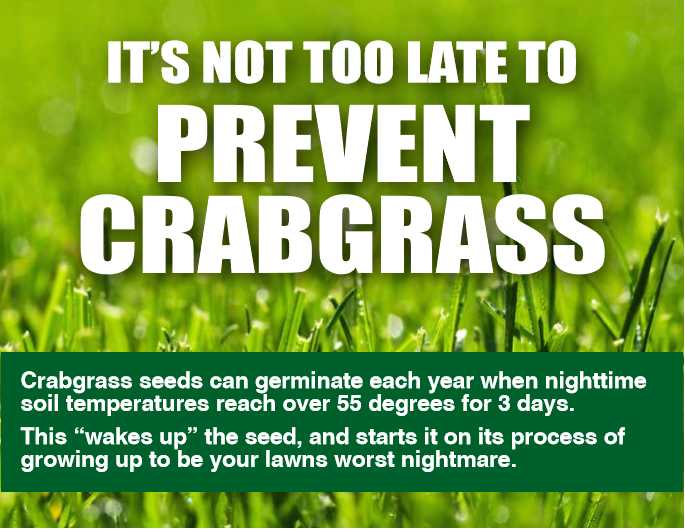
Quick Answer: The best time to apply crabgrass pre-emergent is in early spring before the soil temperature reaches 55 degrees Fahrenheit. This helps to prevent the germination of crabgrass seeds and keep your lawn looking healthy and weed-free.
Introduction: Hey there lawn enthusiasts! Are you tired of battling those pesky crabgrass weeds that ruin the beauty of your lush green lawns? Well, fret no more because we’ve got the answer to your query on when to apply crabgrass pre-emergent. In this article, we will dive into the nitty-gritty details and guide you on the perfect timing to ensure a crabgrass-free lawn. So, grab a cuppa, sit back, and get ready to learn how to stay one step ahead of this stubborn weed. Remember, prevention is key, and by applying crabgrass pre-emergent at the right time, you’ll be able to keep your lawn crabgrass-free and have your neighbors green with envy. Let’s dig in!

When to Apply Crabgrass Pre Emergent
Understanding Crabgrass and Pre Emergent
Crabgrass is a common and invasive weed that can quickly take over your lawn if left unchecked. Its fast-growing nature and ability to produce thousands of seeds make it a persistent nuisance for homeowners. To effectively tackle crabgrass, one essential step is to apply a pre emergent herbicide.
Pre emergent herbicides are designed to inhibit weed growth by creating a barrier on the soil surface. This barrier prevents the germination of weed seeds, including those of crabgrass. By timing the application correctly, you can maximize the effectiveness of the herbicide and reduce the chances of crabgrass infestation.
The Importance of Timing
Timing is crucial when it comes to applying crabgrass pre emergent. To get the best results, it is essential to understand the life cycle of crabgrass and target it during its vulnerable stage.
Crabgrass typically germinates when soil temperatures reach around 55 to 60 degrees Fahrenheit (13 to 15 degrees Celsius). In many regions, this corresponds to early spring, usually a few weeks before the last frost. By applying pre emergent herbicide at the right time, you can prevent the crabgrass seeds from sprouting and establish control before they become a problem.
Factors to Consider
Several factors influence the optimal timing for applying crabgrass pre emergent. It’s important to take these into account to ensure the product’s effectiveness:
- Geographical Location: Each region has its specific climate and crabgrass growing season. Understanding your area’s average soil temperature and local recommendations can help you determine the right time to apply pre emergent herbicide.
- Soil Temperature: Monitoring soil temperature is crucial for precise timing. Soil thermometers are readily available and can provide accurate readings to guide your application strategy.
- Target Weed Seeds: Different weed seeds have varying germination periods. Knowing when the majority of crabgrass seeds in your area are likely to sprout will help you time your application for maximum impact.
- Product Instructions: Always read and follow the instructions provided by the manufacturer of the pre emergent herbicide. They usually provide specific guidelines on timing and application rates for the best results.
Determining the Ideal Application Time
Finding the ideal time to apply crabgrass pre emergent herbicide requires a combination of research, monitoring, and understanding of regional factors. Here’s a step-by-step approach to help you determine the optimal application time:
1. Research Your Area
Look for local resources such as cooperative extensions, gardening forums, or university websites that provide information about crabgrass emergence in your region. They often publish recommended application dates based on historical data and local observations.
2. Monitor Soil Temperature
Invest in a reliable soil thermometer and start monitoring soil temperatures in early spring. Take daily readings to identify when the temperature consistently reaches around 55 to 60 degrees Fahrenheit (13 to 15 degrees Celsius).
3. Consider Last Frost Date
Knowing the expected date of the last frost in your area is crucial. Pre emergent herbicides need to be applied a few weeks before the last frost to establish a protective barrier. Consult local gardening resources or meteorological data to determine this date.
4. Determine Application Window
Based on your research and soil temperature monitoring, identify a narrow window of time when the soil temperature is consistently within the ideal range and a few weeks before the last frost. This will be your target period for applying crabgrass pre emergent.
5. Follow Product Guidelines
Refer to the specific instructions provided by the manufacturer of the pre emergent herbicide. They will likely include recommended application rates and any additional considerations based on the product’s formulation.
Applying crabgrass pre emergent at the right time is crucial for preventing weed infestations and maintaining a healthy lawn. By understanding the life cycle of crabgrass, monitoring soil temperature, and following local recommendations, you can effectively time your application and protect your lawn from this persistent weed. Remember to always read and follow the instructions provided by the herbicide manufacturer for the best results.
Crabgrass Pre-Emergent – When To Apply and Why to Apply Prodiamine
Frequently Asked Questions
When is the best time to apply crabgrass pre-emergent?
Crabgrass pre-emergent should be applied before the crabgrass seeds germinate, usually in early spring or late winter, when the soil temperature reaches around 50-55 degrees Fahrenheit.
Should I apply crabgrass pre-emergent in the fall?
Applying crabgrass pre-emergent in the fall is not recommended. Pre-emergent herbicides typically have a limited duration of effectiveness, and applying them too early may result in reduced efficacy by the time crabgrass germination occurs the following spring.
Is it too late to apply crabgrass pre-emergent?
If the crabgrass has already started to germinate, it is generally too late to apply pre-emergent herbicides. These products work by forming a barrier on the soil surface to prevent the germination of crabgrass seeds. Once the seeds have sprouted, the pre-emergent will no longer be effective.
Can I apply crabgrass pre-emergent after mowing my lawn?
It is recommended to apply crabgrass pre-emergent before mowing your lawn. Mowing the lawn after applying pre-emergent may remove the product from the grass blades and reduce its effectiveness. If you have already mowed your lawn, wait to apply the pre-emergent until the next mowing cycle.
Can I apply crabgrass pre-emergent after it rains?
It is generally best to apply crabgrass pre-emergent when the weather is dry and rain is not expected for at least 24-48 hours. Rainfall shortly after application may wash away the pre-emergent herbicide, reducing its effectiveness. If it rains after application, you may need to reapply the pre-emergent.
Can I apply crabgrass pre-emergent while overseeding my lawn?
It is generally not recommended to apply crabgrass pre-emergent when overseeding your lawn. Pre-emergent herbicides can also prevent grass seeds from germinating. If you need to overseed, it is best to wait until after the new grass has established before applying pre-emergent to prevent crabgrass.
Final Thoughts
To ensure effective control of crabgrass, applying pre-emergent herbicides at the right time is crucial. The optimal window to apply crabgrass pre-emergent is in early spring, before the weed starts to germinate. Timing is essential as the herbicide forms a barrier that prevents the crabgrass seeds from establishing themselves in your lawn. It is recommended to apply the pre-emergent when soil temperatures reach around 55-60°F, which typically occurs when forsythia bushes start blooming or when the lilacs are in the bud stage. Applying the crabgrass pre-emergent at this stage will provide the best chance for a crabgrass-free lawn. So remember, timing is key when it comes to applying crabgrass pre-emergent to unleash a healthy, weed-free lawn.