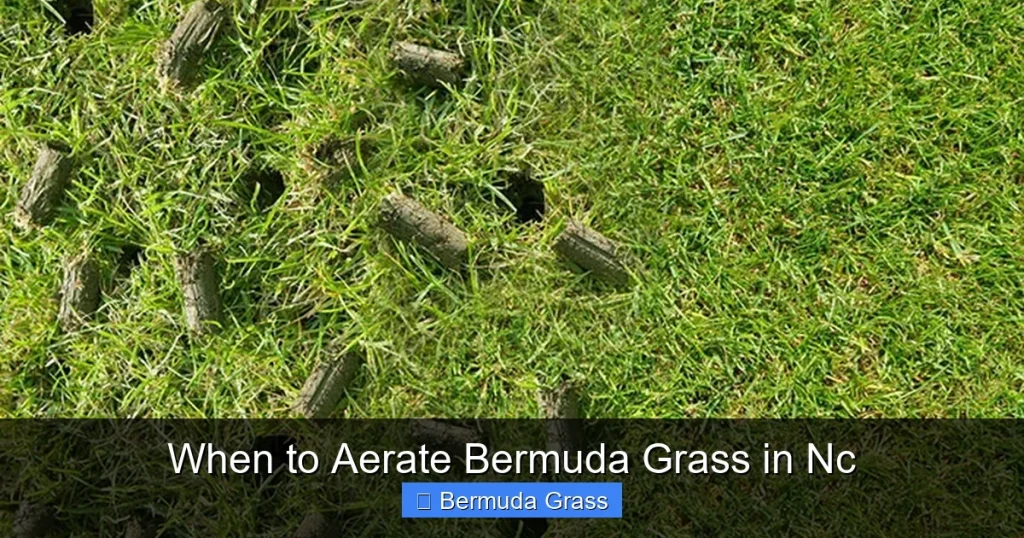
Knowing when to aerate Bermuda grass in NC is crucial for a thriving lawn. The ideal window is during the plant’s peak growth period, typically from late spring to mid-summer (May through July), allowing your grass to quickly recover. This guide provides comprehensive steps for identifying the right time, preparing your lawn, and ensuring optimal post-aeration care specific to North Carolina’s climate and soil.
When to Aerate Bermuda Grass in Nc
Welcome, North Carolina homeowner! You’re on a mission to get that lush, green Bermuda grass lawn everyone dreams of. One of the most important, yet often misunderstood, tasks is aeration. Knowing *when to aerate Bermuda grass in NC* is absolutely vital. Get the timing wrong, and you could do more harm than good. Get it right, and you’ll unlock a new level of health and vibrancy for your turf.
This comprehensive guide will walk you through everything you need to know. We’ll cover why aeration is crucial, how to pinpoint the perfect timing specifically for North Carolina’s climate, and detailed steps to ensure your Bermuda grass recovers beautifully. By the end, you’ll be confident in your ability to aerate your lawn like a pro!
Key Takeaways
- Optimal Timing is Key: The best time to aerate Bermuda grass in NC is during its peak growing season, specifically from late spring through mid-summer (May, June, and July). This ensures rapid recovery.
- Avoid Extreme Conditions: Never aerate when your Bermuda grass is dormant, stressed by drought, or experiencing extreme heat or cold. These conditions hinder recovery and can damage your lawn.
- Look for Signs of Compaction: Aeration is necessary if your soil feels hard, water puddles easily, your grass looks thin, or you have a thick thatch layer (over 1/2 inch). Use the screwdriver test to check for compaction.
- Prioritize Core Aeration: For North Carolina’s often clayey soils, core aeration is the most effective method as it removes soil plugs, significantly relieving compaction and improving air, water, and nutrient penetration.
- Prepare and Follow Up: Mow short and water your lawn a day or two before aerating. Afterward, leave the soil plugs, and consider fertilizing or overseeding, then water adequately to encourage quick recovery.
- Consider NC Specifics: North Carolina’s warm, humid summers and varying soil types (often clay) make proper timing even more critical for the success of your Bermuda grass aeration efforts.
Understanding Bermuda Grass in North Carolina
Bermuda grass is a champion warm-season grass. It thrives in the heat and sun, making it a popular choice across North Carolina, from the coast to the mountains. It has a robust root system and spreads aggressively, creating a dense, durable turf. However, this very robustness can lead to soil compaction and thatch buildup over time.
In NC, Bermuda grass typically greens up in late spring, grows vigorously through the hot summer months, and then slows down as fall approaches, eventually going dormant with the first hard frost. This growth cycle is key to understanding when to aerate bermuda grass in NC.
Why Aeration is Crucial for Bermuda Grass
Think of your lawn’s soil as its foundation. Over time, foot traffic, lawn equipment, and even rain can compact this soil. When soil becomes dense, it squeezes out the air pockets that roots need to breathe. It also makes it harder for water, nutrients, and fertilizer to penetrate the surface and reach the roots.
This is where aeration comes in. Aeration is the process of creating small holes in the soil. This relieves compaction, allowing air, water, and nutrients to move freely to the root zone. For Bermuda grass, which is a heavy feeder and grows densely, aeration is like giving it a breath of fresh air and a nutrient boost. It leads to:
- Stronger, deeper root growth.
- Improved water absorption and reduced runoff.
- Better nutrient uptake.
- Enhanced resistance to drought and disease.
- A thicker, healthier, and more resilient lawn.
Now, let’s talk about the golden rule of *when to aerate Bermuda grass in NC*.
The Golden Rule: Aerate During Peak Growing Season
For warm-season grasses like Bermuda, aeration should always happen during their most active growth period. Why? Because the grass needs to be strong enough to recover quickly from the stress of aeration. Punching holes in the soil is a little traumatic for your lawn! If your Bermuda grass is actively growing, it will quickly send new roots into those fresh holes and repair any damage.
If you aerate too early (when it’s still cool) or too late (when it’s starting to slow down for dormancy), your grass won’t have the energy to recover. This can leave your lawn vulnerable to weeds, diseases, and even bare spots. This is the single most important factor to consider when deciding *when to aerate Bermuda grass in NC*.
Step-by-Step Guide: When to Aerate Bermuda Grass in NC
Let’s break down the best approach for North Carolina lawns.
Step 1: Pinpoint the Ideal Time for Bermuda Grass in NC
This is the most critical step. For Bermuda grass in North Carolina, you want to hit that sweet spot of vigorous growth.
When Does Bermuda Grass Thrive in North Carolina? (Late Spring to Mid-Summer)
The best window for aeration is from late spring through mid-summer. Here’s a closer look:
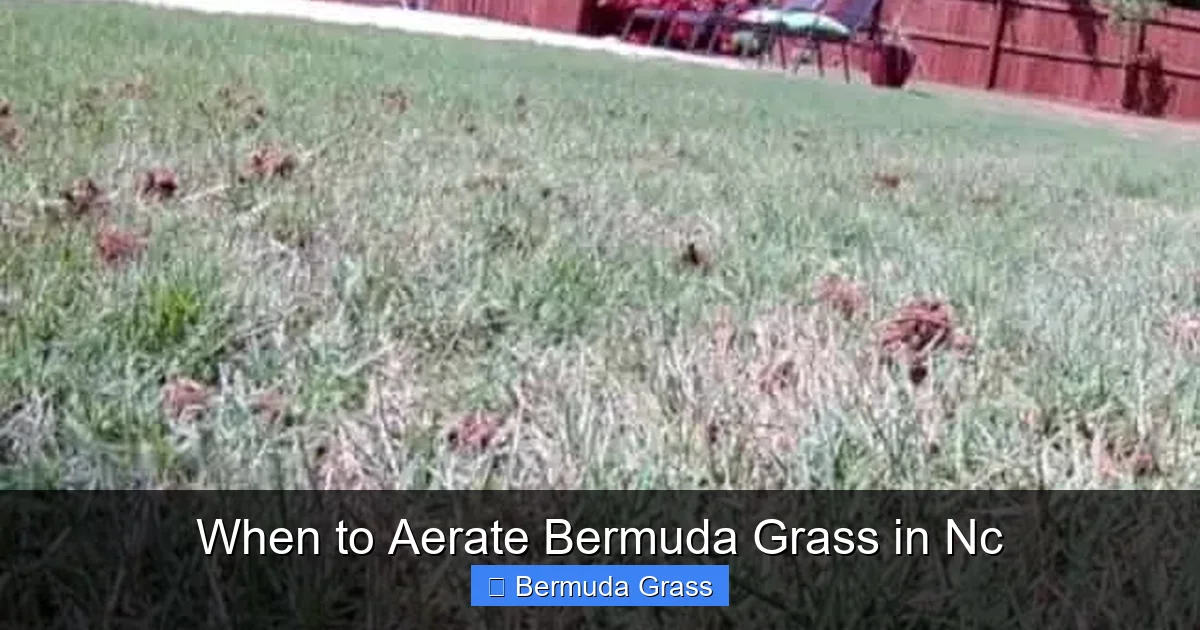
Visual guide about When to Aerate Bermuda Grass in Nc
Image source: yardique.com
- May (Late Spring): As soil temperatures consistently hit 65-70°F and your Bermuda grass is fully green and actively growing, May is an excellent time. The weather is usually warm, and the grass has the whole summer ahead to recover. This is often the start of the ideal period for when to aerate Bermuda grass in NC.
- June (Early Summer): June is arguably the perfect month. Your Bermuda grass is in full swing, soaking up the sun and warmth. It will recover very quickly from aeration.
- July (Mid-Summer): Still a great time! Even though the North Carolina summers can be hot, Bermuda grass loves it. As long as you provide adequate water post-aeration, your lawn will rebound well.
Aim for these months. They provide the perfect conditions for recovery and maximize the benefits of aeration for your Bermuda grass in NC.
Avoid Extreme Heat or Cold
Just as important as knowing when to aerate Bermuda grass in NC, is knowing when not to.
- Early Spring (March/April): Your Bermuda grass is just waking up or still partially dormant. It’s not actively growing enough to recover quickly from the stress of aeration.
- Late Summer/Early Fall (August/September): While August can still be okay if done early in the month and followed by consistent watering, by late August or September, Bermuda grass starts to slow its growth as it prepares for dormancy. Aerating now leaves your lawn vulnerable without enough time to recover before cold weather arrives.
- Late Fall/Winter (October-February): Absolutely avoid this period. Your Bermuda grass is dormant and will not recover. Aerating now will damage your lawn.
- During Drought Conditions: Never aerate a lawn that is stressed by drought. Always ensure the lawn is well-hydrated before and after aeration.
Step 2: Assess Your Lawn’s Specific Needs
Before you even think about renting an aerator, decide if your lawn actually needs it.
Do You Even Need to Aerate?
Look for these signs:
- Compacted Soil: The easiest test is the “screwdriver test.” Try pushing a screwdriver or pencil into the soil. If it’s hard to push in more than a few inches, your soil is likely compacted. This is a clear sign for when to aerate Bermuda grass in NC.
- Thatch Layer: Thatch is a layer of dead and living organic material (stems, roots) that builds up between the soil surface and the green blades of grass. If this layer is thicker than 1/2 inch, it can prevent water and nutrients from reaching the soil. Pull back a section of your lawn and measure the spongy layer.
- Poor Water Penetration: Does water puddle on your lawn instead of soaking in, especially after rain or irrigation? This means it’s running off because it can’t penetrate compacted soil.
- Thinning Grass or Bare Spots: If your Bermuda grass looks weak, thin, or has bare patches despite adequate watering and fertilization, compaction might be the culprit.
- Heavy Traffic Areas or New Construction: Areas with a lot of foot traffic, pet activity, or lawns recently disturbed by construction are highly prone to compaction.
How Often Should You Aerate?
It depends on your lawn’s condition and soil type. For many North Carolina soils, which often contain clay, annual aeration can be beneficial. Generally:
- Annually: For lawns with heavy clay soil, high traffic, or recurring compaction issues.
- Every 2-3 Years: For healthy lawns with good drainage and less compaction.
Step 3: Prepare Your Lawn for Aeration
A little prep work goes a long way for successful aeration and quick recovery.
Mow Your Lawn Shorter
Mow your Bermuda grass a day or two before aeration, setting your mower blade to one of its lowest settings. Shorter grass makes it easier for the aerator to penetrate the soil and ensures the tines don’t get tangled.
Water Your Lawn a Day or Two Before
The soil should be moist, but not soggy. If the ground is too hard and dry, the aerator tines will struggle to penetrate. If it’s too wet, the soil will stick to the machine, making a muddy mess. An inch of water applied a day or two before is usually perfect.
Mark Sprinkler Heads and Invisible Fences
Seriously, do not skip this! Go around your lawn and mark all sprinkler heads, shallow utility lines, and invisible pet fence wires with flags or spray paint. Running an aerator over these can cause expensive damage.
Step 4: Choose the Right Aeration Method
There are different types of aerators, but one is far superior for Bermuda grass.
Core Aeration (Most Recommended)
This is the gold standard for relieving compaction. A core aerator (also called a plug aerator) uses hollow tines to remove small plugs or cores of soil and thatch from your lawn. These plugs are about 2-3 inches long and roughly 1/2 to 3/4 inch in diameter. This physically removes soil, creating space for roots to grow and for air, water, and nutrients to penetrate deeply. For when to aerate Bermuda grass in NC, core aeration is always the best choice.
- Rent a Machine: You can rent a core aerator from most hardware stores or equipment rental centers. They can be heavy and a bit challenging to operate, but they deliver excellent results.
- Hire a Professional: Many lawn care services offer aeration. This is a good option if you prefer not to do the heavy lifting or don’t have experience with the equipment.
Spike Aeration (Less Effective, Not Recommended for Compaction)
Spike aerators simply poke holes in the ground with solid tines. While this creates holes, it can also further compact the soil around the edges of the holes. It does not remove plugs, so it’s not effective for relieving significant compaction. We do not recommend spike aeration for Bermuda grass in NC if your goal is to reduce soil compaction.
Liquid Aeration (Supplemental, Not a Replacement)
Liquid aeration products contain ingredients that supposedly help break down soil particles and improve porosity. These can be useful as a supplement, especially for maintaining soil health between core aeration treatments, but they are generally not a substitute for the physical action of core aeration, especially for severely compacted soils typical in NC.
Step 5: Aerate Your Bermuda Grass Lawn
Once your lawn is prepared and you have your core aerator, it’s time to get to work!
Make Multiple Passes
For best results, make at least two passes over your lawn. Go in one direction (e.g., north-south) for the first pass, then make a second pass perpendicular to the first (e.g., east-west). For heavily compacted areas or areas with clay soil (common in NC), a third pass might be beneficial. You want to aim for 20-40 holes per square foot.
Collect or Leave the Plugs? (Leave them!)
Resist the urge to rake up the soil plugs! These plugs contain valuable microorganisms and nutrients. They will break down and decompose back into your lawn within a week or two, adding beneficial organic matter to the surface. Your next mowing will help break them up even further.
Step 6: Post-Aeration Care for Optimal Recovery
Aeration is just the first step. Proper follow-up care is essential to maximize benefits for your Bermuda grass in NC.
Fertilize Immediately After (Optional, but Beneficial)
Aeration is a fantastic time to fertilize because the nutrients can easily reach the roots. If you plan to fertilize, do it right after aeration. Choose a fertilizer appropriate for Bermuda grass in its active growing season.
Overseed (Optional, but Can Thicken Lawn)
If your Bermuda grass lawn is thin or has bare spots, aeration creates an ideal seedbed. The holes provide perfect little pockets for grass seed to germinate and establish. Spread your Bermuda grass seed right after aeration and fertilization. Make sure you use a high-quality Bermuda grass seed specifically designed for your region.
Water Your Lawn
After aeration (and any subsequent fertilizing or overseeding), water your lawn thoroughly. Keep the soil consistently moist (but not waterlogged) for the next several days to help the grass recover, encourage new root growth, and aid seed germination if you overseeded.
Continue Regular Mowing and Watering
Resume your normal lawn care routine. Continue to mow your Bermuda grass at its recommended height and provide adequate water, especially during North Carolina’s hot summer months.
Practical Tips for North Carolina Homeowners
* NC’s Clay Soils: Many areas of North Carolina have heavy clay soils, which are highly prone to compaction. This makes regular core aeration even more important for Bermuda grass in NC. Don’t skip it if you have clay!
* Weather Patterns: Pay attention to local weather forecasts. While summer is the ideal time, avoid aerating right before an extreme heatwave or a period of heavy, continuous rain.
* Combine Treatments: Aeration is an excellent time to combine other lawn treatments. Apply pre-emergents a few weeks before aeration (if you don’t plan to overseed immediately after), or post-emergents for weeds that emerge in the disturbed soil. Fertilizing and overseeding immediately after aeration are highly effective.
Troubleshooting Common Aeration Issues
Even with the best planning for when to aerate Bermuda grass in NC, sometimes things don’t go perfectly.
* Grass Not Recovering Well: If your Bermuda grass looks stressed or isn’t recovering quickly after aeration, the timing might have been off (too early, too late, or during a drought). Ensure you are watering consistently. It might also indicate that the soil was severely compacted and needs more frequent aeration or deeper penetration.
* Uneven Plug Removal: If the aerator isn’t pulling plugs consistently, the soil might be too dry, or the machine’s tines might be worn. Water your lawn more or check the aerator for maintenance needs.
* Machine Issues: Rental aerators can be finicky. If it’s not working properly, don’t force it. Return it and get a different machine or professional help.
Conclusion
Mastering *when to aerate Bermuda grass in NC* is a game-changer for your lawn. By aligning your aeration efforts with your Bermuda grass’s peak growing season—typically late spring to mid-summer (May through July)—you give your lawn the best chance to recover swiftly and flourish. Remember to assess your lawn’s needs, prepare thoroughly, choose core aeration, and follow up with proper post-care.
Aerate at the right time, and you’ll be rewarded with a denser, healthier, more resilient Bermuda grass lawn that stands up to the demands of North Carolina’s climate. Your lawn will thank you for providing the space it needs to breathe and thrive!