
Scalping Bermuda grass is a vital annual practice performed in late winter to early spring, just before active growth begins. This process removes dormant top growth and thatch, encouraging a faster, healthier spring green-up and promoting a denser, more robust lawn. Proper timing is crucial to maximize benefits, ensuring your turf thrives without unnecessary stress.
When Should You Scalp Bermuda Grass?
Welcome to the ultimate guide on one of the most impactful practices for a stunning Bermuda grass lawn: scalping! If you’ve ever wondered how to get that vibrant, golf-course-quality look from your Bermuda grass, understanding when and how to scalp it is your secret weapon. This isn’t just a fancy mowing technique; it’s a critical annual ritual that sets the stage for a healthy, dense, and beautiful lawn all season long.
In this comprehensive guide, we’ll dive deep into what scalping Bermuda grass means, why it’s so important, and most crucially, *when* you should scalp your Bermuda grass to achieve the best results. We’ll cover everything from identifying the perfect timing to the step-by-step process and essential post-scalping care. Get ready to transform your lawn!
Key Takeaways
- Timing is Everything: The absolute best time to scalp Bermuda grass is in late winter to early spring, specifically when soil temperatures consistently reach 50-55°F (10-13°C) and before new green growth significantly emerges.
- Purpose of Scalping: Scalping removes the accumulated dead, brown dormant grass blades and excess thatch from the previous season, allowing sunlight and nutrients to reach the new grass crowns more effectively.
- Key Benefits: This practice leads to a much faster, more uniform spring green-up, promotes a denser turf by encouraging lateral growth, improves overall lawn health, and reduces the risk of fungal diseases.
- Gradual Process: Do not attempt to scalp your Bermuda grass in one extremely low pass. Instead, gradually lower your mower deck over several passes until you reach the desired scalping height of 0.5 to 1 inch (1.25-2.5 cm).
- Clean-Up is Crucial: Always bag or thoroughly rake up all the clippings after scalping. Leaving them on the lawn defeats the purpose of thatch removal and can smother new growth.
- Post-Scalping Care: After scalping, wait for active green growth to appear before applying a pre-emergent herbicide and a spring fertilizer. Ensure adequate watering to support recovery and new development.
Understanding Bermuda Grass: A Warm-Season Wonder
Before we talk about scalping, let’s briefly touch upon what makes Bermuda grass unique. Bermuda grass is a warm-season turfgrass, meaning it thrives in hot temperatures and goes dormant, turning brown, when temperatures drop in the fall and winter. It’s known for its aggressive growth, drought tolerance, and ability to form a dense, resilient turf, which is why it’s so popular in southern climates.
Its spreading nature, via stolons (above-ground runners) and rhizomes (underground runners), allows it to quickly fill in bare spots and withstand heavy traffic. However, this vigorous growth can also lead to thatch buildup – a layer of dead and decaying organic matter that accumulates between the soil surface and the green grass blades. And that, my friends, is where scalping comes into play.
The “Why” Behind Scalping Bermuda Grass
Why go through the effort of essentially “shaving” your lawn? The reasons are compelling and directly contribute to the health and aesthetics of your Bermuda grass.
Removes Thatch and Dormant Growth
During its winter dormancy, Bermuda grass accumulates a layer of dead, brown leaf blades and stems on the surface, along with any existing thatch. Scalping removes this unsightly and unhealthy layer, preventing it from suffocating new growth.
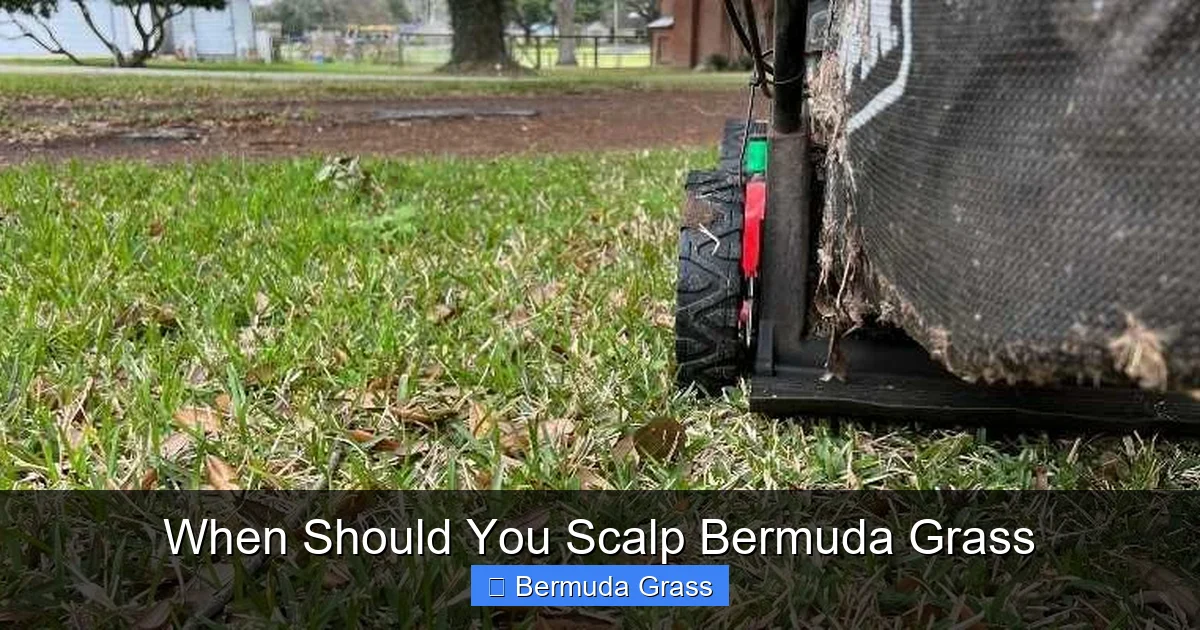
Visual guide about When Should You Scalp Bermuda Grass
Image source: houstonturfgrass.com
Promotes Faster, More Uniform Spring Green-Up
By getting rid of the old, dead material, you allow sunlight to reach the soil and the crowns of the grass plants more efficiently. This direct access to sunlight and warmer soil temperatures stimulates quicker and more even green-up as temperatures rise, rather than waiting for new growth to push through the old brown layer.
Encourages Lateral Growth and Denser Turf
Scalping stresses the grass in a controlled way, prompting it to recover by sending out new stolons and rhizomes. This lateral growth helps your Bermuda grass fill in any thin spots, leading to a much denser, tighter turf with fewer weeds. Think of it as hitting the reset button for vigorous growth.
Reduces Disease Risk
Excessive thatch can trap moisture and create an ideal environment for fungal diseases. By removing this layer, you improve air circulation and reduce humidity around the grass blades, significantly lowering the risk of turf diseases.
Prepares for Optimal Summer Mowing
Scalping sets a low base for your lawn, allowing you to establish a consistent, low mowing height throughout the growing season. Bermuda grass looks its best when maintained at a low height (typically 0.5 to 1.5 inches), and scalping helps achieve this from the very start.
The “When”: Timing is Everything for Scalping Bermuda Grass
This is the million-dollar question: when should you scalp your Bermuda grass? The timing is crucial and depends heavily on your local climate and, more specifically, soil temperatures. Scalping too early can expose your lawn to frost damage, while scalping too late can stress new, tender growth.
The Golden Window: Late Winter to Early Spring
The ideal time to scalp Bermuda grass is during its transition period from dormancy to active growth. This typically falls between late winter and early spring. The exact weeks will vary depending on your geographical location.
Key Indicators to Watch For
- Soil Temperature: This is the most reliable indicator. Your soil temperature should consistently reach 50-55°F (10-13°C) at a 4-inch depth. You can purchase a soil thermometer to monitor this, or look up local university extension reports that often provide regional soil temperature data.
- Before Significant Green-Up: You want to scalp just as the grass is waking up, but *before* a substantial amount of new green growth has emerged. You might see a hint of green at the base of the blades, but the lawn should still predominantly be brown.
- After the Last Hard Frost: Ensure the danger of a hard killing frost has passed. While Bermuda is resilient, scalping makes it more vulnerable to extreme cold snaps.
- Budding Trees and Shrubs: As a general rule of thumb, when deciduous trees and shrubs in your area start to bud out and show early signs of spring growth, it’s often a good time to consider scalping your Bermuda grass.
Practical Example: In the Deep South, this might be late February to early March. In more northern transition zones, it could be late March to early April. Always prioritize soil temperature over calendar dates.
How to Prepare for Scalping Your Bermuda Grass
Preparation is key to a smooth and effective scalping process. Don’t just jump on the mower!
Clean Up Your Lawn
Before you even think about firing up the mower, thoroughly rake and remove any fallen leaves, sticks, pinecones, or other debris from your lawn. These can get caught in your mower blades and cause damage or lead to an uneven cut.
Sharpen Your Mower Blades
Dull blades tear grass rather than cut it cleanly, which stresses the plant and leaves jagged edges susceptible to disease. Ensure your mower blades are freshly sharpened for the cleanest possible cut. This is especially important when you scalp Bermuda grass at such a low height.
Adjust Your Mower Deck
Make sure you know how to easily adjust the height of your mower deck. You’ll be making multiple passes at gradually lower settings.
Ensure Proper Soil Moisture
While you shouldn’t scalp wet grass (it can clog your mower and make an uneven cut), the soil shouldn’t be bone dry either. A slightly moist soil helps the grass recover faster. If your lawn is very dry, give it a good watering a day or two before you plan to scalp.
The Step-by-Step Scalping Process for Bermuda Grass
Now that you know when and how to prepare, let’s walk through the actual process of scalping your Bermuda grass.
Step 1: Determine the Right Time
Reconfirm that your soil temperatures are consistently above 50°F (10°C) and that the risk of hard frost has passed. Look for just a hint of green at the base of your grass blades, indicating it’s ready to wake up.
Step 2: Mow at Your Regular Fall Height
Start by making one or two passes at the height you maintained your lawn during the fall. This helps to reduce the overall volume of grass and makes subsequent lower cuts easier. If your fall height was, say, 2 inches, start there.
Step 3: Gradually Lower Your Mower Deck
This is crucial! Do not attempt to scalp your Bermuda grass from a high setting to your target scalping height in one go. Doing so puts immense strain on your mower and can lead to an uneven cut or damage your lawn. Instead:
- Lower by One Setting: After your initial pass, lower your mower deck by one setting (typically 0.5 to 1 inch).
- Make Another Pass: Mow the entire lawn again at this new, lower height.
- Repeat: Continue this process, lowering your mower deck by one setting and mowing the entire lawn, until you reach your desired scalping height.
The target scalping height for Bermuda grass is usually between 0.5 to 1 inch (1.25 to 2.5 cm). Some aggressive lawn enthusiasts might go slightly lower, but for most homeowners, this range is effective and safer.
Step 4: Make Multiple Passes (if needed)
You may need to make several passes at the lowest setting to ensure you’ve removed as much dormant material as possible. Mowing in different directions (e.g., perpendicular to your previous pass) can help achieve a more even and thorough cut.
Step 5: Bag or Rake the Clippings – This is Critical!
After scalping, your lawn will be covered in a significant amount of brown, dormant clippings. It is absolutely essential to remove these clippings. Bag them with your mower or thoroughly rake them up. Leaving them on the lawn will create a new layer of thatch, smother new growth, and negate all the benefits of scalping. You might be surprised by how much material you remove!
Step 6: Assess and Adjust
Once you’ve removed all the clippings, take a look at your lawn. It should appear quite short and brown, with some hints of green at the very base. If there are still large areas of shaggy, dormant material, you might need to make another pass or do some targeted raking.
Step 7: Post-Scalping Care
Once your Bermuda grass is scalped and cleaned up, it’s time to set it up for success:
- Fertilization: Wait until your Bermuda grass has started to actively green up (usually 2-4 weeks after scalping) before applying your first spring fertilizer. Use a slow-release nitrogen fertilizer specifically formulated for warm-season grasses.
- Pre-Emergent Herbicide: This is a great time to apply a pre-emergent herbicide to prevent crabgrass and other summer weeds. Apply it *after* scalping and *before* significant green-up for optimal effectiveness.
- Watering: Ensure your lawn receives adequate moisture, especially if you have a dry spell. While Bermuda grass is drought-tolerant, proper hydration supports recovery and new growth.
- First Mowing: Once your lawn has significantly greened up and grown about 0.5 to 1 inch above your desired summer height, you can make your first regular mow of the season. Maintain your preferred low height consistently throughout the summer.
What Not to Do When Scalping Bermuda Grass
Avoid these common mistakes to protect your lawn:
- Don’t Scalp Too Early: Resist the urge to scalp your Bermuda grass at the first sign of warmth in winter. A late frost can severely damage a scalped lawn.
- Don’t Scalp Too Late: If your Bermuda grass has already started to put out significant new green growth, scalping it will remove that new growth, stressing the plant and delaying your spring green-up.
- Don’t Scalp Wet Grass: Wet grass clumps, clogs your mower, and can lead to an uneven, messy cut. Always scalp when the grass is dry.
- Don’t Go From High to Super Low in One Pass: As mentioned, this is hard on your mower and your lawn. Gradual lowering is key.
- Don’t Skip the Clean-Up: Leaving clippings is the biggest mistake you can make after scalping Bermuda grass.
Troubleshooting Common Scalping Issues
Even with the best intentions, you might encounter a few hiccups.
Uneven Scalping
If your lawn looks patchy or uneven after scalping, it could be due to uneven terrain, dull blades, or not making enough passes. Ensure your mower deck is level and blades are sharp. For uneven terrain, you might need to make more passes in different directions.
Brown Patches Post-Scalping
It’s normal for your lawn to look very brown, almost like dirt, immediately after scalping. This is expected. If specific patches remain stubbornly brown or seem to be struggling more than others once green-up begins, it could indicate areas with excessive thatch, poor drainage, or underlying soil issues. Monitor these spots and address any concerns once active growth resumes.
Slow Green-Up
If your Bermuda grass seems to be taking an unusually long time to green up after scalping, it might be due to cooler-than-average temperatures, insufficient watering, or a lack of nutrients. Ensure consistent soil moisture and consider a light application of spring fertilizer if soil temperatures are consistently warm and growth is still sluggish.
Maintaining Your Bermuda Grass After Scalping
Scalping is a great start, but it’s part of a larger plan for a beautiful lawn.
Regular Mowing at Optimal Height
Once your Bermuda grass has greened up, maintain a consistent low mowing height (0.5 to 1.5 inches). Mow frequently enough (every 3-5 days) so that you never remove more than one-third of the blade in a single mowing. This is crucial for dense growth.
Proper Watering
While Bermuda grass is drought-tolerant, it still needs about 1 inch of water per week, either from rain or irrigation, to look its best. Water deeply and infrequently to encourage deep root growth.
Fertilization Schedule
Follow a consistent fertilization schedule throughout the growing season, typically every 4-6 weeks, using a high-nitrogen fertilizer. Always follow product instructions.
Weed Management
Stay on top of weeds with regular applications of pre-emergent herbicides in spring and fall, and spot treatments with post-emergent herbicides as needed during the growing season.
Conclusion
Scalping Bermuda grass might seem drastic, but it is one of the most effective and essential practices for achieving a lush, dense, and healthy lawn. By understanding *when* to scalp – primarily guided by consistent soil temperatures in late winter to early spring – and following the proper steps, you’ll empower your Bermuda grass to burst forth with vibrant green growth.
Embrace this annual ritual, and you’ll be rewarded with a lawn that is not only the envy of your neighborhood but also more resilient and easier to maintain throughout the scorching summer months. So, get ready to grab that mower, set the stage for success, and enjoy the remarkable transformation of your Bermuda grass!