The best time to plant Kentucky bluegrass seed is during early fall or late spring when conditions are just right for germination. These periods offer moderate temperatures and consistent moisture, giving your new lawn the best shot at thriving.
Plant Kentucky bluegrass seed in early fall or late spring for optimal results, as these seasons provide ideal temperatures and moisture levels. Early fall, in particular, allows roots to establish before winter, while late spring gives the grass plenty of time to grow before summer heat hits.
If you’re eager to achieve a lush, green lawn, timing is everything. Kentucky bluegrass is a cool-season grass that flourishes when temperatures are between 60-75°F (15-24°C). Planting at the right time ensures strong germination, healthy growth, and long-lasting beauty. Spring and fall are your prime windows—just wait for the soil to warm up in spring or the air to cool in fall, and you’ll set your lawn up for success.

When Should I Plant Kentucky Bluegrass Seed?
Understanding Kentucky Bluegrass and Its Growing Conditions
Kentucky Bluegrass is a popular choice for lawns because of its lush green color and soft texture. It thrives best in areas with cool to moderate temperatures. Knowing when to plant the seed is key to getting a healthy, beautiful lawn. The right timing ensures the grass establishes well and stays green throughout the growing season.
Kentucky Bluegrass prefers well-draining soil with a pH level of 6.0 to 7.0. It requires about 1 to 1.5 inches of water weekly. The grass grows most actively in cooler weather, making timing essential for successful planting.
Ideal Seasons for Planting Kentucky Bluegrass Seed
The best seasons to plant Kentucky Bluegrass are **early spring** and **early fall**. During these times, the weather conditions are ideal for seed germination and establishment. Planting at the right time allows the grass to develop strong roots before extreme temperatures arrive.
In spring, planting from **late March to early May** provides sufficient time for the seed to grow before summer heat. For fall planting, aim for **late August to mid-October** to give the grass enough time to establish before winter.
Spring Planting: Benefits and Considerations
Spring planting is popular because the soil warms up after winter, making it easier for seeds to germinate. During this season, temperatures are moderate, and rainfall is usually sufficient to keep the soil moist.
However, planting too early in early spring can be risky if the soil is still frozen or overly saturated. It is best to wait until the soil has warmed to around 50°F (10°C). This ensures the seeds will sprout quickly and develop strong roots.
Fall Planting: Why It’s a Favorable Time
Fall is often considered the **best time for planting Kentucky Bluegrass**. Cooler temperatures and increased rainfall help seeds to germinate and establish roots before winter.
Planting in late summer or early fall allows the grass to grow steadily and develop a deep root system. This robust root system helps the lawn withstand drought and foot traffic during the summer months.
Factors That Affect the Best Planting Time
Several factors influence the ideal time to plant Kentucky Bluegrass seed. These include:
- Soil temperature: Seeds germinate best when soil temperatures are between 50°F and 65°F.
- Weather conditions: Avoid planting during droughts or extreme weather events such as heavy rain or early frosts.
- Upcoming temperatures: Ensure that the weather isn’t forecasted to be too hot or too cold after planting.
- Timing relative to seasonal changes: Planting too late in fall may not give the grass enough time to establish before winter.
Monitoring local weather patterns and soil conditions helps determine the perfect planting window.
How to Prepare Your Lawn Before Planting
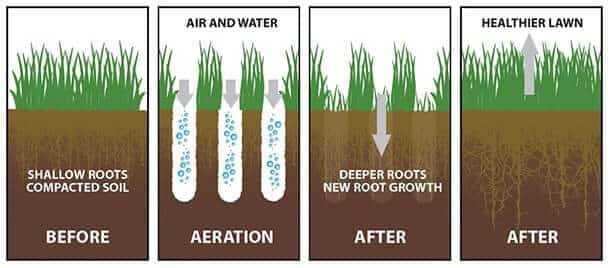
Proper preparation is crucial for successful Kentucky Bluegrass planting. Begin by removing weeds, patches of dead grass, or debris from the lawn area. Loosen the soil using a rake or tiller, and consider aerating if the soil is compacted.
Adding a thin layer of compost or fertilizer can provide essential nutrients for seed growth. Ensure the soil has consistent moisture before planting for better seed-to-soil contact and germination.
Steps for Planting Kentucky Bluegrass Seed
Follow these simple steps for a successful planting:
- Choose the right time based on your local climate, ideally spring or fall.
- Prepare the soil by clearing debris and loosening it thoroughly.
- Mix Kentucky Bluegrass seed with sand or soil to aid even distribution.
- Spread the seed evenly across the prepared area using a seed spreader or by hand.
- Lightly rake the soil to cover the seed lightly, about ¼ inch deep.
- Water the area gently but thoroughly to keep the soil moist.
- Maintain consistent moisture to support germination, which typically takes 14 to 30 days.
Proper watering and avoiding heavy foot traffic during germination are key to establishing a healthy lawn.
Post-Planting Care for Kentucky Bluegrass
After planting, regular watering is essential—about ¼ to ½ inch daily until the grass is established. Keep the soil consistently moist but not waterlogged.
Mowing should wait until the grass reaches about 3 inches tall. When mowing, cut no more than one-third of the grass height to promote healthy growth. Applying a balanced fertilizer about 4 to 6 weeks after planting can encourage root development.
Common Mistakes to Avoid When Planting Kentucky Bluegrass
Avoid these pitfalls for better results:
- Planting at the wrong time: Spring too early or fall too late can hinder germination.
- Overwatering or underwatering: Both can cause seed rot or poor germination.
- Poor soil preparation: Not removing weeds or debris leads to uneven growth.
- Skipping seed coverage: Leaving seeds on the surface or planting too deep can hinder sprouting.
- Ignoring soil temperature: Seeds need warm enough soil to germinate properly.
Following these guidelines allows your lawn to develop into a vibrant, healthy patch of Kentucky Bluegrass.
Related Topics for a Healthy Lawn
To keep your Kentucky Bluegrass lawn thriving, consider exploring topics such as:
Proper Lawn Fertilization
Regular fertilization helps maintain lush growth. Use a fertilizer appropriate for cool-season grasses and follow recommended application timings.
Watering Tips
Deep, infrequent watering encourages drought tolerance. Water early in the morning to reduce evaporation.
Overseeding and Lawn Repair
Overseeding in fall can fill in bare patches and improve lawn density. Prepare the area similarly to initial planting for best results.
Dealing With Common Lawn Problems
Address issues like pests, weeds, or disease promptly. Proper mowing height and aeration boost overall lawn health.
By understanding when and how to plant Kentucky Bluegrass seed, you can enjoy a lush, green lawn year-round. Timing your planting correctly, preparing the soil well, and giving proper care afterward are essential steps toward achieving a beautiful, resilient lawn.
When To Seed Kentucky Bluegrass?
Frequently Asked Questions
What is the ideal season for planting Kentucky Bluegrass in temperate climates?
The best time to plant Kentucky Bluegrass in temperate regions is during early fall or early spring. Planting in early fall allows the grass to establish roots before winter, while spring planting gives the grass ample time to develop before the hot summer months. Avoid planting during the peak of summer or winter, as extreme temperatures can hinder seed germination and growth.
How do soil conditions influence the timing of planting Kentucky Bluegrass?
Kentucky Bluegrass seeds germinate best in soil that is well-drained, fertile, and has a temperature between 60°F and 75°F (15°C to 24°C). Before planting, ensure the soil is properly prepared by aerating and enriching it with organic matter. Plantting when soil temperatures fall within this range promotes faster germination and healthy establishment of the turf.
Can I plant Kentucky Bluegrass if I experience early frosts?
If your area experiences early frosts, it’s advisable to wait until the danger of frost has passed in spring or until soil temperatures are consistently above 50°F (10°C). Frost can damage young seedlings, reducing germination success. Planning your planting schedule around the local climate helps ensure better growth and establishment of the grass.
Final Thoughts
The best time to plant Kentucky bluegrass seed is during early spring or early fall when temperatures are mild. These periods provide ideal conditions for germination and root development.
Planting at the right time ensures a healthy, dense lawn that withstands foot traffic and environmental stress.
When should I plant Kentucky bluegrass seed? The answer is during these cooler, moist months to maximize success. Proper timing leads to a lush, resilient lawn that thrives throughout the year.