The best time to plant Kentucky bluegrass is during early fall or spring when soil temperatures are moderate and weather conditions are ideal for growth. Planting during these periods gives the grass ample time to establish strong roots before the hot summer or cold winter hits.
For a quick answer: Aim to plant Kentucky bluegrass in early fall or early spring for optimal growth and establishing a lush, healthy lawn. These seasons provide the best conditions for seed germination and root development.
If you’re wondering when to plant Kentucky bluegrass, timing is key to ensuring a vibrant, resilient lawn. This grass variety thrives in cooler temperatures, so planting in early fall or spring offers the perfect environment for it to take root and flourish. Planting at the right time not only speeds up germination but also increases the chances of a thick, green, and drought-resistant lawn that can withstand seasonal changes. By choosing the right planting window, you give your grass the best start possible, helping you enjoy a stunning outdoor space with less maintenance and more enjoyment.

When Should I Plant Kentucky Bluegrass?
Understanding the Growth Cycle of Kentucky Bluegrass
Kentucky bluegrass is a popular cool-season grass known for its lush, green appearance. It grows best in cooler temperatures and thrives during spring and fall. Knowing its growth cycle helps determine the ideal planting times for a healthy, vibrant lawn.
Optimal Seasons for Planting Kentucky Bluegrass
The best times to plant Kentucky bluegrass are in early spring or early fall. During these periods, temperatures are ideal for seed germination and root establishment. Planting during these seasons allows the grass to develop strong roots before extreme weather conditions occur.
Spring Planting
Spring planting is suitable when soil temperatures reach around 50°F to 60°F. Early spring, typically from March to April, offers moderate temperatures and ample rainfall. These conditions support quick germination and help the grass establish well before summer stress.
Fall Planting
Fall planting is preferred because soil temperatures remain warm, usually between 60°F and 70°F, during September and October. Cooler air temperatures and increased moisture create a perfect environment for seed growth. Planting in the fall provides a head start for the grass to mature in cooler months.
Factors Influencing the Best Planting Time
Several factors affect when you should plant Kentucky bluegrass effectively. These include soil temperature, weather conditions, and your geographic location.
Soil Temperature
Kentucky bluegrass seed germinates best when soil temperatures range from 50°F to 65°F. Testing your soil temperature helps determine the right time to seed. Using a soil thermometer can provide accurate readings for optimal planting.
Weather Conditions
Avoid planting during periods of drought, extreme heat, or heavy rains. The ideal weather pattern involves mild temperatures, consistent moisture, and little wind. These conditions promote faster germination and reduce seed loss.
Geography and Climate
Regions with cooler climates, such as the northern United States, have a broader planting window in spring and fall. Warmer areas may require planting earlier in spring or later in fall. Local climate conditions and average temperatures should guide your planting schedule.
Preparing Your Lawn for Planting
Proper preparation is essential for successful Kentucky bluegrass planting. It creates a healthy seedbed and helps seeds establish quickly.
Soil Testing and Amendment
Test your soil for pH, nutrients, and drainage quality. Kentucky bluegrass prefers a pH between 6.0 and 7.0. Amend the soil with lime or fertilizer as needed to optimize conditions.
Cleaning and Leveling
Remove weeds, rocks, and debris from the planting area. Grade the soil to ensure even surfaces and proper drainage. Raking the soil lightly creates a good seed-to-soil contact.
Seeding and Covering
Spread seeds evenly using a spreader. Cover lightly with a thin layer of soil or compost to protect seeds from birds and wind. Adequate coverage increases germination rates.
Hydration and Maintenance Post-Planting
Watering and ongoing lawn care support seed germination and turf development.
Watering Schedule
Keep the soil consistently moist but not waterlogged. Water lightly several times a day during the first two weeks. After seedlings emerge, gradually reduce watering frequency but maintain adequate moisture.
Fertilization Tips
Apply a starter fertilizer high in phosphorus to promote root growth. Follow up with regular fertilization based on soil test recommendations to sustain healthy growth.
Weed and Pest Control
Monitor for weeds and pests that may compete with the new grass. Use appropriate control methods early to keep the lawn healthy and weed-free.
Common Mistakes to Avoid When Planting Kentucky Bluegrass
Knowing what to avoid ensures your lawn develops strong and healthy.
- Planting during extreme heat or cold, which can hinder germination.
- Overwatering or underwatering, both of which stress young seedlings.
- Using poor quality seed or seeds not suited for your region.
- Failing to prepare the soil properly, leading to patchy growth.
Related Topics to Consider
Besides timing, other important factors include seed choice, lawn maintenance, and soil health.
Choosing the Right Kentucky Bluegrass Seed
Select a seed variety compatible with your climate, soil, and sunlight conditions. Look for high germination rates and disease resistance.
Lawn Maintenance Tips
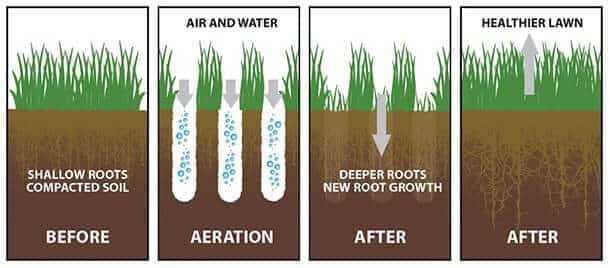
Maintain your lawn by mowing at the correct height, aerating soil annually, and watering deeply. Regular care encourages thick, uniform growth.
Soil Fertility and Drainage
Healthy soil with good drainage prevents root rot and fungal diseases. Incorporate compost and organic matter to improve soil quality.
Summary of Planting Timeline and Tips
| Season | Ideal Soil Temperature | Best Planting Period | Key Tips |
| ——– | ————————- | ——————— | ——————————————————— |
| Spring | 50°F to 60°F | March to April | Prepare soil early, seed evenly, keep moist |
| Fall | 60°F to 70°F | September to October | Test soil, fertilize properly, water consistently |
By understanding the best planting times, considering regional climates, and properly preparing your lawn, you increase your chances of establishing a lush Kentucky bluegrass lawn.
Remember, patience is key. The right timing and care will reward you with a beautiful, healthy lawn that lasts for years.
Kentucky Bluegrass Pros and Cons
Frequently Asked Questions
What is the best time of year to start planting Kentucky bluegrass?
The optimal time to plant Kentucky bluegrass is during the early fall or late spring. Planting in early fall, from September to October, allows the grass to establish roots before winter dormancy. Alternatively, late spring, around April to May, provides warm soil temperatures that promote healthy growth. Avoid planting during extreme summer heat or winter cold, as these conditions hinder establishment and survival.
How does soil temperature influence the timing for planting Kentucky bluegrass?
Kentucky bluegrass thrives when soil temperatures range between 50°F and 65°F. When the soil reaches these temperatures in spring or fall, germination occurs more quickly and uniformly. Planting outside this range can lead to slow growth or poor establishment, so monitoring soil conditions helps determine the best planting window.
Can I plant Kentucky bluegrass in the late fall or early winter?
Planting late in the fall or during winter is generally not recommended because cold temperatures slow germination and root development. If you want to seed in late fall, do so early enough to allow establishment before the onset of freezing temperatures. In most regions, it’s best to wait until early spring when conditions are more favorable for healthy growth.
What are the signs that indicate it’s the right season to seed Kentucky bluegrass?
You should consider seeding when you notice consistent soil and air temperatures within the suitable range, and when the risk of late frosts diminishes. Additionally, ensure that soil moisture levels are adequate and that weather forecasts predict stable conditions. These signs help create the best environment for the grass to establish successfully.
Does regional climate affect the timing for planting Kentucky bluegrass?
Yes, regional climate significantly influences the best planting time. In cooler northern areas, planting in late summer or early fall is preferable, while in milder southern regions, early spring or fall works well. Adjust your planting schedule based on local temperature trends and seasonal weather patterns to ensure optimal growth conditions.
Final Thoughts
Plant Kentucky bluegrass in early fall or late spring when temperatures are moderate. These periods provide optimal growing conditions and help the grass establish quickly. Avoid planting during extreme heat or cold to prevent stress on the grass.
When should I plant Kentucky bluegrass? The best time is during these ideal seasons to ensure healthy growth and a lush lawn. Proper timing guarantees better root development and overall success, making your lawn vibrant and resilient.