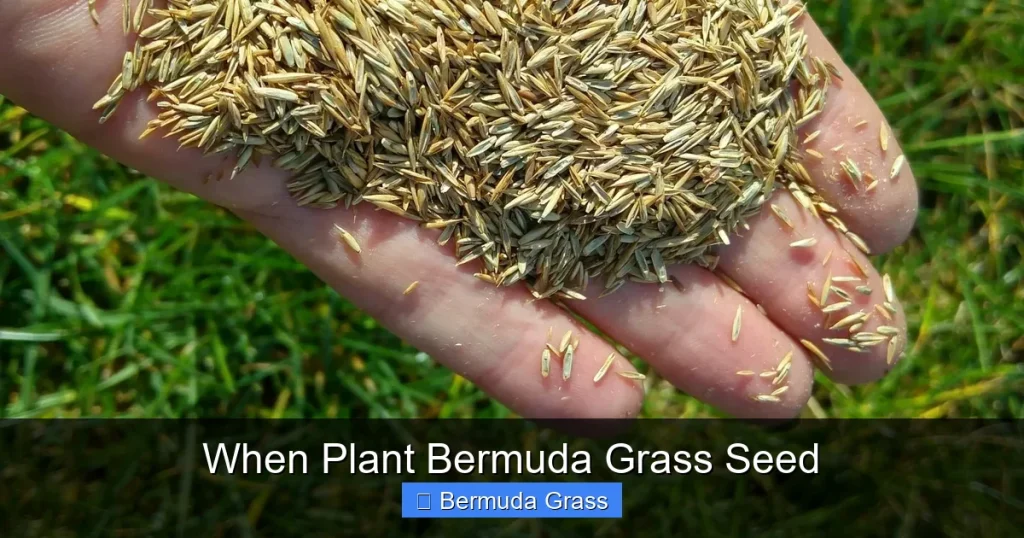
Achieving a beautiful Bermuda grass lawn starts with perfect timing. The best window to plant Bermuda grass seed is typically from late spring to early summer, once soil temperatures consistently reach 65-80°F (18-27°C). This warmth is vital for quick germination and strong root establishment, giving your new lawn the best chance to thrive before cooler weather arrives.
When Plant Bermuda Grass Seed
Dreaming of a dense, vibrant green lawn that stands up to summer heat and heavy foot traffic? If you live in a warmer climate, Bermuda grass is likely your ideal candidate. It’s tough, beautiful, and incredibly resilient. But here’s the secret to its success: timing is everything when you plant Bermuda grass seed.
Planting at the right moment can mean the difference between a lush, healthy lawn and a patchy, disappointing struggle. In this complete how-to guide, we’ll walk you through exactly when to plant Bermuda grass seed, focusing on the optimal conditions and giving you practical, step-by-step advice. By the end, you’ll be armed with all the knowledge you need to give your new Bermuda lawn the best possible start.
Key Takeaways
- Optimal Timing is Key: Plant Bermuda grass seed in late spring to early summer when soil temperatures are consistently between 65-80°F (18-27°C) and air temperatures are consistently above 80°F (27°C).
- Warm-Season Grass Needs Warmth: Bermuda is a warm-season grass, meaning it requires heat to germinate and grow successfully. Planting too early in cold soil will lead to poor germination and increased weed competition.
- Soil Preparation is Crucial: Before seeding, test your soil pH, clear debris, loosen the soil (to about 4-6 inches deep), and add a starter fertilizer to create an ideal environment for your seeds.
- Consistent Moisture is Essential: After planting, keep the seedbed consistently moist, but not waterlogged, until germination occurs (typically 7-30 days). Light, frequent watering is vital for success.
- Avoid Late Planting: Do not plant Bermuda grass seed too late in the season (e.g., late summer or fall). New seedlings won’t have enough time to establish a strong root system before the first frost, leading to potential winterkill.
- Choose Quality Seed: Opt for high-quality, hulled Bermuda grass seed from a reputable supplier. Good seed provides better germination rates and helps ensure a healthy, uniform lawn.
Understanding Bermuda Grass: A Warm-Season Lover
Before we dive into the “when,” let’s quickly understand what Bermuda grass is all about. Bermuda grass (Cynodon dactylon) is a warm-season turfgrass. This means it thrives in hot weather. It loves sunshine and heat, going dormant and turning brown in colder temperatures. This characteristic is key to understanding its planting schedule.
Unlike cool-season grasses that prefer spring or fall planting in cooler soils, Bermuda grass needs warmth, and lots of it, to germinate and grow effectively. Its aggressive growth habit allows it to quickly fill in bare spots and create a dense turf, but only when the conditions are just right.
The Golden Window: When to Plant Bermuda Grass Seed
The single most important factor for successful Bermuda grass seed germination is soil temperature. Forget the calendar for a moment; listen to your soil!
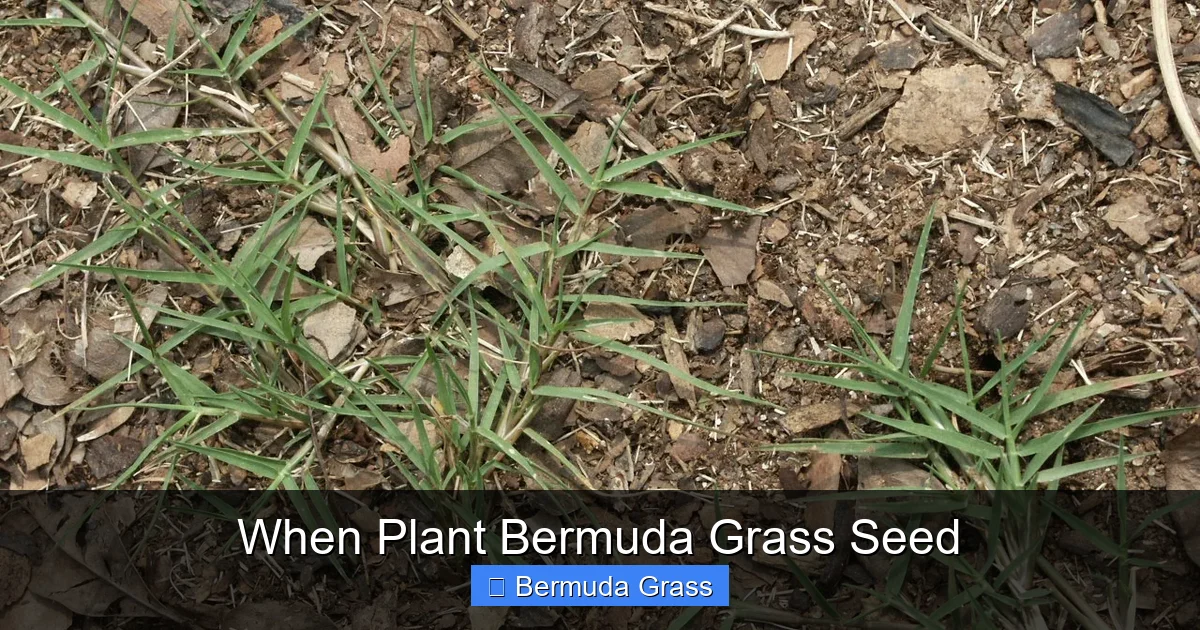
Visual guide about When Plant Bermuda Grass Seed
Image source: walterreeves.com
Optimal Soil Temperature for Bermuda Grass Seed
Bermuda grass seed germinates best when the soil temperature consistently reaches between 65°F and 80°F (18°C – 27°C). It can germinate at temperatures as low as 60°F, but it will be much slower and less reliable. Ideal germination happens when soil temperatures hover in the sweet spot of 70-75°F.
How do you measure soil temperature? You can use a soil thermometer, available at most garden centers. Insert it a couple of inches into the soil in the morning before the sun heats it too much. Take readings over several days to confirm consistency.
Optimal Air Temperature for Bermuda Grass Seed
While soil temperature is paramount, consistent air temperatures are also crucial. You’ll want daily air temperatures consistently above 80°F (27°C), especially during the day, for vigorous growth after germination. Warm nights are also beneficial for young seedlings.
Timing by Season: Late Spring to Early Summer
Translating these temperature requirements into a calendar, the best time to plant Bermuda grass seed is typically from late spring to early summer. This often means:
- April to June in the southernmost parts of the United States.
- May to July in more central “transition zone” areas.
The goal is to ensure that your new Bermuda grass seedlings have plenty of time to establish strong root systems before the cooler temperatures of fall and winter arrive. Bermuda grass needs a long growing season to become resilient enough to survive its first dormant period.
Why Not Earlier? The Risks of Cold Soil
Resist the urge to plant too early in the spring, even if the air feels warm. If the soil is still too cool (below 65°F), your Bermuda grass seed will simply sit dormant. This gives weeds, which often germinate at lower temperatures, a head start. Weeds will then compete with your struggling Bermuda grass for water, nutrients, and sunlight, making establishment much harder.
Why Not Later? The Risks of Fall Frost
Similarly, avoid planting Bermuda grass seed too late in the summer or into the fall. While the temperatures might still be warm enough for germination, the days are getting shorter, and the cooler nights will arrive quickly. Your new Bermuda grass won’t have enough time to develop a deep, robust root system before the first frost hits. Young, shallow-rooted seedlings are highly susceptible to winterkill, meaning they won’t survive the winter and you’ll have to start over next spring.
Step-by-Step Guide to Planting Bermuda Grass Seed for Success
Knowing when to plant Bermuda grass seed is half the battle; the other half is knowing how to do it right. Follow these steps when your timing is perfect:
Step 1: Test Your Soil and Prepare the Seedbed
Proper soil preparation is foundational for any successful lawn. Don’t skip this critical step!
- Soil Test: Start with a soil test. This will tell you your soil’s pH and nutrient levels. Bermuda grass prefers a soil pH between 6.0 and 7.0. Your local extension office can provide kits and analysis.
- Clear the Area: Remove any existing weeds, debris, rocks, or old turf. You want a clean slate.
- Amend the Soil: Based on your soil test, add necessary amendments. If your pH is off, add lime (to raise pH) or sulfur (to lower pH). Incorporate organic matter like compost to improve soil structure, drainage, and nutrient retention.
- Loosen the Soil: Loosen the top 4-6 inches of soil with a rototiller or garden fork. This provides a soft bed for roots to penetrate easily. Break up any large clods.
- Level the Surface: Rake the area smooth, ensuring there are no low spots where water might collect. A smooth surface leads to an even lawn.
- Apply Starter Fertilizer: Apply a starter fertilizer (high in phosphorus) according to package directions. This gives young seedlings the boost they need for root development. Lightly rake it into the top inch of soil.
Step 2: Choose Your Bermuda Grass Seed Wisely
Not all Bermuda grass seeds are created equal. Invest in quality.
- Hulled vs. Unhulled: Always choose hulled Bermuda grass seed. Hulled seeds have had their outer coating removed, allowing for faster and more uniform germination. Unhulled seeds germinate more slowly and erratically.
- Certified Seed: Look for certified seed from a reputable supplier. This ensures you’re getting the variety you paid for, with good germination rates and minimal weed contamination.
- Consider Your Climate: Some Bermuda grass varieties are more cold-tolerant or drought-resistant. Research varieties suitable for your specific region.
Step 3: Spread the Seed Evenly
Even distribution is key to avoiding patchy growth.
- Use a Spreader: A broadcast or drop spreader is essential for even application. Calibrate your spreader according to the seed package directions.
- Apply at Recommended Rate: Do not over-seed. Too much seed leads to overcrowding and competition among seedlings.
- Cross-Hatch Pattern: For best coverage, spread half the seed in one direction (e.g., north to south), then spread the remaining half in a perpendicular direction (east to west). This “cross-hatch” pattern helps ensure uniform coverage.
Step 4: Lightly Cover and Roll
After spreading, the seeds need good contact with the soil.
- Lightly Rake: Gently rake the seeded area to ensure the seeds are lightly covered with about 1/8 to 1/4 inch of soil. Don’t bury them too deep; they need sunlight to germinate.
- Roll the Area: Use a lawn roller (often available for rent) to gently roll the entire seeded area. This crucial step creates excellent seed-to-soil contact, which is vital for moisture absorption and successful germination.
Step 5: Water, Water, Water! (Crucial for Germination)
This is arguably the most critical step once the seeds are down.
- Keep Consistently Moist: For the first 2-3 weeks, or until germination is complete, the seedbed must be kept consistently moist. This means light, frequent watering sessions throughout the day (perhaps 3-5 times a day) to prevent the top layer of soil from drying out. The goal is moist, not soggy!
- Gentle Watering: Use a sprinkler that produces a fine mist to avoid washing away seeds.
- Germination Time: Bermuda grass seed typically germinates in 7-30 days, depending on temperature, moisture, and seed quality. Be patient!
- Reduce Frequency Gradually: Once the grass starts to emerge, you can gradually reduce the frequency of watering and increase the duration, encouraging roots to grow deeper.
Step 6: First Mow and Ongoing Care
Congratulations, your Bermuda grass is growing!
- First Mow: Mow your new Bermuda lawn when it reaches about 2-3 inches tall. Set your mower to its highest setting for the first few cuts. A sharp blade is essential to prevent tearing tender new blades.
- Fertilize Later: Wait until your Bermuda grass has been mowed 2-3 times, or about 4-6 weeks after germination, before applying a general lawn fertilizer. Follow package directions for new lawns.
- Weed Control: Be vigilant about weeds. Hand-pulling is often the best option for new lawns. Avoid using pre-emergent herbicides until your lawn is well-established (usually after a full growing season), as they can inhibit grass seed germination.
Factors That Influence When to Plant Bermuda Grass Seed
While the general guidelines are helpful, specific local conditions can fine-tune your timing:
- Climate Zone: Your USDA Hardiness Zone plays a role. Warmer zones will have an earlier and longer window for planting.
- Local Weather Patterns: Keep an eye on the extended forecast. Avoid planting just before an unseasonably cold snap or a week of torrential rain that could wash away seeds.
- Weed Pressure: If you’ve had significant weed problems in the past, waiting until soil temperatures are firmly in the Bermuda grass sweet spot can give your desired grass a competitive advantage over cooler-germinating weeds.
- Irrigation Availability: If you don’t have an irrigation system, make sure you can commit to hand-watering multiple times a day during the critical germination phase. Lack of consistent moisture is a top reason for planting failure.
What NOT to Do When Planting Bermuda Grass Seed
Just as important as knowing what to do, is knowing what to avoid:
- Don’t Plant Too Early: Cold soil leads to poor germination, seed rot, and major weed competition.
- Don’t Plant Too Late: Late summer/fall planting doesn’t allow enough time for establishment before winter, risking winterkill.
- Don’t Skimp on Soil Prep: A poorly prepared seedbed leads to uneven growth, poor root development, and an overall unhealthy lawn.
- Don’t Forget to Water: The most common mistake. Dry seeds won’t germinate. Period.
- Don’t Over-Seed: Too much seed creates competition, leading to weaker grass. Stick to the recommended rates.
- Don’t Use Herbicides Immediately: Many herbicides, especially pre-emergents, can harm new seedlings. Consult product labels carefully.
Troubleshooting Common Bermuda Grass Seed Planting Issues
Even with the best planning, sometimes things don’t go perfectly. Here are some common issues and their solutions:
- Poor or No Germination:
- Possible Causes: Soil too cold, insufficient watering, old/poor quality seed, buried too deep.
- Solutions: Check soil temperature. Ensure consistent moisture. Scrape away a bit of soil to see if seeds are present. If conditions were right and nothing happened after 3-4 weeks, consider re-seeding with fresh, high-quality seed.
- Patchy Growth:
- Possible Causes: Uneven seed distribution, uneven watering, compacted soil in certain areas.
- Solutions: Lightly rake patchy areas and re-seed, ensuring even distribution and good seed-to-soil contact. Focus extra watering on dry spots. Consider aerating heavily compacted areas next season.
- Weed Invasion:
- Possible Causes: Planting when soil was too cool, insufficient soil preparation, weeds germinating faster than Bermuda.
- Solutions: Hand-pull weeds carefully to avoid disturbing new grass. Avoid broadleaf herbicides on young Bermuda grass; wait until the lawn is mature. Improve soil preparation next time to minimize weed seed bank.
Conclusion
Planting Bermuda grass seed successfully is all about timing and meticulous preparation. By waiting for those ideal soil temperatures between 65-80°F in late spring to early summer, you set your lawn up for success. Couple that perfect timing with thorough soil preparation, careful seeding, and consistent watering, and you’ll be well on your way to enjoying a beautiful, resilient Bermuda grass lawn that can withstand the summer heat. Be patient, be diligent, and your efforts will be rewarded with a lush, green carpet perfect for outdoor living.