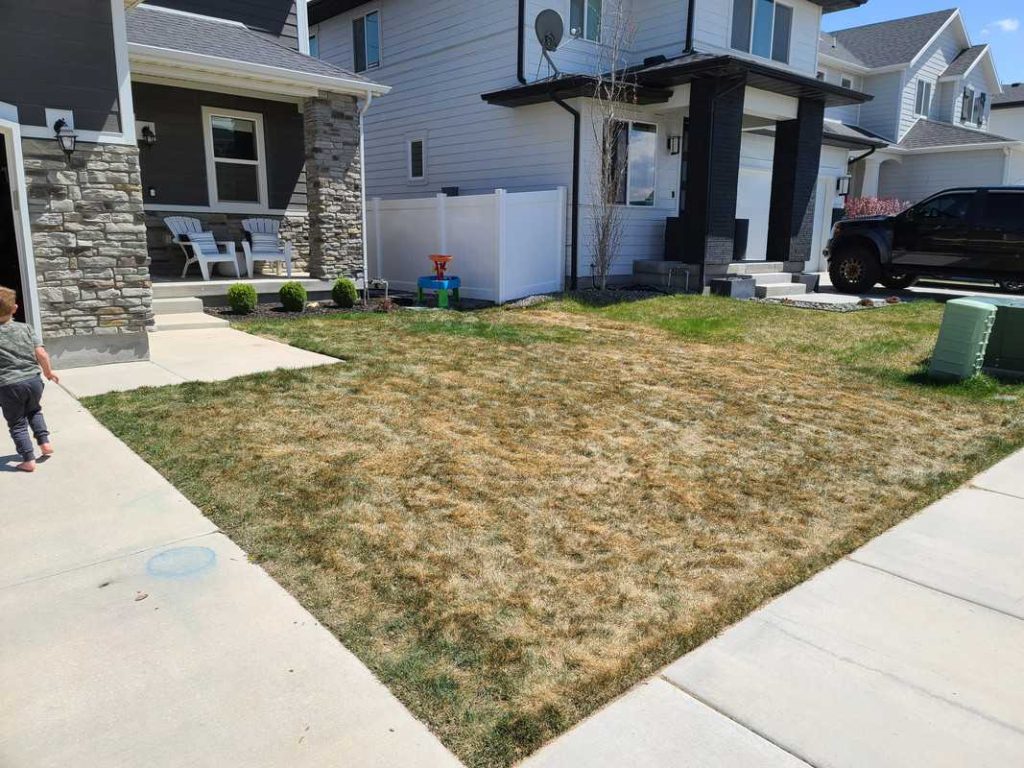
Kentucky bluegrass typically comes out of dormancy in early spring, with the exact timing depending on your local climate and weather patterns. Usually, you’ll notice green shoots emerging when soil temperatures reach around 50 to 55°F, signaling the start of active growth. This transition marks the end of winter’s dormancy, as the grass begins to regrow and prepare for the warmer months ahead.
In brief, Kentucky bluegrass usually wakes up from dormancy between late March and early April in most regions, although this can vary. The key factors influencing this process include soil temperature, air temperature, and local climate conditions. Understanding these cues can help you care for your lawn properly as it transitions from winter to spring.
As winter fades away, many homeowners eagerly watch for that first splash of vibrant green on their lawns—signaling the end of dormancy for Kentucky bluegrass. Knowing exactly when your grass will emerge can help you plan your lawn care routine, from fertilizing to aeration. Kentucky bluegrass is prized for its lush texture and resilience, but its awakening pace hinges on environmental cues. If you’re curious about the timing, keeping an eye on soil and air temperatures can give you a good idea of when your lawn will burst back to life, ensuring you’re ready to welcome spring with a healthy, beautiful yard.

When Does Kentucky Bluegrass Come Out of Dormancy?
Understanding Dormancy in Kentucky Bluegrass
Kentucky bluegrass is known for its lush, deep green appearance and soft texture. During colder months, it often enters a period of dormancy, which helps the grass survive harsh winter conditions. Dormancy in Kentucky bluegrass usually occurs when temperatures drop below 50°F (10°C) consistently.
Dormant bluegrass appears brown or dull in color and stops growing actively. This natural pause conserves energy and protects the grass from cold damage. Knowing when it comes out of dormancy helps homeowners and landscapers plan lawn care and aeration schedules.
Factors That Influence Dormancy and Come-Out Timing
Several factors affect when Kentucky bluegrass exits dormancy, including temperature, daylight hours, soil conditions, and moisture levels. Each of these elements plays a vital role in signaling the grass to resume active growth.
- Temperature: The key trigger for dormancy is dropping temperatures. When spring arrives and soil warms, bluegrass begins to wake up.
- Daylight Hours: Increasing daylight encourages photosynthesis, prompting the grass to grow again.
- Soil Conditions: Moist, well-drained soil helps grass roots revive faster in spring.
- Moisture Levels: Consistent rainfall or irrigation supplies necessary water for growth resumption.
Typical Timeline for Kentucky Bluegrass Coming Out of Dormancy
Most Kentucky bluegrass lawns wake up from dormancy in early spring, but this can vary depending on climate. In warmer regions, grass may begin greening as early as late February or early March. In colder areas, the process might start in late March or even April.
| Region | Approximate Timing | Notes |
|---|---|---|
| Southern states | Late February to early March | Warmer climate speeds up the process |
| Midwest and northern regions | March to April | Late spring for colder zones |
| High elevations or colder climates | April or later | Delayed greening due to cold weather |
Signs That Kentucky Bluegrass Is Coming Out of Dormancy
Several natural indicators reveal that bluegrass is waking from dormancy. Expect to see a change in color from brown or dull to vibrant green. New shoots and blade growth are signs that the grass is actively growing again.
Look for dewdrops or moisture on the grass blades in early morning, indicating increased activity. Additionally, the ground may feel softer and greener as roots resume growth. Regularly monitoring these signs helps you decide when to resume fertilization and lawn care routines.
Optimal Conditions for Spring Revival
For Kentucky bluegrass to come out of dormancy successfully, optimal conditions are essential. Consistently warm soil temperatures above 50°F (10°C) create an ideal environment for growth.
Furthermore, adequate sunlight, proper watering, and nutrient availability support healthy revival. Avoid overwatering or fertilizing too early, as this can stimulate disease or weed growth before the grass fully resumes.
How Temperature Affects Dormancy and Growth
Temperature plays a crucial role in the dormancy cycle of Kentucky bluegrass. When daytime temperatures reach above 50°F and nighttime temperatures stay above freezing, the grass starts coming out of dormancy.
Gradually rising temperatures in spring help trigger biochemical changes in the grass, promoting leaf emergence and root activity. Sudden cold spells during early spring can delay green-up, so patience is often necessary.
Managing Kentucky Bluegrass During Transition Periods
During the transition from dormancy to active growth, it’s important to manage your lawn properly. Avoid heavy traffic on the grass until it fully greens up to prevent damage.
Begin light fertilization with a balanced, slow-release fertilizer once the grass shows signs of growth. Keep the lawn well-watered, especially if rainfall is scarce, but avoid overwatering to prevent disease.
Common Challenges During Spring Green-Up
Several issues can arise as Kentucky bluegrass exits dormancy. Uneven greening might occur if some areas warm up faster than others. Patches of brown grass can persist, especially in shaded or colder spots.
Weed growth can also increase during this period, competing with bluegrass for nutrients. Proper lawn maintenance, such as aeration and overseeding, promotes uniform health and growth.
Benefits of Proper Timing for Lawn Care Activities
Timing your lawn care activities with bluegrass’s natural cycle enhances results. Fertilizing too early may encourage weed growth when roots are still weak, while late applications might not be effective.
Aeration and overseeding are best performed once the grass is actively growing and soil temperatures are stable. This ensures better seed germination and root establishment, resulting in a healthier, greener lawn.
Related Topics: Lawn Maintenance and Bluegrass Health
Understanding when Kentucky bluegrass emerges from dormancy is just one piece of lawn care.
- Proper watering techniques support growth during transition.
- Fertilizer schedules should align with the grass’s active growth stage.
- Aeration and overseeding improve soil conditions and fill in patchy areas.
- Dealing with pests and diseases early detection helps prevent damage as the lawn revives.
Summary: Key Takeaways on Kentucky Bluegrass Dormancy and Revival
To sum up, Kentucky bluegrass usually begins coming out of dormancy in early spring when temperatures consistently rise above 50°F. Signs such as a shift to vibrant green and new shoot growth indicate active revival.
Monitoring environmental factors like soil temperature and moisture levels ensures you can time lawn care activities effectively. Proper management during this period results in a healthy, attractive lawn ready for summer enjoyment.
Knowing the exact timing of bluegrass’s transition from dormancy helps you stay ahead with maintenance and care plans. Patience and careful observation are essential for a lush, green yard that thrives throughout the year.
When Does Kentucky Bluegrass go dormant?
Frequently Asked Questions
What environmental factors influence when Kentucky bluegrass emerges from dormancy?
Environmental conditions such as temperature, soil moisture, and daylight hours significantly impact when Kentucky bluegrass comes out of dormancy. Warmer temperatures in early spring, usually around 50-65°F (10-18°C), signal the grass to begin active growth. Adequate soil moisture from increased rainfall or watering also encourages the grass to recover from dormancy. Additionally, longer daylight hours stimulate photosynthesis, prompting the grass to break dormancy and resume growth.
How do temperature fluctuations in spring affect the dormancy cycle of Kentucky bluegrass?
Temperature fluctuations can delay or accelerate Kentucky bluegrass’s transition from dormancy. If early spring temperatures remain consistently low, the grass may stay dormant longer. Conversely, a sudden warm spell with daytime temperatures rising above 50°F (10°C) can prompt the grass to start greening and growing. Sudden dips in temperature after initial growth may cause temporary slowdown, but generally, sustained warmer temperatures trigger dormancy exit.
What signs indicate Kentucky bluegrass is coming out of dormancy?
Signs include the emergence of green shoots and increased overall greening of the lawn. You may notice the turf becoming more vibrant, with a noticeable shift from brown or dormant patches to lush green. Additionally, new growth may appear at the crown or tips of the grass blades, signaling that the grass has resumed its active growth phase after dormancy.
When is the typical time frame for Kentucky bluegrass to emerge from dormancy in different regions?
The timing varies based on geographic location and climate. In warmer regions like the southern United States, Kentucky bluegrass might come out of dormancy as early as late February to early March. In cooler northern areas, this process often occurs between April and May. Local climate patterns, elevation, and specific weather trends influence the precise timing of dormancy break.
How can lawn maintenance practices influence the timing of Kentucky bluegrass recovery?
Proper lawn care, such as aeration, fertilization, and watering, can promote healthy growth and encourage earlier dormancy exit. Applying a balanced fertilizer in early spring provides essential nutrients that stimulate growth. Ensuring the soil remains moist but not waterlogged supports root development. Avoiding excessive traffic and mowing at appropriate heights also helps the grass recover more quickly from dormancy and prepares it for the upcoming growing season.
Final Thoughts
When does kentucky bluegrass come out of dormancy? Typically, this grass begins to come out of dormancy in early spring when soil temperatures reach around 50°F. As days lengthen and temperatures rise, the grass starts to grow actively again.
Understanding this timing helps you plan lawn care activities effectively. Being aware of these cues ensures your turf stays healthy and vibrant throughout the seasons.