Knowing when do you seed Bermuda grass is crucial for a thriving lawn. The best time is late spring to early summer, when soil temperatures consistently reach 65-70°F (18-21°C). This optimal window ensures quick germination and strong growth, allowing the grass to establish well before colder weather arrives, setting your lawn up for long-term success.
When Do You Seed Bermuda Grass
Dreaming of that lush, vibrant green lawn that feels like a carpet underfoot? For many homeowners in warmer climates, Bermuda grass is the answer. It’s tough, beautiful, and can handle plenty of sunshine and traffic. But achieving that perfect Bermuda lawn starts with one incredibly important decision: timing. Knowing when do you seed Bermuda grass isn’t just helpful; it’s absolutely essential for success.
This comprehensive guide will walk you through everything you need to know about seeding Bermuda grass. We’ll explore the ideal conditions, pinpoint the best time of year, delve into crucial preparation steps, and even cover what to do once your seeds are in the ground. By the end of this, you’ll be equipped with the knowledge to give your Bermuda grass the best possible start, leading to a healthy, resilient lawn you can be proud of. Let’s dig in!
Key Takeaways
- Optimal Soil Temperature: The most critical factor for seeding Bermuda grass is consistent soil temperatures between 65-70°F (18-21°C). Use a soil thermometer to confirm this.
- Ideal Time of Year: Late spring to early summer is the golden window for planting Bermuda grass, typically from April to July, depending on your climate zone.
- Regional Adaptation: Your specific geographical location (warm-season or transition zone) will influence the exact timing. Always consult local extension offices for precise recommendations.
- Thorough Soil Preparation: Don’t skip soil testing and proper ground preparation. This includes clearing debris, amending the soil, and ensuring good seed-to-soil contact for successful germination.
- Consistent Moisture is Key: After seeding, the area must be kept consistently moist (but not waterlogged) for the first 2-3 weeks to promote germination and early growth.
- Avoid Extremes: Seeding too early into cold soil or too late into excessive heat or approaching frost greatly reduces germination rates and establishment success.
- Patience Pays Off: Bermuda grass can take 7-30 days to germinate. Be patient and maintain optimal conditions for the best results.
The Golden Window: Ideal Temperatures for Seeding Bermuda Grass
The single most critical factor determining when you should seed Bermuda grass is temperature. Bermuda grass is a warm-season turfgrass. This means it thrives in heat and actively grows when temperatures are high. Planting it in cold soil is a recipe for failure.
Understanding Soil Temperature
Forget about the air temperature for a moment; the soil temperature is what truly matters to your Bermuda grass seeds. For optimal germination, Bermuda grass seeds need consistent soil temperatures between 65-70°F (18-21°C). Why is this so important? When the soil is too cold, the seeds will either lie dormant and potentially rot, or they’ll germinate very slowly and weakly, making them vulnerable to diseases and pests.
How do you check soil temperature? The best way is to use a soil thermometer. Insert it about 2-3 inches deep into the soil for several consecutive days, preferably in the morning. Look for readings that consistently stay within that 65-70°F range. This consistency tells you the soil has warmed up enough to support vigorous seed growth.
Air Temperature as a Guide
While soil temperature is king, air temperature can give you a good preliminary idea of when to start thinking about seeding. Generally, when daily air temperatures are consistently in the 80s°F (27-32°C) and nighttime temperatures don’t dip below 60°F (15°C), your soil is likely getting close to the optimal range. However, always confirm with a soil thermometer. A few warm days won’t make the soil warm enough if there have been cold nights recently.
Regional Considerations: Adapting to Your Climate Zone

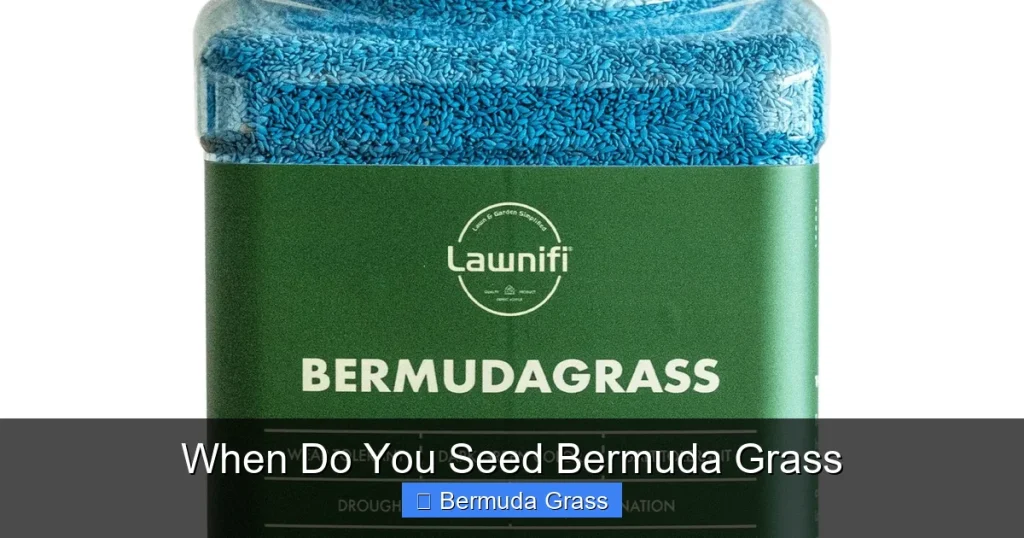
Visual guide about When Do You Seed Bermuda Grass
Image source: m.media-amazon.com
The timing of when you seed Bermuda grass also depends heavily on where you live. The United States is divided into different climate zones, and Bermuda grass thrives in specific ones.
Warm-Season Grass Zones
If you live in the deep South, Southwest, or Southeast (USDA Plant Hardiness Zones 7-10), you’re in the prime warm-season grass territory. In these areas, the window for seeding Bermuda grass opens earlier and stays open longer. You might be able to start as early as April and continue through July. The key is monitoring those soil temperatures.
What About the Transition Zone?
The transition zone is a band across the central and upper South where both warm-season and cool-season grasses can grow, but neither truly dominates. If you’re in this zone, timing is even more critical. You’ll typically have a shorter window for successful Bermuda grass seeding. Aim for late spring to early summer – think May through June – to ensure your young grass has enough time to establish before the heat of summer becomes too intense or before the cooler fall temperatures arrive.
Always check with your local university extension office. They can provide specific recommendations for your exact microclimate, taking into account local weather patterns and historical data.
The Best Time of Year: Spring and Early Summer
Combining temperature and regional considerations, we can pinpoint the best time of year to seed Bermuda grass: late spring to early summer.
Why Spring is Prime Time
Spring offers the perfect balance. As winter fades, soil temperatures gradually climb into the ideal range. The days are getting longer, providing plenty of sunlight, and there’s often sufficient rainfall. Seeding in late spring (April to May, depending on your location) gives your Bermuda grass seeds ample time to germinate and develop a strong root system before the most intense summer heat sets in. This early establishment makes the grass more resilient to drought and stress later in the season.
Early Summer for Late Starters
If you miss the late spring window, early summer (June to early July) can still be a good time to seed Bermuda grass, especially in the warmer parts of the warm-season zones. The soil temperatures will definitely be warm enough, and the grass will grow vigorously. However, you’ll need to be extra diligent with watering, as the summer sun can dry out newly seeded areas very quickly. Be cautious about seeding too late in summer, as the grass needs time to mature before potential fall frosts.
Avoiding Common Seeding Mistakes
Knowing when do you seed Bermuda grass is half the battle. Avoiding common timing mistakes will ensure your efforts aren’t wasted.
Seeding Too Early (Cold Soil)
This is perhaps the most common mistake. People get eager at the first signs of spring and spread their seeds when the soil is still too cold. As mentioned, cold soil leads to poor germination, seed rot, or weak seedlings that struggle to survive. You might see some sporadic growth, but it won’t be a uniform, dense lawn. Patience is key! Wait for those consistent soil temperatures.
Seeding Too Late (Hot Soil/Frost)
Seeding too late in the summer can also be problematic. While Bermuda grass loves heat, extreme summer temperatures combined with intense sun can quickly dry out delicate seedlings, making consistent watering a challenge. More critically, if you seed too late in the summer or early fall, the young grass won’t have enough time to mature and develop a strong root system before cooler temperatures and potential frosts arrive. This can lead to winter kill, where your new lawn simply doesn’t survive the cold months. Aim to have your Bermuda grass well-established at least 60-90 days before the first anticipated frost date in your area.
Not Preparing the Soil
While not strictly a timing mistake, poor soil preparation often accompanies mistimed seeding. Even at the perfect time, seeds won’t thrive in compacted, nutrient-poor soil full of debris. We’ll cover proper preparation next.
Step-by-Step: Preparing for Bermuda Grass Seeding
Before you even think about scattering those precious seeds, proper soil preparation is paramount. This foundational work dramatically increases your chances of successful Bermuda grass establishment.
Soil Testing is Key
Start with a soil test. This simple step will tell you the pH of your soil and its nutrient levels. Bermuda grass prefers a slightly acidic to neutral pH (between 6.0 and 7.0). The test results will also recommend any necessary amendments, like lime to raise pH or sulfur to lower it, and suggest appropriate fertilizers. Get your soil test done a few weeks before your target seeding date so you have time to make amendments.
Clearing the Area
Remove any existing weeds, old grass, rocks, or debris from the area you plan to seed. For existing weeds, you might use a non-selective herbicide (following all label instructions) a couple of weeks before tilling, or you can opt for manual removal. Good seed-to-soil contact is essential, and weeds will compete aggressively with your new Bermuda grass seedlings.
Amending the Soil
Based on your soil test results, spread any recommended amendments (like compost, peat moss, or sand for drainage issues) evenly over the area. This is also a good time to add a starter fertilizer, which is typically high in phosphorus to encourage root development.
Leveling and Firming
After adding amendments, till or rake the soil to a depth of 4-6 inches. Break up any large clumps and create a smooth, level surface. Uneven areas can lead to poor drainage and patchy growth. Once leveled, lightly roll the area with a lawn roller or walk over it to create a firm seedbed. You want the soil to be firm enough that you don’t sink when you walk on it, but not compacted. This ensures good seed-to-soil contact without hindering root growth.
The Seeding Process Itself
With your soil perfectly prepared and the timing just right, it’s time to spread your Bermuda grass seed.
Choosing Your Seed
There are many varieties of Bermuda grass seed available. Research which varieties are best suited for your climate and desired lawn characteristics (e.g., fine texture, drought tolerance, traffic tolerance). Always buy high-quality seed from a reputable supplier. Check the seed label for germination rates and purity.
Spreading the Seed Evenly
Use a broadcast spreader for larger areas or a drop spreader for more precise application. Calibrate your spreader according to the seed manufacturer’s recommendations. Divide your seed in half and make two passes over the area, with the second pass perpendicular to the first. This helps ensure even coverage and avoids streaking or patchy results.
Lightly Raking or Rolling
After spreading the seed, you want to ensure good seed-to-soil contact. Lightly rake the area with a leaf rake, just enough to barely cover the seeds with about 1/8 to 1/4 inch of soil. You can also use a lawn roller to gently press the seeds into the soil. Avoid burying the seeds too deeply, as this will hinder germination.
Watering, Watering, Watering
This is one of the most critical steps after spreading the seed. Immediately after seeding, thoroughly water the area. The top inch of soil needs to be moist. For the next 2-3 weeks, or until the seeds have germinated and the seedlings are established, you’ll need to water lightly and frequently. This usually means 2-3 times a day, for short durations (5-10 minutes), to keep the top layer of soil consistently moist without creating puddles.
Post-Seeding Care: Nurturing Your New Lawn
Your job isn’t done once the seeds are down. Proper post-seeding care is vital for a healthy, established Bermuda grass lawn.
Consistent Moisture is Critical
Continue the light, frequent watering schedule. Let the soil dry out, and your delicate seedlings will likely die. As the grass grows taller, you can gradually reduce the frequency and increase the duration of watering, training the roots to grow deeper. Once established, Bermuda grass prefers deep, infrequent watering.
First Mowing
Resist the urge to mow too early! Wait until your new Bermuda grass is about 2-3 inches tall before its first cut. Make sure your mower blades are sharp to avoid tearing the tender grass. Set your mower to its highest setting for the first few mows to reduce stress on the young plants.
Fertilizing Your Young Bermuda Grass
If you used a starter fertilizer during soil preparation, you typically won’t need to fertilize again until your grass is well-established, usually 4-6 weeks after germination. At that point, use a balanced fertilizer or one slightly higher in nitrogen to promote lush green growth, following the product’s instructions carefully.
Weed Control for New Lawns
Weeds are a common challenge for new lawns. It’s crucial to avoid using pre-emergent herbicides when seeding Bermuda grass, as they will prevent your grass seeds from germinating. For post-emergent weed control, wait until your Bermuda grass has been mowed at least 2-3 times, or is at least 6-8 weeks old, before applying any herbicides. Always use a product labeled safe for young Bermuda grass and follow the instructions precisely. Hand-pulling weeds is often the safest option for very young lawns.
Troubleshooting Common Seeding Issues
Even with the best planning, sometimes things don’t go perfectly. Here are a couple of common issues and what they might mean.
Why Didn’t My Seed Germinate?
If your Bermuda grass seeds aren’t germinating after 3-4 weeks (they typically start within 7-30 days):
- Soil Temperature: Was the soil too cold? This is the most common reason for failure.
- Watering: Did the soil dry out during the critical germination phase, or was it waterlogged?
- Seed Depth: Were the seeds buried too deeply, preventing them from getting enough light and oxygen?
- Old Seed: Was your seed old or of poor quality with a low germination rate?
- Pests/Birds: Did birds or other pests eat your seeds?
Identify the issue and consider re-seeding the affected areas if conditions are still optimal.
My Lawn is Patchy – What Now?
Patchy growth can be frustrating. This often points to uneven seed distribution, inconsistent watering, or varying soil conditions across the lawn.
- Spot Seeding: For small bare spots, lightly rake the area, spread a small amount of seed, and cover it lightly with soil. Water these patches diligently.
- Soil Issues: If patches consistently fail in certain areas, revisit your soil test. There might be a localized pH imbalance, nutrient deficiency, or drainage problem.
- Compaction: Highly trafficked areas can become compacted, hindering root growth. Consider aerating these spots.
Address the underlying cause before attempting to re-seed.
Conclusion
Knowing exactly when do you seed Bermuda grass is the foundational step to cultivating a beautiful, resilient lawn. By understanding the critical role of soil temperature, respecting regional climate zones, and carefully executing each step from preparation to post-seeding care, you are setting your Bermuda grass up for immense success. Remember, patience and consistency are your best friends in this process. While it requires effort, the reward of a lush, emerald green Bermuda lawn that can withstand summer’s heat and activity is truly worth it. So, grab that soil thermometer, choose your seeds wisely, and get ready to enjoy the vibrant beauty of your new Bermuda grass lawn!