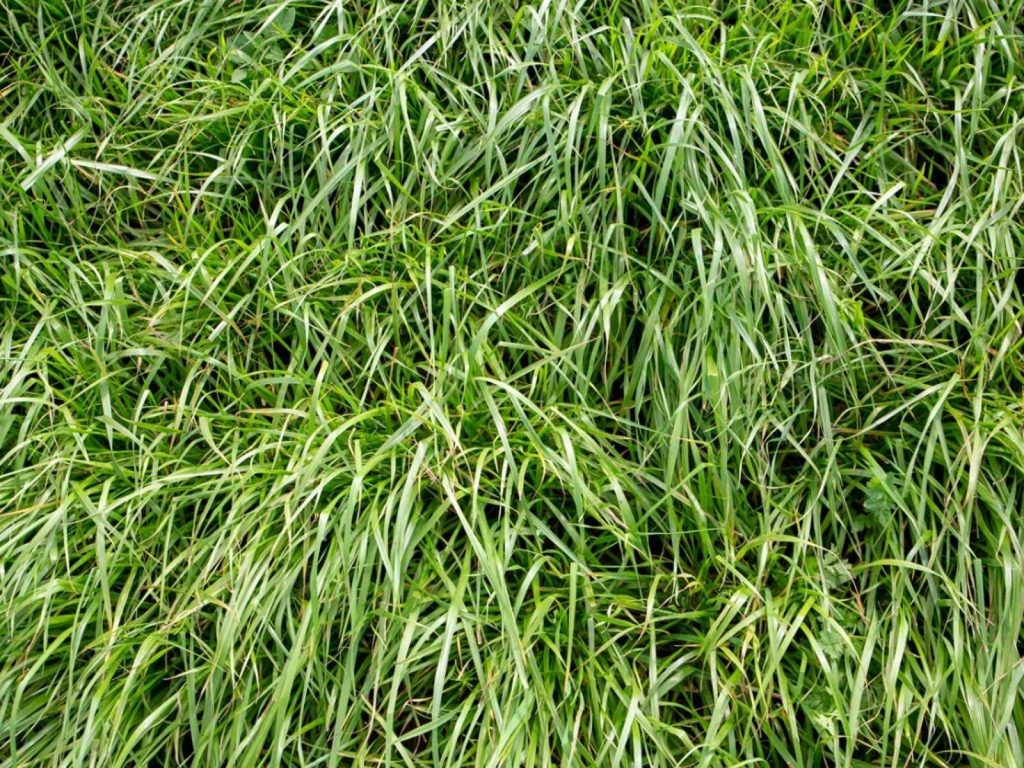
The best time to plant ryegrass is in early fall or late summer when the soil is warm yet moist, providing ideal conditions for germination. Planting during these periods ensures a lush, healthy turf that will thrive throughout the cooler months. Ryegrass is a popular choice for overseeding lawns or establishing new patches because it germinates quickly and maintains vibrant green coverage. The key is timing your planting to match the soil and weather conditions, avoiding the heat of midsummer or the cold of winter. Proper planning means you’ll enjoy a resilient, attractive lawn with minimal effort. Whether you’re reseeding a patch or starting fresh, knowing the right planting window for ryegrass is essential for a thriving, beautiful yard.
Ryegrass should ideally be planted in early fall or late summer when soil temperatures are warm but not too hot. This timing allows the grass to establish well before the colder months, ensuring a lush, healthy lawn. Planting at the right time maximizes germination success and promotes vigorous growth, giving you a stunning green space to enjoy year-round.

When Do You Plant Ryegrass? A Complete Guide
Understanding the Ideal Planting Time
Planting ryegrass at the right time is essential for a lush, healthy lawn or pasture. Usually, the best time to plant ryegrass depends on your local climate and the type of ryegrass you choose. The goal is to ensure the seeds have enough warm soil and moisture to germinate quickly and grow strong.
In most regions, ryegrass is a cool-season grass, meaning it thrives in cooler months. It is best to plant in early fall or early spring when temperatures are moderate. Planting during these periods helps the grass establish before extreme weather conditions hit.
Types of Ryegrass and Their Planting Seasons
There are two main types of ryegrass: perennial and annual. Each has different planting windows suited for specific purposes. Perennial ryegrass is often planted in the fall for long-term lawns, while annual ryegrass is typically sown in early spring or fall for temporary cover or immediate pasture needs.
Perennial ryegrass is best planted in September or October in most areas. It can also be sown in early spring, around March or April, especially in warmer regions. Annual ryegrass should be planted in late summer or early fall, roughly from August to October, depending on your location.
The Role of Climate in Timing Ryegrass Planting
Climate plays a significant role in determining the perfect planting time for ryegrass. Cooler regions with mild winters allow for planting in early fall or even late summer. Warmer climates may require planting in early spring to avoid the heat of summer.
In areas with harsh winters, planting in early spring is recommended once the soil warms up. Conversely, in regions with hot summers, planting in late summer or early fall ensures the grass establishes before the extreme heat sets in. Always consider your local weather patterns when planning your planting schedule.
Soil Preparation Before Planting Ryegrass
Preparing your soil correctly ensures successful ryegrass growth. Clear the area of weeds, rocks, and debris. Loosen the soil to a depth of about 4 to 6 inches to improve aeration.
Test your soil to check its pH level, ideally between 5.5 and 7.0 for ryegrass. Amend the soil with compost or fertilizer as needed to provide nutrients. Proper soil preparation creates an ideal environment for seed germination and healthy root development.
Optimal Soil Temperature for Ryegrass Germination
Ryegrass seeds germinate best when soil temperatures range between 50°F and 75°F. In cooler soils, germination may be delayed, or seeds may not sprout at all. Warm soils encourage faster germination, so timing your planting when soil reaches the optimal temperature is crucial.
In early spring, monitor soil temperatures using a soil thermometer. If the soil is too cold, consider delaying planting until it warms up. In fall, ensure soil remains warm enough to support healthy germination.
Step-by-Step Guide to Planting Ryegrass
- Choose the right time based on your location and climate.
- Prepare the soil by clearing debris and tilling.
- Test and amend the soil for optimal pH and nutrients.
- Spread the ryegrass seed evenly across the prepared soil.
- Cover the seeds lightly with soil or mulch, about 1/4 inch deep.
- Water gently but thoroughly to moisten the soil.
Repeat watering regularly to keep the soil consistently moist, especially during the first few weeks. Proper watering encourages germination and seedling growth.
Factors That Affect Ryegrass Establishment
Several factors influence how well ryegrass establishes after planting. These include soil quality, watering practices, sunlight exposure, and pest control.
Ensure the site receives at least six hours of direct sunlight daily. Water the area regularly to maintain soil moisture but avoid overwatering, which can cause seed rot. Monitor for pests and weeds that may compete with young grass for nutrients.
How to Extend the Growing Season for Ryegrass
Using techniques like overseeding and proper fertilization can extend the ryegrass growing season. Overseeding in early fall can boost lawn density before winter.
Applying a balanced fertilizer once the grass has established promotes healthy growth. Mulching or aerating the soil can also improve moisture retention and root development, helping the grass stay healthy through cooler months.
Seasonal Tips for Ryegrass Planting
– Spring: Plant when soil warms to at least 50°F. Avoid late frosts that can damage new seedlings.
– Fall: Sow in early fall before temperatures drop significantly. This gives the grass time to establish before winter.
– Summer: Usually not ideal for planting ryegrass due to high temperatures and drought stress unless irrigated heavily.
– Winter: Ryegrass can be overseeded in mild climates or sown in early spring after winter passes.
Common Mistakes to Avoid When Planting Ryegrass
- Planting seeds too deeply, which can hinder germination.
- Overwatering, leading to seed rot or fungal diseases.
- Planting during extreme temperatures or drought conditions.
- Neglecting soil preparation and pH testing.
- Skipping proper seed coverage, resulting in uneven growth.
Avoid these pitfalls by timing your planting carefully, preparing the soil well, and maintaining proper watering practices.
Additional Topics Related to Ryegrass Planting
Mixing Ryegrass with Other Grasses
Combining ryegrass with fescue or bluegrass can create a more resilient lawn, especially in varying weather conditions. Mix seeds evenly for better coverage and durability.
Overseeding Existing Lawns with Ryegrass
Overseeding can improve lawn density and fill bare patches. Choose the appropriate time and follow soil preparation steps for best results.
Maintaining a Ryegrass Lawn
Regular mowing, watering, and fertilization are crucial for maintaining healthy ryegrass. Keep mowing height between 2 and 3 inches to promote deep roots and drought resistance.
Using Ryegrass for Erosion Control or Pasture
Ryegrass is ideal for quick coverage and erosion control on slopes or bare soil. It is also widely used in pastures for grazing animals, thanks to its rapid growth and nutrient content.
Summary of Key Points
– The best planting times are early fall and early spring, depending on your climate.
– Proper soil preparation and seed-to-soil contact are vital for success.
– Monitor soil temperature and keep soil moist to ensure germination.
– Avoid planting during extreme heat, drought, or cold snaps.
– Use appropriate aftercare practices to keep your ryegrass healthy.
Plantting ryegrass at the right time sets the foundation for a verdant, healthy lawn or pasture. By considering your local climate, soil conditions, and choosing the proper planting window, you can enjoy a thriving ryegrass area that lasts through seasons.
Perennial Ryegrass Pros and Cons
Frequently Asked Questions
What is the best season to plant ryegrass for optimal growth?
The ideal time to plant ryegrass depends on your climate, but generally, the best seasons are in early spring or early fall. These periods provide moderate temperatures and adequate moisture, which help the grass establish quickly. Avoid planting during the peak of summer or winter when extreme weather conditions can hinder germination and growth.
How does soil temperature influence the timing of ryegrass planting?
Soil temperature plays a crucial role in ryegrass germination. Ryegrass seeds generally germinate best when soil temperatures are between 50°F and 75°F (10°C to 24°C). If the soil remains too cold or too hot, germination slows down or stops altogether. Monitoring soil temperature helps you choose the right time to plant and ensures healthy seedling development.
Can I plant ryegrass in late fall or winter?
Planting ryegrass in late fall can be successful in milder climates, especially if you want quick ground cover before winter. However, in colder regions, planting in winter is not suitable because freezing temperatures can damage young plants. If you choose to plant in late fall, aim for a period when the ground is still workable and avoid times of heavy frost or snow.
How should weather patterns guide your planting schedule?
Consistently mild weather with adequate rainfall signals the right time to plant ryegrass. Avoid planting during dry spells or periods of extreme heat, as these conditions can hinder germination. Tracking weather forecasts and soil moisture levels helps you select a window that supports healthy growth and strong establishment.
What preparations should you make before planting ryegrass?
Before planting, prepare your soil by removing weeds and debris, and tilling the surface to create a smooth, level bed. Ensuring proper soil fertility through amendments or fertilization boosts germination and growth. Timing your planting after soil has been adequately prepared and when environmental conditions are favorable results in a quicker and more vigorous establishment.
Final Thoughts
Le moment idéal pour planter la raygrass dépend de votre climat. En général, il est préférable de semer à l’automne ou au début du printemps lorsque les températures sont modérées. Cela permet au gazon de s’établir avant les périodes de forte chaleur ou de froid intense.
Veillez à préparer le sol en le nivelant et en enlevant les mauvaises herbes pour favoriser une croissance saine. Arrosez régulièrement pour maintenir le sol humide.
Quand do you plant ryegrass, il est crucial de choisir la bonne saison. La réponse réside principalement dans votre région et dans les conditions climatiques locales pour assurer une croissance optimale.