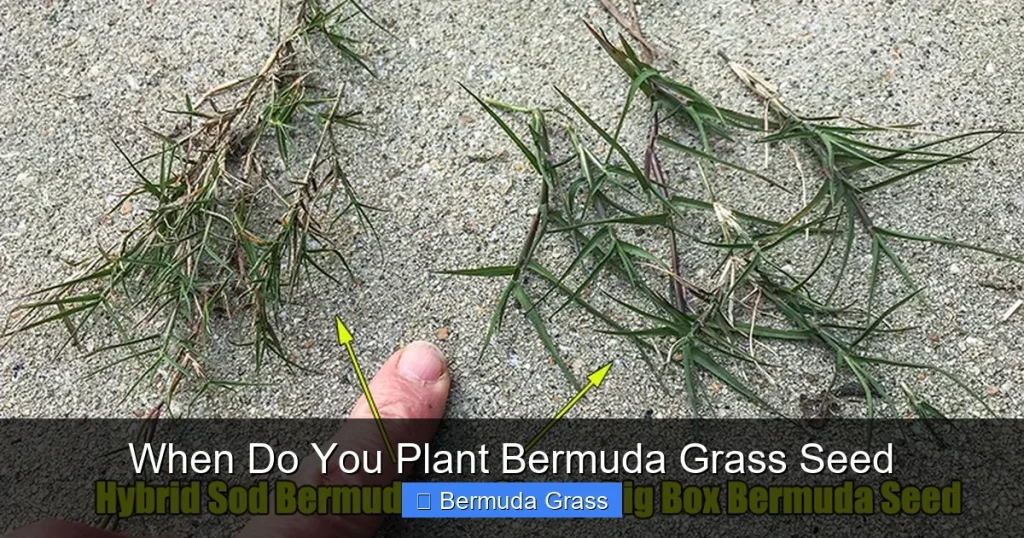
Planting Bermuda grass seed requires precise timing for success. The absolute best time is late spring to early summer, specifically when soil temperatures consistently reach 65-70°F (18-21°C). This warmth ensures rapid germination and strong root development, giving your new Bermuda grass a head start against weeds and cold weather. Understanding your local climate and historical frost dates is crucial for choosing the optimal planting window.
When Do You Plant Bermuda Grass Seed?
Hey there, fellow lawn enthusiast! Are you dreaming of that beautiful, resilient, sun-loving Bermuda grass lawn? It’s a fantastic choice for many climates, known for its durability and vibrant green color. But achieving that lush carpet starts with one crucial decision: knowing exactly when to plant Bermuda grass seed.
It might seem simple, but timing is everything when it comes to seeding Bermuda grass. Plant it too early, and the seeds might just sit there, or worse, struggle and die. Plant it too late, and your young grass won’t have enough time to establish itself before the cold weather hits. In this comprehensive guide, we’re going to dive deep into the ideal planting windows, the critical factors to consider, and give you all the practical tips you need to ensure your Bermuda grass seed flourishes into the lawn of your dreams. By the end, you’ll be an expert on the “when” of planting Bermuda grass seed, setting yourself up for success!
Key Takeaways
- Optimal Timing: The best time to plant Bermuda grass seed is in late spring to early summer, typically from late April to July, depending on your specific region.
- Soil Temperature is King: Air temperature can be misleading. Always aim for consistent soil temperatures between 65-70°F (18-21°C) for ideal germination and root establishment.
- Avoid Early & Late Planting: Planting too early risks cold shock and poor germination, while planting too late doesn’t allow enough time for the grass to establish before cooler fall temperatures arrive.
- Warm-Season Grass Nature: Bermuda grass is a warm-season grass, meaning it thrives in heat. Its growing season spans from late spring through summer, going dormant in cooler months.
- Consistent Moisture is Crucial: After planting Bermuda grass seed, consistent, light watering is absolutely essential to keep the seeds moist until they germinate and establish.
- Weed Competition: Planting at the right time helps Bermuda grass germinate quickly, giving it a competitive edge against cooler-season weeds that might otherwise take over.
Understanding Bermuda Grass: A Warm-Season Lover
Before we talk about planting times, let’s briefly understand what Bermuda grass is all about. It’s a warm-season grass, which means it absolutely loves the heat. Unlike cool-season grasses that thrive in spring and fall, Bermuda grass truly comes alive when temperatures are consistently warm or hot. Its active growth season typically runs from late spring through summer, and it goes dormant (turns brown) during cooler fall and winter months.
This inherent nature tells us a lot about when it prefers to be planted. It needs warmth – and not just air warmth, but soil warmth – to germinate, grow, and establish itself properly.
The Golden Rule: Soil Temperature is King
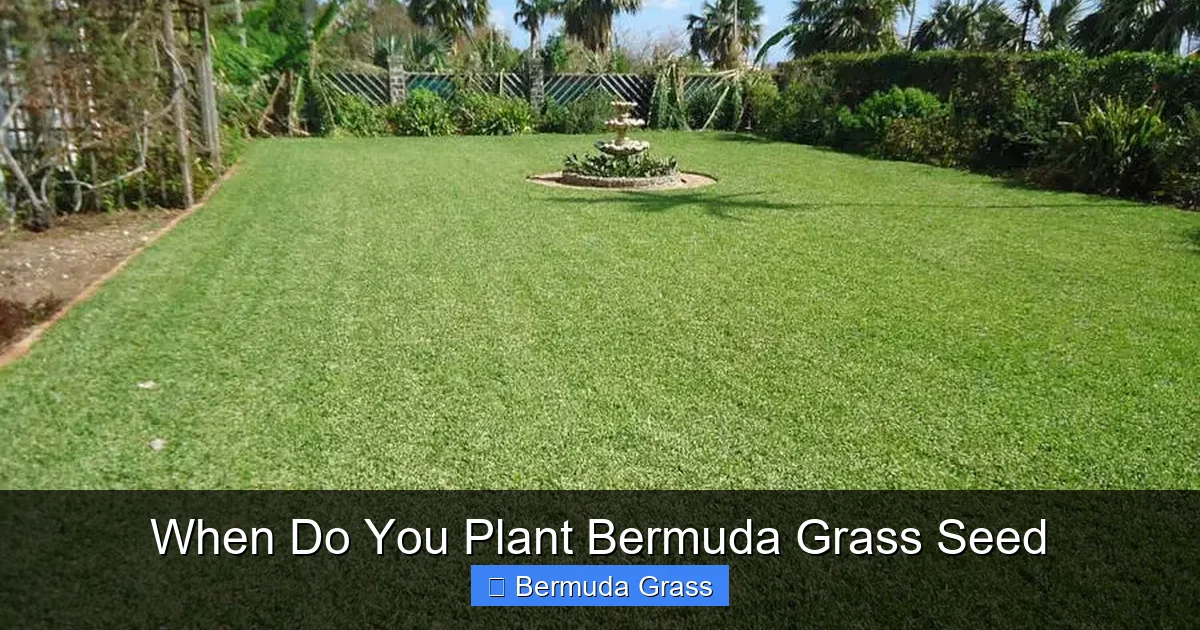
Visual guide about When Do You Plant Bermuda Grass Seed
Image source: lawnandpetal.com
If there’s one thing you take away from this guide, let it be this: soil temperature is the single most important factor when deciding when to plant Bermuda grass seed.
Why Soil Temperature Matters More Than Air Temperature
You might check the weather forecast and see glorious 70°F days, but the ground underneath could still be quite cool from the winter. Bermuda grass seed needs consistent warmth to break dormancy and sprout. Air temperature can fluctuate wildly throughout the day, but soil temperature changes much more slowly. A consistently warm soil temperature signals to the seed that conditions are stable and favorable for growth.
The Ideal Soil Temperature Range
For optimal germination of Bermuda grass seed, you’re looking for soil temperatures to consistently be between 65-70°F (18-21°C), and even up to 80°F (27°C) is perfectly fine. At these temperatures, the seeds will germinate quickly and efficiently, typically within 7-14 days. If the soil is cooler, germination will be slower, spotty, or may not happen at all.
How to Measure Soil Temperature
You can purchase an inexpensive soil thermometer from most garden centers or online. Simply push it into the soil about 2-3 inches deep in a sunny spot in your yard. Take readings for a few consecutive days in the late morning or early afternoon to get an average. You want to see that consistent 65-70°F range before you sow your Bermuda grass seed.
Geographic Considerations: Your Zone Matters
The “when” also depends heavily on where you live. Bermuda grass is primarily grown in USDA Hardiness Zones 7-11, which encompass the southern half of the United States and the transition zone.
Planting Bermuda Grass Seed in the Transition Zone (USDA Zones 7-8)
The transition zone is where both warm-season and cool-season grasses can grow, making it a bit trickier.
- Best Time: Late spring to early summer is still the prime window. Aim for late April through early June.
- Why: This timing allows the Bermuda grass seed to establish well before the intense summer heat fully arrives and, more importantly, gives it maximum time to develop a strong root system before the first fall frost.
- Caution: Don’t plant too late in the summer (e.g., August), as the young grass might not be robust enough to survive the coming winter dormancy.
Planting Bermuda Grass Seed in Southern Zones (USDA Zones 9-11)
In the deep South, where warm temperatures last much longer, you have a bit more flexibility.
- Best Time: Late spring through mid-summer. You can typically plant Bermuda grass seed from May through July.
- Why: The longer growing season means your grass has ample time to mature before winter. Even if planted later in the summer, it usually has enough warm weather to establish.
- Caution: While you have more flexibility, still avoid planting too close to the very end of summer, as it’s always better to give the grass as much establishment time as possible.
Ideal Planting Seasons: A Closer Look
Late Spring: The Primary Recommendation
This is, hands down, the best time to plant Bermuda grass seed.
- Typical Months: Late April, May, and early June.
- Why it’s Ideal:
- Rising Soil Temperatures: By late spring, the soil has usually warmed consistently into that 65-70°F sweet spot.
- Optimal Growing Conditions: You get a long stretch of warm weather ahead, providing the perfect environment for quick germination and robust growth.
- Reduced Weed Pressure: Many cooler-season weeds have already peaked and are starting to decline, giving your Bermuda grass seedlings less competition.
- Long Establishment Period: Planting now gives your new lawn a full summer to mature and strengthen its root system before the dormant winter period.
Early Summer: A Secondary Option
If you missed the late spring window, early summer can still be a good time.
- Typical Months: June and early July.
- Why it Works: Soil temperatures are definitely warm enough, ensuring quick germination. The long, sunny days provide plenty of energy for growth.
- Considerations:
- Increased Heat Stress: Young seedlings might need more frequent watering to combat intense summer heat.
- Potential for Summer Weeds: Some summer annual weeds can be aggressive, so be prepared to manage them.
- Slightly Less Establishment Time: While generally sufficient, it gives the grass a slightly shorter period to establish before fall compared to a late spring planting.
Why Fall/Winter is a Bad Idea for Bermuda Grass Seed
Just don’t do it! Planting Bermuda grass seed in fall or winter is almost guaranteed to fail.
- Cold Soil: The soil is too cold for germination. The seeds will either sit dormant and be eaten by birds/washed away, or they will sprout weakly and die.
- Frost Damage: Even if a few seeds miraculously sprout, young Bermuda grass seedlings are highly susceptible to frost and will not survive winter temperatures.
- Weed Competition: Cool-season weeds thrive in fall and winter, easily outcompeting any struggling Bermuda grass.
Other Factors Influencing Your Planting Schedule
While soil temperature is paramount, a few other elements can fine-tune your “when.”
Local Climate and Weather Patterns
Keep an eye on your local long-range forecast. Are there any unusually late cold snaps predicted? Or perhaps an early onset of extreme heat? Adjust your timing by a week or two if necessary to avoid adverse conditions.
Last Spring Frost Dates
Knowing your average last spring frost date is crucial. Even if soil temperatures are rising, a sudden late frost can damage or kill tender young seedlings. Aim to plant Bermuda grass seed at least 2-3 weeks *after* your average last frost date.
Weed Pressure
If your lawn historically suffers from specific weed types, knowing their germination cycle can help. Planting Bermuda grass seed when your desired grass is most vigorous and weeds are less so gives it a competitive edge. Bermuda grass thrives when temperatures are high, often out-competing many undesirable weeds at that time.
Irrigation Availability
New Bermuda grass seed needs consistent moisture. If you don’t have access to a reliable irrigation system or can’t commit to frequent hand-watering, you might need to delay planting until you can ensure this crucial step.
Step-by-Step Guide to Planting Bermuda Grass Seed (Briefly)
While this guide focuses on “when,” knowing the “how” briefly helps contextualize the timing. Once you’ve determined the ideal time to plant Bermuda grass seed, here’s a quick overview of the next steps.
1. Soil Preparation
This is a critical step that many skip, but it makes a huge difference.
- Soil Test: Get a soil test done a few months before planting. This tells you what nutrients your soil needs.
- Amend the Soil: Based on the test, add necessary amendments like compost to improve soil structure and fertility.
- Clear the Area: Remove existing weeds, debris, and old grass. You can use a non-selective herbicide or manual removal.
- Till the Soil: Loosen the top 4-6 inches of soil.
- Level the Area: Rake the area smooth, filling in low spots. This prevents water pooling and ensures even growth.
2. Choosing Your Seed
Not all Bermuda grass seed is created equal.
- Quality Matters: Invest in high-quality, hulled Bermuda grass seed from a reputable supplier. Hulled seed germinates faster.
- Type: Decide if you want common Bermuda grass or a specific hybrid variety, which might offer better color, texture, or drought resistance.
3. Spreading the Seed
Even distribution is key for a uniform lawn.
- Use a Spreader: A broadcast or drop spreader ensures an even application rate.
- Application Rate: Follow the manufacturer’s recommendations on the seed bag, typically 1-2 pounds per 1,000 square feet for new lawns.
- Cross-Hatch Pattern: Apply half the seed in one direction and the other half perpendicular to it to avoid streaks.
4. Lightly Rake and Roll
This helps ensure good seed-to-soil contact.
- Light Rake: Gently rake the seeded area to slightly cover the seeds with about 1/8 to 1/4 inch of soil. Don’t bury them too deep!
- Roll (Optional but Recommended): Lightly roll the area with a lawn roller. This further improves seed-to-soil contact, which is vital for germination.
5. Watering Schedule (Crucial for Germination!)
This is where many new lawns fail. Consistent moisture is non-negotiable for Bermuda grass seed.
- Frequent, Light Watering: Immediately after seeding, and for the next 2-3 weeks (or until germination is complete), you must keep the seedbed consistently moist. This means light watering 2-4 times a day, depending on heat and sun exposure, to prevent the top layer of soil from drying out.
- Avoid Puddling: Don’t water so heavily that seeds wash away or create puddles.
- Reduce Frequency as Grass Grows: Once the grass starts to establish (around 3-4 inches tall), you can gradually reduce watering frequency and increase duration, encouraging deeper root growth.
6. First Mowing
Wait until your new Bermuda grass is 2-3 inches tall before its first mow. Use a sharp blade and only cut off the top 1/3 of the grass blade.
Common Mistakes to Avoid When Planting Bermuda Grass Seed
Knowing the right time to plant Bermuda grass seed is just one piece of the puzzle. Avoiding these common pitfalls will boost your success.
- Planting Too Early or Too Late: As discussed, this is the biggest mistake. Cold soil prevents germination, and planting too late prevents establishment.
- Insufficient Soil Preparation: Seeds need a good foundation. Poor soil, compaction, or heavy thatch will hinder germination and root development.
- Inconsistent Watering: Letting the seedbed dry out even for a few hours can be fatal to germinating seeds. They need constant moisture.
- Burying Seeds Too Deep: Bermuda grass seeds are tiny and need light to germinate. A shallow covering (1/8-1/4 inch) is ideal.
- Applying Herbicides Too Soon: Many pre-emergent herbicides can prevent grass seed from germinating. Post-emergent herbicides can harm young seedlings. Read product labels carefully and wait until your Bermuda grass is well-established (after 2-3 mowings) before applying any weed control.
- Not Controlling Existing Weeds: If you don’t clear out existing weeds before planting Bermuda grass seed, they will quickly outcompete your new grass for water, nutrients, and sunlight.
Troubleshooting: When Things Don’t Go as Planned
Even with the best planning, sometimes issues arise. Here’s how to tackle a few common problems related to planting Bermuda grass seed.
Poor or Patchy Germination
- Check Soil Temperature: Was the soil consistently warm enough? If not, patience or replanting in warmer conditions might be needed.
- Watering Consistency: Did the seedbed dry out? Increase watering frequency, keeping the top inch of soil moist.
- Seed Depth: Were seeds buried too deep? For very thin areas, you might need to reseed lightly on the surface and ensure good contact.
- Seed Viability: Was your seed fresh and from a reputable source? Old seed can have poor germination rates.
Weed Invasion
- Identify Weeds: Knowing your enemy helps. Are they cool-season or warm-season?
- Manual Removal: For small areas, hand-pulling is the safest method for new grass.
- Mowing: Mowing at the proper height can help suppress some weeds.
- Consider Post-Emergent (Later): Once your Bermuda grass is fully established (after 2-3 mowings), you can consider selective post-emergent herbicides labeled safe for Bermuda grass.
Slow or Weak Growth
- Nutrition: Did you do a soil test? Young grass needs proper nutrients. A starter fertilizer (low nitrogen, high phosphorus) applied at seeding can help.
- Sunlight: Bermuda grass needs full sun (at least 6-8 hours daily). If shaded, it will struggle.
- Watering: Ensure you’re gradually transitioning from frequent, shallow watering to less frequent, deeper watering to encourage deep root growth.
Conclusion
Planting Bermuda grass seed successfully boils down to strategic timing and diligent care. By understanding that Bermuda grass is a warm-season grass and that consistent soil temperatures of 65-70°F (18-21°C) are crucial, you’ve already won half the battle. Late spring to early summer is your golden window, allowing your new lawn ample time to establish a robust root system before the colder months.
Remember, patience and consistency are your best tools. Proper soil preparation, consistent watering, and monitoring for any issues will ensure that your Bermuda grass seed transforms into a beautiful, resilient lawn that you can enjoy for years to come. Now that you know exactly when to plant Bermuda grass seed, get ready to enjoy that vibrant green! Happy planting!