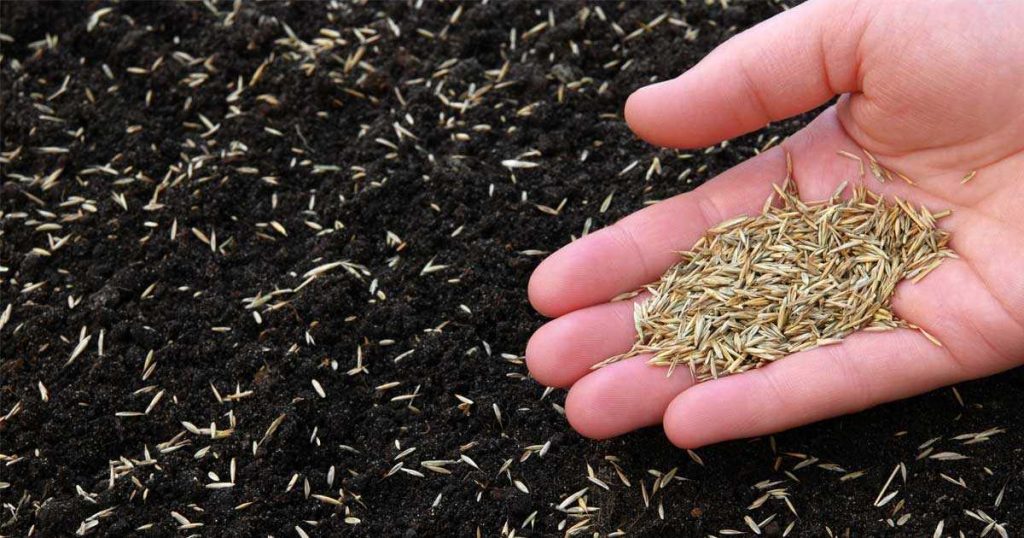
The best time to plant tall fescue grass seed is during early fall or spring when temperatures are cooler and rainfall is more consistent. This ensures the grass establishes quickly and grows healthily without the stress of extreme heat or cold.
Planting tall fescue at the right time depends on your climate, but generally, fall from late September to early October or spring from March to April are ideal windows. These periods provide optimal growing conditions, helping your grass develop a strong root system before summer heat or winter cold sets in.
If you’re eager to have a lush, green lawn, timing your planting correctly is crucial. Tall fescue thrives when seeded during moderate temperatures with adequate moisture, so choosing the right season can make a big difference in achieving a vibrant, resilient lawn that lasts.

When Can I Plant Tall Fescue Grass Seed?
Knowing the right time to plant tall fescue grass seed is key to establishing a healthy, lush lawn. Timing impacts seed germination, growth, and the overall success of your planting efforts. Proper planting times also help your grass develop strong roots and resist pests and diseases.
Understanding Tall Fescue Grass
Tall fescue is a cool-season grass known for its durability and adaptability across different climates. It is popular for lawns, parks, and sports fields due to its resistance to drought and heavy foot traffic.
This grass type thrives in soil temperatures between 55°F and 75°F. It generally grows best during cooler months but can also perform well in moderate heat with proper care. Knowing its growth preferences will help you choose the perfect planting time.
Ideal Time Frames for Planting Tall Fescue
Spring Planting
Spring is often considered the best time to plant tall fescue, especially from March to May. During this period, soil temperatures are rising but not yet too hot. Planting in spring provides the entire growing season for the grass to establish before winter.
Make sure to wait until the soil warms up to at least 50°F for optimal seed germination. Early spring planting works well in regions with cold winters to give grass enough time to develop strong roots.
Fall Planting
Fall, from September to early November, is another excellent planting window. Cooler air and soil temperatures promote healthy seed germination while reducing stress on new grass. Fall planting allows the grass to establish deep roots before winter dormancy.
Planting in late summer or early fall also helps avoid the extreme heat of summer, which can inhibit germination. Just ensure planting is finished at least 6 weeks before the first expected frost for successful growth.
Factors Influencing the Best Planting Time
Soil Temperature
Soil temperature plays a crucial role in seed germination. Tall fescue seeds typically germinate best when soil temperatures are between 50°F and 65°F. Soil thermometers can help you measure this accurately.
Avoid planting when soil temperatures are too low or too high, as this can delay germination or harm young seedlings. Monitoring local climate data helps in timing your planting correctly.
Weather Conditions
Consistent moisture and moderate temperatures support healthy seed establishment. Avoid planting during periods of heavy rain or drought. After planting, regular watering ensures seeds stay moist during germination.
Windy or extremely hot days should also be avoided, especially in early spring or fall. Favorable weather conditions increase the chances of successful germination and establishment.
Preparing Your Lawn for Planting
Soil Testing and Improvement
Testing your soil helps determine pH and nutrient levels, ensuring optimal conditions for tall fescue. Ideally, soil pH should be between 6.0 and 7.0 for best growth.
If necessary, amend your soil with lime to raise pH or sulfur to lower pH. Adding compost improves nutrient content and soil structure, promoting healthy root development.
Cleaning and Preparing the Surface
Remove weeds, rocks, and debris from the planting area. Loosen the soil to a depth of 2 to 3 inches using a rake or tiller. This step creates a good seedbed for uniform germination.
Level the surface to ensure proper seed-to-soil contact, which is vital for germination success. Lightly compact the soil to prevent seed washouts during watering.
Seeding Techniques for Tall Fescue
Choosing the Right Seeds
Select high-quality, certified tall fescue seed for better germination rates and disease resistance. Look for seeds with at least 80% germination and purity.
Hybrid or blend seed varieties can enhance lawn resilience and appearance. Consider your specific climate, soil type, and use when selecting seed types.
Seeding Methods
Use a broadcast spreader or rotary spreader to evenly distribute seeds across the prepared soil. For large areas, a mechanicalSeeder ensures consistent coverage.
After seeding, lightly rake or roll the surface to improve seed-to-soil contact. Covering seeds with a thin layer of soil or compost can help retain moisture and protect against birds.
Maintaining Your Tall Fescue Lawn After Planting
Watering Schedule
Keep the soil consistently moist but not waterlogged during germination. Water lightly and frequently, about 2 to 3 times daily initially.
As the grass establishes, reduce watering frequency but increase the depth of watering to promote deep root growth. Deep, infrequent watering encourages resilient turf.
Fertilization and Care
Applying a starter fertilizer rich in phosphorus supports root development. Follow manufacturer instructions for appropriate amounts.
Once established, fertilize periodically with a balanced fertilizer to maintain healthy growth. Mowing heights should be kept around 3 to 4 inches for optimal health.
Additional Tips for Successful Tall Fescue Planting
- Always plant when soil and weather conditions are stable to prevent seed washout or disease.
- Over-seeding bare or thin areas helps maintain an even, dense lawn.
- Consistent watering and proper fertilization reduce stress and promote vigorous growth.
- Be patient; tall fescue takes several weeks to fully germinate and establish deep roots.
Related Topics to Consider
Comparing Tall Fescue with Other Grass Types
Understanding how tall fescue compares to Bermuda, Kentucky bluegrass, or zoysia can help you select the best grass for your region and lawn purpose.
Dealing with Pests and Diseases
Maintaining proper watering, mowing, and fertilization schedules helps prevent common pests and diseases affecting tall fescue lawns. Regular inspection is key for early detection.
Overseeding and Lawn Renovation
Overseeding tall fescue can repair damaged areas and improve lawn density. Proper timing, soil preparation, and seed selection are essential steps for effective overseeding.
Planting tall fescue at the right time is all about matching seed germination needs with your climate and weather conditions. Planning ahead and preparing your lawn properly will give you the best chance to grow a thick, green, and healthy tall fescue lawn.
Frequently Asked Questions
What is the ideal time of year to plant tall fescue seeds?
The best time to plant tall fescue grass seed is during early fall or late spring. These periods offer moderate temperatures and adequate soil moisture, which help the seeds establish strong roots before extreme heat or cold sets in. Planting in these seasons ensures optimal germination and healthy growth.
Can I plant tall fescue in the summer months?
Planting tall fescue in the summer can be challenging due to higher temperatures and increased evaporation rates. If you choose to sow during this time, ensure you water frequently to keep the soil moist. However, late spring or early fall remains more suitable for better germination success.
What are the consequences of planting tall fescue too late in the year?
Planting tall fescue late in the fall can lead to poor germination and weak establishment because the soil might be too cold or frozen. The grass may not develop a strong root system before winter, leading to reduced survival chances. For best results, plant before the first heavy frosts or when soil temperatures are above 50°F (10°C).
How does soil temperature influence the timing for planting tall fescue?
Soil temperature plays a crucial role in germination; tall fescue seeds typically germinate best when soil temperatures are between 50°F and 65°F (10°C and 18°C). Planting when the soil is within this range promotes quicker germination and healthier seedling development. Avoid sowing when soil temperatures are too hot or too cold to prevent poor growth or seed failure.
Is it better to wait until spring to plant tall fescue after winter?
Waiting until spring allows the soil to warm up, giving tall fescue the best conditions for germination. As temperatures rise and soil moisture increases, the seeds will establish more quickly and grow more vigorously. Planting too early in winter risks seed failure due to cold soil and freezing conditions.
Final Thoughts
When can i plant tall fescue grass seed? The best time to plant is during the early fall or spring when temperatures are mild. This allows the grass to establish roots before extreme weather conditions.
Plantting at the right time ensures healthy growth and a lush lawn. Keep in mind that soil should be warm enough, typically around 55-75°F. Knowing this helps you plan effectively for successful seeding.