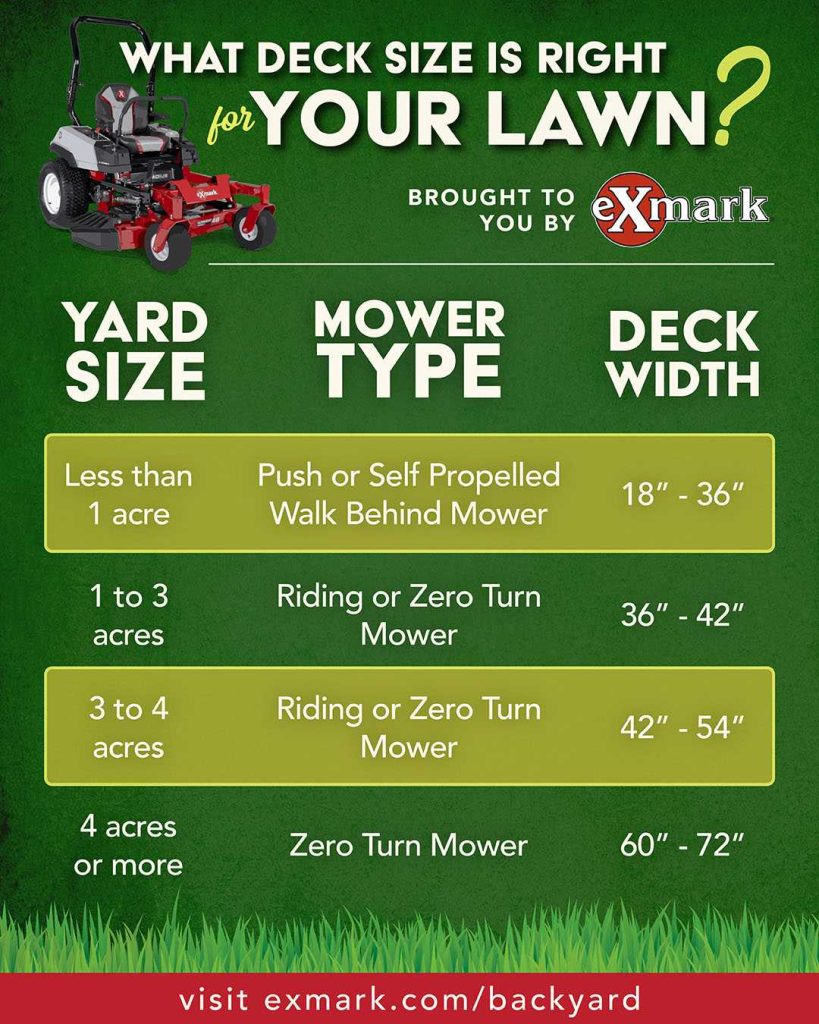
The perfect lawn mower can transform your outdoor space from wild to wonderful in no time! Choosing the right size mower is crucial to making your yard work easier and more efficient. For small to medium lawns, a push mower with a cutting width of 20-30 inches usually does the trick, while larger properties benefit from riding mowers or lawn tractors. The key factors include the size of your yard, terrain, and your comfort level. Picking the correct mower size not only saves you time and effort but also ensures a cleaner, healthier lawn. So, if you’re wondering what mower size suits your needs, keep reading—this guide will help you make an informed choice to keep your yard looking its best with minimal hassle.
When selecting a lawn mower, consider the area you need to cover, your storage space, and how much time you want to spend mowing. Smaller yards require nimble, lightweight push mowers, while larger properties may call for more powerful, wider-cut machines or riding options. Knowing these details helps you avoid buying a mower that’s either too small or unnecessarily large, streamlining your yard maintenance routine.

What Size Lawn Mower Do I Need?
Choosing the right size lawn mower is key to keeping your yard healthy and looking great. The size of mower you need depends on several factors, including the size of your lawn. Picking the wrong mower can make mowing harder, longer, and less fun. Let’s explore how to find the perfect fit for your yard and your needs.
Understanding Lawn Size and Mower Types
The first step in selecting a lawn mower is knowing the size of your lawn. A small yard might need a different mower than a large one. There are various mower types designed to handle different terrains and lawn sizes.
Small Lawns (Up to 1/4 Acre)
For yards up to a quarter of an acre, a walk-behind mower usually works well. Manual reel mowers or small gas-powered mowers are lightweight and easy to maneuver. These mowers are affordable and require less storage space.
Medium Lawns (1/4 to 1 Acre)
Yards that range from a quarter to an acre benefit from riding mowers or larger self-propelled walk-behind models. These options reduce fatigue and make mowing faster. Self-propelled mowers save effort on inclines or uneven terrain.
Large Lawns (More than 1 Acre)
For very large yards, consider a riding mower or even a zero-turn mower. These mowers cover ground quickly and efficiently. They are suitable for maintaining lawns with complex layouts or multiple zones.
Types of Lawn Mowers and Their Suitable Sizes
The right mower depends on your lawn size and terrain. Here are the main types to consider:
Reel Mowers
- Best for small, flat lawns
- Require minimal maintenance
- Ideal for precise cuts and small yards
Push (Walk-Behind) Gas or Electric Mowers
- Suitable for lawns up to 1 acre
- Available in manual, electric, or gas models
- Self-propelled options make mowing easier
Riding Lawn Mowers
- Perfect for lawns from 1 to 3 or more acres
- Comfortable and efficient for large areas
- Many models have adjustable cutting heights and attachments
Zero-Turn Mowers
- Designed for large and complex lawns
- Feature exceptional maneuverability
- Ideal for commercial use or homeowners with large, intricate yards
Identifying Your Lawn’s Terrain and Its Effect on Mower Choice
The terrain of your yard influences the mower size and type you should choose. Flat terrains are easier to mow, while hilly areas may require different equipment.
Flat Lawns
Simpler to mow with lighter mowers like reel or push mowers. These models are easy to handle on even ground.
Hilly or Uneven Terrain
Riding mowers or models with higher traction are better suited. Self-propelled mowers with adjustable speed and good grip help prevent slipping on slopes.
Cutting Width and How It Affects Mowing Time
The cutting width, or deck size, directly impacts how long it takes to mow your lawn. Larger decks cover more ground in less time, but they may be harder to maneuver in tight spaces.
| Deck Size | Suitable For | Advantages |
|---|---|---|
| 20-22 inches | Small yards or lawns with obstacles | Easy to navigate, store, and transport |
| 30-40 inches | Medium lawns | Faster mowing, good balance of size and maneuverability |
| 42 inches and above | Large, open areas | Maximizes coverage and reduces mowing time |
Power Source and Its Impact on Mower Size
The choice of power source affects the mower size, weight, and ease of use. Your decision depends on yard size, storage space, and environmental preferences.
Gas-Powered Mowers
- Offer higher power for thick or tall grass
- Typically heavier, especially larger models
- Require fueling and maintenance
Electric Mowers
- Usually lighter and quieter
- Ideal for small to medium lawns
- Battery capacity limits mowing time but is improving
Robotic Mowers
- Best for very small to medium lawns
- Provide continuous, autonomous mowing
- Require minimal human involvement
Pick the Right Mower by Considering Lawn Maintenance Needs
Beyond size, your lawn’s grass type, height, and maintenance habits influence your mower choice. Thicker grass may need more powerful mowers, while regular maintenance can extend mower lifespan.
Grass Thickness and Density
Thicker or denser grass requires a mower with higher horsepower or a wider cutting deck. It helps prevent clogging and ensures a clean cut.
Grass Height and Cutting Frequency
Regular mowing at the proper height keeps grass healthy. Different grass types have recommended heights, so select a mower with adjustable height settings to suit your yard.
Storage and Ease of Use
If storage space is limited, lightweight or foldable models are ideal. For ease of use, self-propelled mowers reduce physical effort, especially for larger lawns.
Additional Features to Consider When Choosing the Right Size Mower
Modern mowers come with features that improve your mowing experience. Think about these extras when selecting your mower size and type.
Adjustable Cutting Heights
Allows you to set the grass length according to your preferences, which is especially useful for different grass types or weather conditions.
Mulching and Bagging Options
These features help manage grass clippings effectively, maintaining a tidy lawn and promoting healthy growth.
Ease of Maneuverability
Look for ergonomic handles, smooth turning capabilities, and good weight distribution to make mowing easier and reduce fatigue.
Storage and Portability
If space is limited or you need to transport your mower frequently, compact, lightweight models with foldable handles are better suited.
Choosing the right mower size involves understanding your lawn’s size, terrain, and your personal mowing habits. Taking these factors into account ensures a lawn that stays healthy and looks great with less effort. By matching your needs with the appropriate mower type, deck size, and features, you can make mowing a more enjoyable and efficient task. Remember, the best mower for your yard is the one that fits your specific requirements while offering ease and comfort during operation.
Frequently Asked Questions
How does the size of my lawn influence the type of mower I should choose?
The size of your lawn determines how much time and effort you need to spend mowing. For small lawns, a lightweight, push mower with a cutting width of 20-30 inches works well, allowing for easy maneuverability. Medium lawns benefit from a mower with a 30-42 inch cutting width, providing a balance between coverage and ease of use. If you have a large yard, consider a riding mower or a lawn tractor, which can cover extensive areas quickly and reduce fatigue.
What features should I consider for different lawn sizes?
For small to medium lawns, look for mowers with adjustable cutting heights, easy-to-use controls, and a manageable weight. For larger properties, prioritize models with larger fuel tanks or battery capacity to avoid frequent refueling or recharging. Additionally, feature-rich options such as cruise control or self-propulsion can make mowing large areas more comfortable and efficient.
How important is engine power when selecting a mower based on lawn size?
Engine power directly impacts how effectively the mower cuts through thick or tall grass and handles uneven terrain. Smaller lawns require less powerful engines, typically ranging from 140cc to 160cc, which are sufficient for routine mowing. For larger or more challenging lawns, choose mowers with engines of 200cc or higher to ensure consistent performance without strain.
Can I use a handheld grass trimmer for small patches instead of a mower?
Yes, a handheld grass trimmer works well for maintaining small, detailed areas, edges, or spots where a mower can’t reach. However, for larger patches of lawn, a mower—whether push or riding—will save time and provide a more uniform cut. Combining both tools helps maintain a neat appearance across your yard efficiently.
Final Thoughts
Choosing the right lawn mower size depends on your yard’s dimensions and terrain. A smaller mower, around 20 inches, suits tight spaces and small lawns. For larger areas, a 30-inch or wider mower speeds up the mowing process and reduces effort.
Consider your storage options and physical ability when selecting the mower size. Larger models may require more storage space and handling strength.
What size lawn mower do I need? Prioritize size based on your yard’s size and your comfort. Making the right choice ensures efficient, enjoyable mowing sessions.