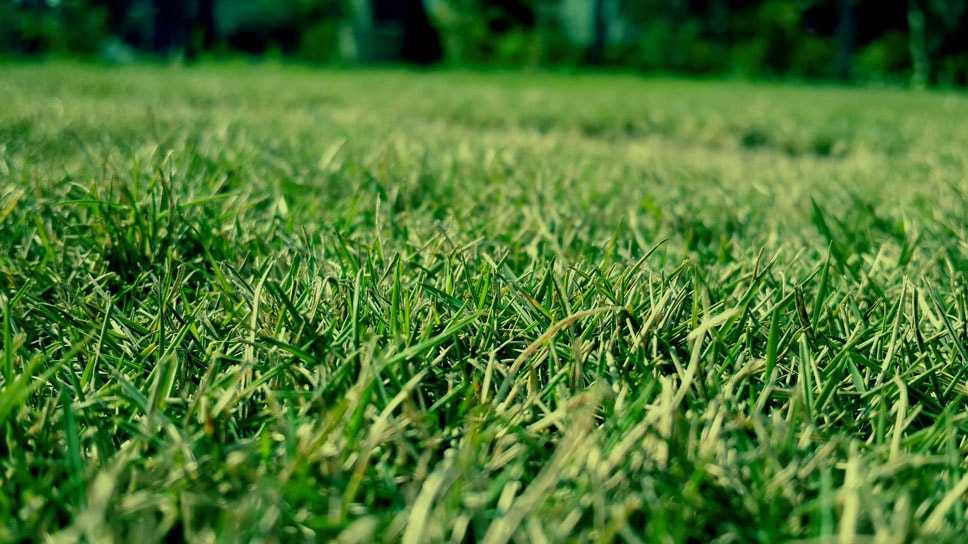
To keep your lawn lush and green, providing the right nutrients is key. The essential nutrients for healthy grass include nitrogen, phosphorus, and potassium, which work together to promote growth, root development, and resilience against stress. Regular fertilization and proper soil management ensure your grass stays vibrant and healthy throughout the seasons.
Healthy grass thrives on a balanced diet of nutrients, much like us. Without them, it can become patchy, dull, and susceptible to disease. Nitrogen fosters lush, green leaves, phosphorus strengthens roots and aids in energy transfer, while potassium improves overall plant health and helps grass withstand environmental stresses. Knowing what nutrients grass needs and how to deliver them effectively can transform your lawn from dull to dazzling. Whether you’re a seasoned gardener or a weekend lawn enthusiast, understanding these vital elements will help you create a beautiful, thriving yard that’s the envy of your neighborhood.

What nutrients are essential for healthy grass
Introduction to Nutrients for Grass
Healthy grass needs more than just water and sunlight. It requires specific nutrients to grow strong and lush. Without these nutrients, grass can become thin, yellow, or patchy. Knowing which nutrients are vital helps lawn owners maintain beautiful, green lawns year-round.
Macronutrients: The Building Blocks of Healthy Grass
Macronutrients are nutrients that grass needs in larger amounts. They form the foundation for healthy growth. The three primary macronutrients are nitrogen, phosphorus, and potassium.
Nitrogen (N)
Nitrogen is essential for leaf growth and vibrant green color. It helps grass develop thick blades and a lush appearance. A deficiency in nitrogen results in yellowing and weak stems. Applying nitrogen-rich fertilizers promotes dense, healthy turf.
Phosphorus (P)
Phosphorus supports root development and energy transfer within the grass plants. It is especially important during new grass establishment. Insufficient phosphorus can cause stunted growth and poor root systems. Phosphorus is typically added during lawn planting or renovation.
Potassium (K)
Potassium enhances grass’s overall health and resistance to stress. It helps with water absorption, disease resistance, and cold tolerance. Lawns lacking potassium may become more vulnerable to drought and disease. Using potassium fertilizers strengthens grass defenses.
Micronutrients: The Minor but Important Elements
Micronutrients are needed in smaller quantities but are equally important for healthy grass. They support various physiological functions essential to growth.
Iron (Fe)
Iron gives grass its rich green color and supports chlorophyll production. Iron deficiency causes yellowing, especially in new growth. Applying iron supplements can correct chlorosis and improve color.
Manganese (Mn), Zinc (Zn), Copper (Cu), Boron (B), Molybdenum (Mo)
These trace elements aid in enzyme functions, nutrient uptake, and overall plant health. Deficiencies are less common but can cause specific symptoms. Regular soil testing helps determine if supplements are needed.
Understanding Soil pH and Its Impact on Nutrients
Soil pH influences how well grass can absorb nutrients. Most grasses thrive in slightly acidic to neutral soil with a pH between 6.0 and 7.0. If soil is too acidic or alkaline, nutrients become less available. Regular testing can help maintain optimal pH and nutrient availability.
Adjusting Soil pH
Lime can raise soil pH if it is too acidic. Sulfur or peat moss can lower pH in overly alkaline soils. Proper pH balance ensures nutrients are accessible for healthy grass growth.
Signs of Nutrient Deficiency in Grass
Monitoring grass health can help identify missing nutrients early. Different deficiencies show distinct symptoms.
Yellowing or Pale Grass
Usually indicates a lack of nitrogen. The grass’s green color fades, and blades become thin.
Poor Root Growth
Often a sign of phosphorus deficiency. Roots may appear weak or underdeveloped.
Brown or Tip Burn
Can result from potassium deficiency, weakening the plant’s stress resistance.
Chlorosis (Yellowing between Veins)
Typically caused by iron deficiency, especially in new leaves.
How to Apply Nutrients Effectively
Proper application ensures grass gets the nutrients it needs without waste or harm. Timing, amount, and method matter.
Fertilizer Types
Choose from granular, liquid, or slow-release fertilizers based on your lawn’s needs. Slow-release options provide nutrients over time.
Best Time to Fertilize
Apply fertilization during active growth periods, usually in early spring and late summer. Avoid over-fertilizing, which can harm the environment and the grass.
Application Tips
Spread fertilizers evenly using a spreader for granular forms. Water the lawn after application to help nutrients penetrate the soil.
Enhancing Nutrient Absorption
Healthy soil contains organic matter that aids in nutrient retention. Adding compost or organic amendments improves soil structure and nutrient availability.
Using Soil Amendments
Incorporate compost, peat moss, or biochar to boost organic content. This practice improves root health and increases nutrient retention.
Conducting Soil Tests
Regular testing reveals nutrient levels and pH, guiding fertilizer choices. Proper testing prevents over-fertilization and minimizes environmental impact.
Special Considerations for Different Lawn Types
Different grass species may require specific nutrient management practices. Know your grass type to optimize fertilization strategies.
Cool-Season Grasses
Typically thrive in northern climates. They benefit from early spring and fall fertilization with nitrogen and potassium.
Warm-Season Grasses
Common in southern regions. These grasses grow best with fertilization during late spring and summer.
Environmental Impact and Sustainable Practices
Using nutrients responsibly protects water quality and reduces pollution. Opt for eco-friendly fertilizers and proper application techniques.
Choosing Organic Fertilizers
Organic options like composted manure and plant-based products release nutrients slowly and improve soil health.
Timing and Amount
Apply only as needed and avoid excess fertilization. This practice prevents runoff and leaching into waterways.
Integrated Nutrient Management
Combine soil testing, proper application, and organic practices for sustainable lawn care.
Maintaining a healthy lawn involves understanding the nutrients that grass needs and how to supply them properly. Regular soil testing, appropriate fertilization, and attention to soil health all contribute to thick, green, and resilient grass. By focusing on these essential nutrients — especially nitrogen, phosphorus, potassium, and key micronutrients — you create the perfect environment for your grass to thrive and stay beautiful throughout the seasons.
Frequently Asked Questions
Which nutrients promote healthy root growth in grass?
Healthy root development depends on essential nutrients such as phosphorus and potassium. Phosphorus encourages strong root systems by supporting cell division and energy transfer, while potassium helps regulate water uptake and strengthen grass plants against stress. Ensuring your soil has adequate levels of these nutrients fosters resilient and vigorous roots.
How does nitrogen contribute to maintaining a vibrant lawn?
Nitrogen plays a crucial role in promoting lush, green growth in grass. It is a key component of chlorophyll, which enables plants to photosynthesize effectively. Regular supply of nitrogen ensures that grass remains dense, vibrant, and capable of recovering quickly from wear or damage.
What micronutrients are vital for overall grass health?
Micronutrients such as iron, magnesium, and manganese support various physiological processes in grass. Iron is vital for chlorophyll synthesis, giving grass its rich green color. Magnesium is a central element in chlorophyll molecules, while manganese aids in enzyme functions. Providing these nutrients in appropriate amounts helps maintain healthy growth and appearance.
Why is calcium important for grass development?
Calcium strengthens cell walls and promotes proper cell division, which are essential for healthy grass growth. It also influences soil pH and improves nutrient uptake. Ensuring sufficient calcium levels helps your lawn develop a strong structure and resist environmental stresses.
How often should I fertilize my lawn to maintain optimal nutrient levels?
Fertilization frequency depends on your soil’s existing nutrient content and grass type. Typically, applying a balanced fertilizer every 6 to 8 weeks during the growing season provides consistent nourishment. Conducting soil tests helps determine specific nutrient needs and prevents over-fertilization, promoting a healthy and sustainable lawn.
Final Thoughts
What nutrients are essential for healthy grass? Nitrogen promotes lush, green growth and is vital for overall health. Phosphorus strengthens roots, helping the grass withstand stress. Potassium improves disease resistance and drought tolerance.
Other nutrients like iron and magnesium support vibrant color and metabolism. Ensuring a balanced intake of these nutrients helps maintain a thick, healthy lawn. Proper fertilization and soil management are key.
In conclusion, understanding what nutrients are essential for healthy grass ensures you provide optimal care. A focus on nitrogen, phosphorus, potassium, and trace minerals keeps your lawn thriving and beautiful.