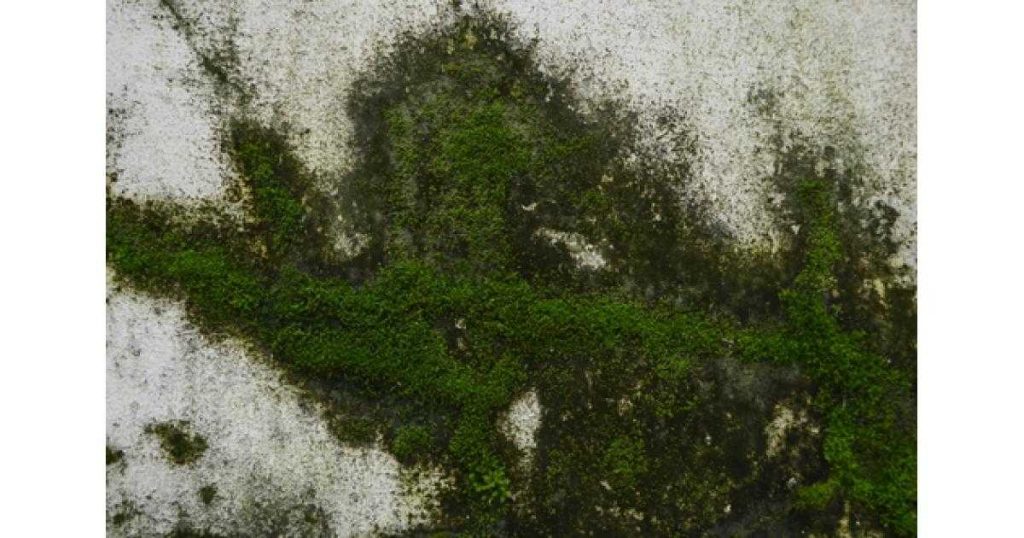
If you’re struggling with pesky algae on your concrete surfaces, the good news is that there are effective solutions to tackle this problem. The best way to kill algae on concrete is by using a mixture of water and either vinegar or bleach. These substances not only help to eliminate the algae but also prevent it from returning. Simply apply the solution, scrub the affected area, and rinse thoroughly. Now, let’s delve deeper into understanding why algae grows on concrete and explore various methods to keep your surfaces clean and algae-free. There’s no need to let unsightly green patches ruin the appearance of your outdoor spaces when there are straightforward strategies to manage and prevent algae growth effectively.

What Kills Algae on Concrete
Algae on concrete surfaces can be unsightly and slippery, creating potential hazards. Understanding **what kills algae on concrete** is vital for maintenance and safety. This article explores various methods to effectively eliminate algae, providing practical tips and product recommendations along the way.
Understanding Algae Growth
Algae thrive in moist environments, making concrete driveways, patios, and walkways perfect breeding grounds. Concrete surfaces often retain moisture, especially if they are shaded by trees or buildings. This moisture, combined with sunlight, creates a suitable habitat for algae.
Several factors contribute to algae growth on concrete surfaces:
- Humidity and moisture
- Poor drainage
- Shaded areas
- Lack of sunlight
Knowing these factors can help homeowners take proactive steps to prevent algae from taking hold.
Common Signs of Algae on Concrete
Identifying algae on your concrete is crucial for effective treatment. Here are common signs to look for:
- Green or black discoloration
- Slippery surfaces
- Foul odors in humid conditions
Addressing algae promptly can help prevent further damage to your concrete surfaces and improve safety.
Preventing Algae Growth
Prevention is always better than cure. Here are ways to minimize algae growth on concrete:
- Ensure proper drainage around concrete surfaces.
- Trim overhanging branches to allow more sunlight.
- Clean gutters regularly to avoid water pooling.
- Improve airflow by maintaining landscaping.
By taking these steps, you can significantly reduce the likelihood of algae taking hold.
Effective Cleaning Solutions for Algae
When it comes to removing algae, several cleaning solutions can do the trick. Some popular options include:
- Bleach: A strong solution that kills algae effectively.
- Vinegar: An eco-friendly alternative that can work well.
- Commercial cleaners: Various products are specifically formulated for algae removal.
Choosing the right method depends on the severity of the algae problem and personal preferences.
Using Bleach to Kill Algae
Bleach is a popular choice for killing algae on concrete. To use bleach effectively:
1. Mix one part bleach with three parts water in a spray bottle.
2. Spray the solution directly onto the affected areas.
3. Allow it to sit for at least 15 minutes.
4. Rinse thoroughly with a hose.
Always wear protective gear, including gloves and goggles, while using bleach.
Vinegar as an Eco-Friendly Option
If you prefer a more natural solution, vinegar can help combat algae effectively. Here’s how to use it:
1. Pour undiluted white vinegar into a spray bottle.
2. Spray it directly onto the algae-covered areas.
3. Let it sit for about 30 minutes to an hour.
4. Scrub with a brush and rinse with water.
Vinegar is not only effective but also safe for the environment.
Using Pressure Washers
For larger areas or stubborn algae, a pressure washer can be an excellent tool. Pressure washing can blast away algae and dirt effectively.
Tips for using a pressure washer:
- Set the pressure to a moderate setting to prevent damage.
- Use a fan spray nozzle for even coverage.
- Hold the wand at a safe distance to protect the concrete.
This method is quick and ensures a thorough clean.
Choosing Commercial Cleaners
There are many commercial products specifically designed to kill algae on concrete. When choosing a product, look for these features:
- Algae-specific formulas
- Ease of application
- Long-lasting protection
Always read the instructions and safety information on the label before use.
Mixing Products for Better Results
Sometimes, mixing different cleaning solutions can yield better results. For example, combining vinegar and baking soda can create a powerful cleaning paste.
To use this paste:
1. Mix equal parts of vinegar and baking soda.
2. Apply the paste to the algae-affected areas.
3. Let it sit for 30 minutes before scrubbing.
4. Rinse clean with water.
This method can tackle even the toughest algae problems.
Using Algaecides
Algaecides are chemical treatments designed to kill algae and prevent its recurrence. When using algaecides:
- Choose products specifically labeled for concrete use.
- Follow the manufacturer’s instructions carefully.
- Wear protective gear during application.
Regular application can help keep your concrete surfaces algae-free.
Long-Term Maintenance Tips
Once you have removed algae, maintaining clean concrete should be a priority. Here are some long-term maintenance tips:
- Regularly sweep and clean the surface to remove debris.
- Inspect for cracks and repair them immediately.
- Consider sealing the concrete to prevent moisture absorption.
Routine maintenance can help keep algae at bay for years.
The Importance of Timely Action
Addressing algae problems promptly can save you time and money in the long run. Ignoring the issue may lead to more severe damage to your concrete surfaces.
Here are some potential consequences of neglecting algae growth:
- Increased slipperiness
- Structural damage to concrete
- Higher cleaning costs over time
Taking timely action ensures that your concrete remains safe and visually appealing.
Conclusion on Algae Control
Algae can be a persistent problem on concrete surfaces, but understanding **what kills algae on concrete** provides effective solutions. From preventive measures to specific cleaning methods, you can keep your concrete clean and safe. By incorporating regular maintenance and using the right products, you can enjoy a beautiful, algae-free environment all year round. Remember, taking proactive steps can save you from future troubles, enhancing both aesthetics and safety around your home.
How to Remove Moss & Green Algae on Walls! Bleach vs Vinegar🎎
Frequently Asked Questions
“`html
What natural solutions can help eliminate algae on concrete?
Natural solutions such as vinegar and baking soda can effectively kill algae on concrete. Mixing vinegar with water creates an acetic acid solution that disrupts the algae’s growth. Baking soda, being alkaline, can also counter the acidity of the algae, leading to its elimination when sprinkled over the affected areas.
How can I prevent algae from growing on my concrete surfaces?
To prevent algae growth on concrete, ensure the area receives ample sunlight, as algae thrive in shaded, damp environments. Regular cleaning and maintaining proper drainage can also minimize moisture accumulation, reducing the likelihood of algae growth. Additionally, applying a sealant can protect the surface from moisture and prevent algae from taking root.
Are there chemical treatments that effectively kill algae on concrete?
Yes, several chemical treatments, such as sodium hypochlorite or commercial algae removers containing bleach, effectively kill algae on concrete surfaces. These products penetrate the algae and break down their cellular structure, leading to their elimination. Always follow the manufacturer’s instructions for safe and effective use.
How often should I clean my concrete to control algae growth?
Cleaning your concrete surfaces at least twice a year can significantly help control algae growth. During hot and humid months, consider more frequent cleanings to combat the warm, moist conditions that favor algae. Regular maintenance ensures that organic materials do not accumulate, which can contribute to algae proliferation.
What environmental factors contribute to algae growth on concrete?
Environmental factors such as high humidity, poor drainage, and lack of sunlight contribute to algae growth on concrete. Areas that remain damp for extended periods create ideal conditions for algae to thrive. Additionally, shaded spots that receive little sunlight often become hotspots for algae development.
Can pressure washing effectively remove algae from concrete?
Pressure washing is an effective method for removing algae from concrete surfaces. The high-pressure water jets dislodge algae and dirt, restoring the surface’s appearance. However, after pressure washing, it’s advisable to treat the area with a suitable algae killer or preventive solution to deter future growth.
“`
Final Thoughts
Effective methods to eliminate algae on concrete include using pressure washers, bleach solutions, and specialized algae removers. Regular maintenance, such as sweeping and cleaning, helps prevent algae growth.
Furthermore, ensuring proper drainage and sunlight exposure can reduce moisture levels that promote algae. Understanding what kills algae on concrete allows homeowners to take swift action and maintain clean surfaces.