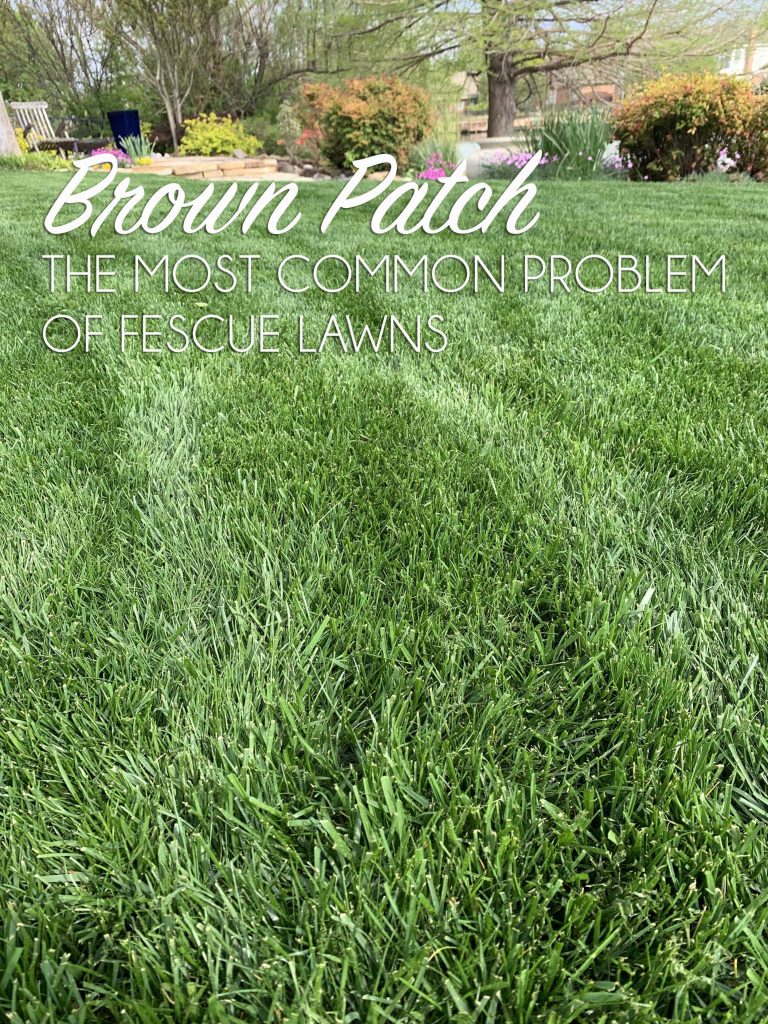
Fescue can be a beautiful, resilient grass, but it often comes with hidden issues that can turn a lush lawn into a headache. The main problem with fescue is that it’s susceptible to fungal infections, especially during wet or humid weather, which can cause discoloration, thinning, and even dead patches. Additionally, some varieties of fescue contain toxic endophytes that may harm livestock or cause health problems for pets. Proper management and understanding these issues are key to maintaining a healthy, vibrant fescue lawn or pasture. In this article, we’ll explore the common problems associated with fescue and share practical tips on how to address them, helping you keep your grass looking its best.

What is the problem with fescue?
Introduction to Fescue and Its Common Uses
Fescue is a popular type of grass often used in lawns, parks, and athletic fields. It is known for its deep green color and ability to grow in various soil conditions. Many homeowners and landscapers choose fescue because it looks attractive and requires moderate maintenance.
Understanding Fescue’s Growth and Characteristics
Fescue grasses belong to the *Festuca* genus, with several species such as tall fescue, fine fescue, and creeping red fescue. These grasses are cool-season types, meaning they thrive in cooler temperatures. They generally grow in clumps and form dense mats that are useful for erosion control.
The Main Problems with Fescue
Despite its advantages, fescue faces several challenges that can affect its health and appearance. These problems include susceptibility to certain diseases, pests, environmental stresses, and maintenance issues. Identifying these issues is essential for proper care and improving grass quality.
Susceptibility to Diseases
Fescue is vulnerable to various turfgrass diseases that cause damage and reduce its aesthetic appeal. These diseases are often caused by fungi or bacteria and tend to flourish under specific environmental conditions.
Common Fescue Diseases
- Brown Patch Disease: Causes large patches of dead or yellowed grass, especially during warm, humid weather.
- Dollar Spot: Features small, circular patches that look like silver dollar spots, weakening the grass over time.
- Fusarium Blight: Leads to wilted, brown grass with a fuzzy, grayish appearance.
Prevention and Treatment
To prevent diseases, proper fertilization, watering, and mowing practices are important. Fungicides may be needed for severe infections, but early detection is key to saving the turf.
Pest Problems Affecting Fescue
Insects and pests are another significant issue for fescue lawns. They can cause physical damage to grass blades and roots, leading to weak and patchy turf.
Common Pests
- Chinch Bugs: Small insects that suck sap from the grass, causing brown patches.
- Grubs: Larvae that feed on the roots, weakening the turf and making it easy to pull up.
- Armyworms: Caterpillars that chew large sections of the grass, especially during hot summer months.
Managing Pests
Regular inspections and the use of appropriate insecticides help control pests. Healthy, well-maintained turf can also resist pest invasions better.
Environmental Stress and Fescue
Environmental factors play a crucial role in the health of fescue grass. Drought, heat, and poor soil conditions can lead to stress, making the grass more susceptible to problems.
Drought Stress
Fescue requires adequate watering, especially during dry periods. Insufficient water causes the grass to turn brown, weaken, and become prone to disease.
Temperature Challenges
Although fescue is a cool-season grass, extreme heat can cause it to go dormant or die back. High temperatures often lead to thinning turf and increased vulnerability to pests and diseases.
Soil Compaction and Poor Drainage
Compacted soils restrict root growth and water movement. Poor drainage can lead to standing water, which encourages disease and root rot.
Maintenance and Fescue Problems
Incorrect mowing, fertilization, or watering practices can exacerbate issues with fescue.
Overwatering and Underwatering
Overwatering promotes fungal diseases, while underwatering stresses the grass, leading to thinning and brown patches.
Improper Mowing
Mowing too short weakens the grass and makes it vulnerable to disease and pests. Maintaining the proper height is essential for healthy turf.
Fertilization Issues
Using too much fertilizer can cause excessive growth and weaken the grass, while insufficient nutrients lead to poor color and vigor.
Weed Competition and Fescue
Weeds are a constant challenge for fescue lawns, competing for nutrients, water, and space. Common weeds include crabgrass, clover, and plantains.
Weed Control Strategies
Applying pre-emergent herbicides before weed seeds germinate and spot-treating with post-emergent herbicides helps control weeds. Maintaining a dense, healthy fescue lawn also reduces weed invasion.
Challenges with Establishing and Replacing Fescue
Growing new fescue or repairing damaged turf can be difficult due to seedling sensitivity and environmental factors.
Seed Germination and Establishment
Fescue seeds need optimal moisture, temperature, and soil preparation. Poor conditions can lead to patchy or slow germination.
Replacing Old or Damaged Fescue
Removing diseased or dead patches requires careful planning and soil preparation to ensure uniform growth and healthy turf development.
Related Topics: Alternatives to Fescue and Sustainable Practices
Many homeowners consider alternative grasses like Kentucky bluegrass or perennial ryegrass to avoid fescue’s problems. Additionally, adopting sustainable lawn care practices can lessen disease and pest issues.
Choosing the Right Grass for Your Climate
Selecting a grass type suited to local weather and soil conditions reduces maintenance and enhances resilience.
Implementing Eco-Friendly Lawn Care
Using organic fertilizers, reducing chemical use, and practicing proper watering help create healthier, more sustainable lawns.
Final Thoughts on Fescue’s Challenges
While fescue offers many benefits as a lawn grass, its problems require careful management. Regular maintenance, proper watering, and disease prevention are crucial for keeping it healthy. If issues persist, considering alternative grasses or professional assistance may provide more reliable lawn solutions. Paying attention to environmental conditions and proactive care will help keep fescue lawns looking lush and vibrant.
5 Things You Need to Know: Fescue Toxicosis
Frequently Asked Questions
What are common health issues associated with fescue grass?
Fescue grass can harbor fungal endophytes that produce toxins harmful to livestock. When animals graze on infected fescue, they may experience reduced weight gain, lower milk production, and reproductive problems. Additionally, certain types of fescue are more prone to fungal infections, which can compromise the health of the entire pasture ecosystem.
How does fescue affect soil and water quality?
Fescue, especially when overgrown or improperly managed, can deplete soil nutrients, leading to reduced fertility over time. The dense root systems may hinder water absorption, increasing runoff and erosion. Moreover, if not managed correctly, it can contribute to water pollution through the leaching of fertilizers or toxins from fungal infections, impacting nearby water sources.
What management challenges does fescue present to landowners?
Managing fescue requires consistent mowing, reseeding, and fertilization, which can be labor-intensive and costly. Its tendency to dominate landscapes can outcompete other desirable plants, reducing biodiversity. Transitioning from fescue to other forage options also involves planning and resources, making effective management a continuous challenge for landowners.
Final Thoughts
Fescue is a popular grass for lawns and pastures due to its resilience. However, it can cause issues like toxicity to livestock and invasive growth in certain environments.
Additionally, some fescue varieties produce toxic alkaloids that affect animal health, leading to reduced productivity.
Managing fescue requires careful selection of resistant varieties and proper maintenance practices.
What is the problem with fescue? It can pose health risks to animals and become invasive, requiring attention and proper care.