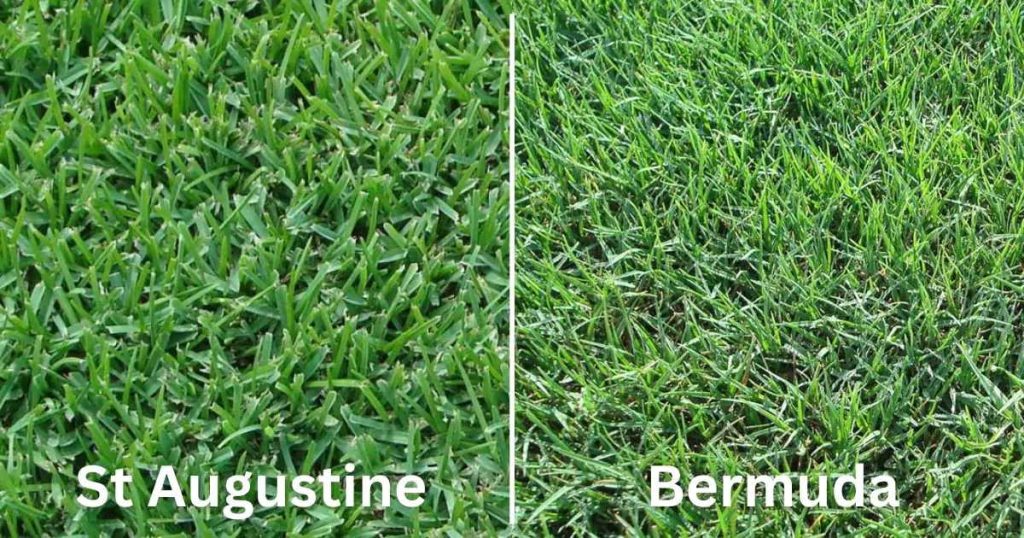
The main difference between St. Augustine and Bermuda grass lies in their adaptability and appearance—each is suited to different lawns depending on your climate and usage needs. St. Augustine has broad, lush blades and thrives in mild, humid environments, offering dense, shade-tolerant turf. Bermuda grass, on the other hand, features fine, narrow leaves and is highly drought- and wear-tolerant, making it ideal for sunny, high-traffic areas.
In short, if you need a thick, shade-resistant lawn in a humid climate, St. Augustine is the way to go. If you want a durable, low-maintenance turf that handles plenty of sun and activity, Bermuda grass is your best bet. Knowing these differences can help you choose the perfect grass for your yard’s specific conditions.
When it comes to choosing the right grass for your lawn, understanding the key differences between St. Augustine and Bermuda grass can make all the difference. Both are popular warm-season grasses, but they have distinct characteristics that suit different environments and lawn requirements. St. Augustine grass is known for its thick, carpet-like appearance and excellent shade tolerance, making it perfect for lawns shaded by trees or buildings. Bermuda grass, however, is highly resilient, drought-resistant, and thrives in full sun, making it ideal for sports fields or areas with high foot traffic. The decision ultimately depends on your climate, soil type, maintenance preferences, and the intended use of your lawn. Choosing the right grass not only enhances the aesthetic appeal but also ensures a healthy, sustainable yard year-round.

What Is the Difference Between St Augustine and Bermuda Grass
Introduction to St Augustine and Bermuda Grass
St Augustine and Bermuda grass are two of the most popular types of grass used in lawns and landscapes. Each has unique characteristics that make it suitable for different climates and usage needs. Understanding these differences helps homeowners and landscapers choose the best grass type for their yard.
Origin and History of Each Grass Type
St Augustine grass originated in the warm coastal regions of the Atlantic, mainly in Florida and the Caribbean. It was named after the city of St Augustine in Florida, where it was first cultivated.
Bermuda grass, on the other hand, comes from Africa and southern Asia. It was brought to the United States for its resilience and uses in golf courses and athletic fields. Both grasses have been cultivated for centuries, adapting to various environmental conditions.
Climate Compatibility and Growing Regions
St Augustine thrives in warm, humid climates. It prefers temperatures between 85 and 95 degrees Fahrenheit and struggles with cold weather or frost.
Bermuda grass also enjoys hot temperatures but can tolerate a wider range of conditions, including drought and some cold. It grows well in USDA zones 7 through 10, making it versatile for many locations.
Appearance and Texture Comparison
St Augustine has broad, thick blades with a lush, dense appearance. Its foliage appears soft and velvety, creating a luxurious look.
Bermuda grass has fine, narrow blades with a more wiry texture. It tends to look more sparse and less plush but is very resilient once established.
Growth Habits and Spreading Characteristics
St Augustine spreads through above-ground runners called stolons, which form a thick mat on the surface. It tends to grow slowly compared to Bermuda but provides dense coverage.
Bermuda grass spreads rapidly through both stolons and underground rhizomes. Its fast growth helps it recover quickly from damage or drought stress.
Maintenance and Care Requirements
St Augustine usually requires more water and regular fertilizing to stay healthy and green. It benefits from mowing at a height of about 3 to 4 inches.
Bermuda grass is low-maintenance and drought-tolerant. It prefers mowing heights of 1 to 2 inches and needs less frequent watering once established.
Sunlight and Shade Tolerance
St Augustine performs best in full sun but can tolerate some shade. However, too much shade may cause thinning or patchiness.
Bermuda grass thrives in full sun and does poorly in shaded areas. It needs at least 6 hours of direct sunlight daily to maintain its vigor.
Cold Tolerance and Winter Dormancy
St Augustine has limited cold tolerance and often goes dormant in cold winter climates. It can die back or turn brown when temperatures drop below 50 degrees Fahrenheit.
Bermuda grass can survive mild winters in warmer climates but goes dormant in colder weather, turning brown and slowing its growth.
Pest and Disease Resistance
St Augustine is prone to pests like chinch bugs and diseases such as gray leaf spot and fusarium wilt. Regular pest control and fungicide treatments may be necessary.
Bermuda grass tends to have fewer pest issues but can be affected by nematodes and dollar spot disease. Proper mowing and fertilization help prevent problems.
Uses and Ideal Locations
St Augustine is great for lawns in humid, warm regions where a dense, soft lawn is desired. It’s often used in residential yards and landscape beds.
Bermuda grass is preferred for athletic fields, golf courses, and areas that require high resilience and drought tolerance. It’s ideal for sunny sports fields and sandy soils.
Durability and Wear Resistance
Bermuda grass is highly durable, making it suitable for high-traffic areas. Its tough blades recover quickly from foot and equipment traffic.
St Augustine is less durable but still offers good resilience for moderate outdoor activities. It’s best for home lawns with lower foot traffic.
Water Usage and Irrigation Needs
St Augustine requires regular watering, especially during hot, dry periods. It can develop brown patches without consistent moisture.
Bermuda grass is more tolerant of droughts and requires less frequent watering once established. Its deep roots help it access moisture in dry conditions.
Cost Considerations and Establishment Time
St Augustine can be more expensive to establish because of its specific soil and watering needs. It also takes longer to establish fully.
Bermuda grass usually costs less to plant and establishes quickly, making it a cost-effective option for many homeowners.
Environmental Impact and Sustainability
Both grasses contribute to reducing soil erosion and improving air quality but differ in water and chemical requirements. Bermuda’s drought tolerance makes it more environmentally friendly in arid regions.
Choosing between these grasses depends on local climate, soil conditions, and personal preferences for lawn aesthetics and maintenance.
Additional Factors to Consider
When picking between St Augustine and Bermuda grass, think about your lawn’s purpose, your local weather, and how much time you want to dedicate to maintenance. Both grasses can produce beautiful lawns with proper care.
Regular fertilization, aeration, and weed control are essential to keep either grass healthy and attractive. Proper mowing height and watering habits also influence overall lawn performance.
By understanding these differences, homeowners can select the right grass type to meet their needs, ensuring a beautiful and healthy lawn that thrives in their specific environment.
Bermuda Grass vs St Augustine: What Are The Differences? (A Detailed Comparison)
Frequently Asked Questions
How do the growing conditions for St. Augustine and Bermuda grass differ?
St. Augustine grass thrives in warm, humid climates and prefers shaded areas with rich, well-drained soil. It grows best in areas with temperatures between 80°F and 90°F and needs consistent moisture. Bermuda grass, on the other hand, prefers full sun and tolerates hotter, drier conditions with temperatures often exceeding 90°F. It adapts well to sandy soils and requires less water once established, making it suitable for regions with less rainfall.
What are the maintenance requirements for each type of grass?
St. Augustine grass demands regular watering, frequent mowing, and occasional fertilization to maintain its lush appearance. It is sensitive to cold temperatures and may need overseeding in cooler months. Bermuda grass requires less frequent watering and mowing due to its dense growth habit. It responds well to fertilization during the growing season and is more tolerant of drought, which reduces overall maintenance needs.
How do the visual appearances of St. Augustine and Bermuda grass compare?
St. Augustine grass features wide, coarse blades that create a thick, plush carpet with a vibrant green color. It tends to grow in a dense, spreading manner, making it excellent for creating a soft lawn. Bermuda grass has narrow, fine blades and a more upright growth habit, resulting in a thinner, more uniform appearance. It develops a bright green hue during the growing season and can form a dense turf that withstands heavy foot traffic.
Are there differences in the disease resistance of St. Augustine and Bermuda grass?
St. Augustine grass is susceptible to certain fungal diseases, such as brown patch and gray leaf spot, especially in overly humid conditions. It requires proper drainage and aeration to prevent disease buildup. Bermuda grass generally exhibits better resistance to diseases and pests, including rust and dollar spot, although it can suffer from some fungal issues if conditions are overly damp or poorly maintained. Proper lawn care helps minimize disease risks for both grasses.
Which grass type is better suited for high-traffic areas?
Bermuda grass performs better in high-traffic zones due to its dense, resilient growth and ability to recover quickly from damage. It stays upright and withstands frequent use without becoming patchy. St. Augustine grass, while soft and luxurious, can become damaged under heavy foot traffic and may require more frequent repair or reseeding in such areas. For areas with constant activity, Bermuda often presents a more durable option.
Final Thoughts
What is the difference between st augustine and bermuda grass? St Augustine thrives in warm, humid climates and remains dense with broad blades. Bermuda grass, on the other hand, is highly drought-tolerant and fine-textured, perfect for high-traffic areas.
St Augustine tends to grow slower and requires more maintenance, while Bermuda spreads quickly and is easier to manage. Overall, understanding these distinctions helps in choosing the best grass for your needs and environment.