The quickest way to eliminate crabgrass is by applying a pre-emergent herbicide in early spring and promptly pulling out mature patches by hand or with a weed tool. Combining these methods with proper lawn maintenance can effectively control crabgrass and prevent its return.
To remove crabgrass effectively, start by preventing it before it germinates with pre-emergent herbicides in early spring. For existing patches, hand-pulling or using a weed tool is most efficient, especially if the infestation is manageable. Regular lawn care, such as watering deep and infrequently, fertilizing properly, and overseeding bare spots, helps promote a dense turf that naturally crowds out crabgrass. Consistency and early action are key to keeping this invasive weed at bay and maintaining a lush, healthy yard.
Crabgrass is a common summer invader that thrives in warm, sunny conditions and can quickly overtake a well-kept lawn. The best way to remove it is to combine preventative measures with manual removal of existing weeds while maintaining a healthy, dense turf that resists invasive growth.

What Is the Best Way to Remove Crabgrass
Understanding Crabgrass and Why It’s a Problem
Crabgrass is a fast-growing weed that often invades lawns during warm weather. It spreads quickly and can choke out your regular grass if not controlled. Its distinctive low, spreading growth makes it hard to ignore once it takes hold. Recognizing crabgrass early helps you take action before it becomes a major issue.
What Makes Crabgrass Hard to Remove?
Crabgrass has a vigorous growth cycle that allows it to grow back even after removal attempts. It produces many seeds that spread easily by wind or foot traffic. Its roots can be deep, making manual pulling less effective if not done thoroughly. Plus, it thrives in compacted soil and areas with poor nutrient levels.
Best Time to Fight Crabgrass
Timing is key when removing crabgrass effectively. The best window is in the early spring before crabgrass germinates or during its active growth in late spring to early summer. Applying treatments during these periods prevents seeds from sprouting or kills young plants before they establish deep roots.
Pre-emergent Herbicides
Pre-emergent herbicides are most effective if applied before crabgrass seeds sprout. Usually, this means applying in early spring when soil temperatures reach around 55°F (13°C). These treatments form a barrier that stops seed germination, keeping your lawn free of new crabgrass. Remember, these herbicides do not kill existing plants.
Post-emergent Herbicides
Post-emergent herbicides target crabgrass after it has sprouted. They work best when applied early in its growth stage, ideally when the crabgrass is small and actively growing. Always follow product instructions carefully to avoid damaging your desirable grass.
Manual Removal Techniques
Manual removal involves physically pulling crabgrass from your lawns. This method is best for small patches or isolated plants. To do this effectively:
- Use a weeding tool or hand pull when the soil is moist for easier extraction.
- Remove the entire root system to prevent regrowth.
- Be diligent and check your lawn regularly for new crabgrass patches.
Manual removal works well alongside chemical methods but may require consistent effort for complete eradication.
Improving Lawn Health to Prevent Crabgrass
Healthy turf naturally resists weeds like crabgrass. Ensuring your lawn is dense and vigorous makes it harder for weeds to take hold. Here are some tips:
Proper Mowing
Keep your grass at the correct height for your grass type, typically between 2.5 and 3.5 inches. Taller grass shades the soil, making it less inviting for crabgrass seeds to germinate.
Regular Watering
Water deeply and infrequently to promote deep root growth. Shallow watering encourages crabgrass and other weeds to thrive.
Fertilizing
Use a balanced fertilizer to provide your grass with essential nutrients. Healthy grass grows thicker and crowds out weeds naturally.
Aerating and Overseeding
Aerate compacted soil to improve air and water flow. Overseeding with desirable grass varieties fills in bare spots and creates a dense lawn less accessible to crabgrass.
Preventative Measures for Long-Term Control
Prevention is often more effective than eradication. Here are steps to keep crabgrass from invading in the first place:
- Apply pre-emergent herbicides annually in early spring.
- Maintain a healthy lawn through proper mowing, watering, and fertilizing.
- Remove debris and thatch buildup that can harbor weed seeds.
- Limit soil compaction by avoiding heavy foot traffic and using aeration techniques.
Natural and Organic Removal Methods
If you prefer chemical-free options, several natural approaches can help control crabgrass:
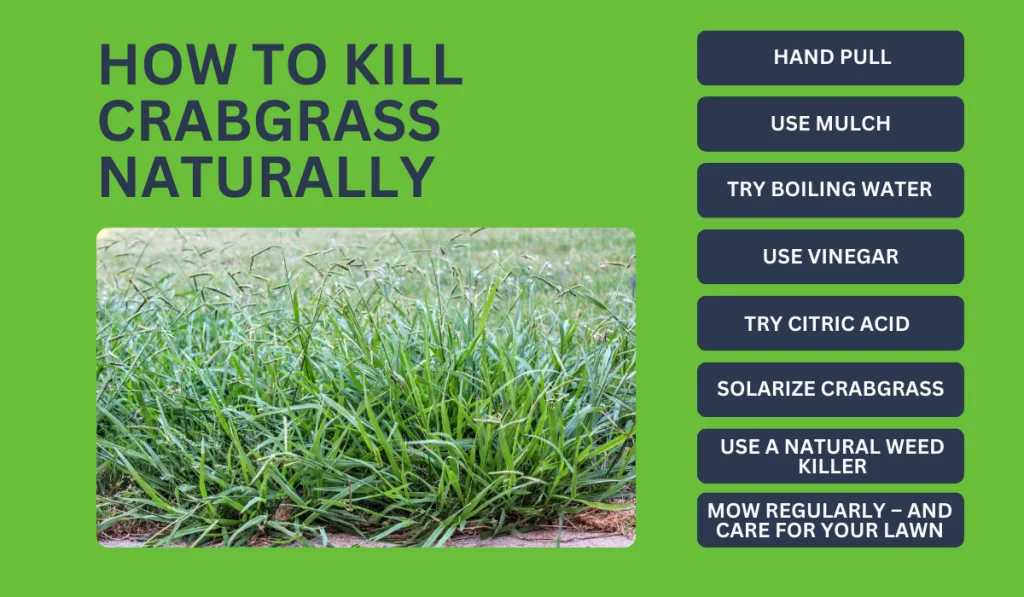
- Vinegar Solution: Apply household vinegar directly on young crabgrass plants to kill them. Be cautious to avoid harming surrounding grass.
- Boiling Water: Pour boiling water onto crabgrass patches for a quick kill. This method is effective but can also harm nearby plants.
- Manual Removal: Regularly hand-pull young weeds before they seed.
These methods may require repeated applications but are safer for the environment and your family.
Using Proper Lawn Maintenance Tools
Investing in the right tools can make crabgrass removal simpler and more effective:
- Hoe or Weeding Fork: Useful for loosening soil and extracting deep-rooted weeds.
- Garden Gloves: Protect your hands while pulling weeds or applying organic solutions.
- Spray Bottles or Herbicide Applicators: For targeted application of natural or chemical treatments.
Maintaining your tools in good condition ensures better results and makes weed removal less labor-intensive.
Combining Strategies for Best Results
Using a mix of methods often yields the best results. Start with preventative measures, then address existing weeds with manual removal or herbicides. Regular lawn care keeps crabgrass from gaining a foothold over time.
Dealing with Persistent Crabgrass
Sometimes, crabgrass persists despite your efforts. In such cases:
- Reevaluate your lawn’s health and soil conditions.
- Apply a second round of pre-emergent herbicide for ongoing prevention.
- Upgrade your lawn care routine to promote dense, lush grass.
- Consider consulting a lawn care professional for severe infestations.
Persistence and consistent maintenance are key when fighting stubborn crabgrass.
Additional Tips for a Crabgrass-Free Lawn
Keep in mind these extra tips:
- Monitor your lawn regularly for early crabgrass growth.
- Apply herbicides during the recommended times for maximum effectiveness.
- Avoid over-watering, which can favor weed growth.
- Ensure proper soil pH and health for your grass type.
By staying vigilant and maintaining good lawn practices, you can significantly reduce crabgrass problems.
—
By understanding when and how to remove crabgrass effectively and adopting a proactive lawn care routine, you can keep your yard healthy and weed-free. Combining chemical, manual, and organic methods tailored to your lawn’s needs offers the best chance for long-term control. Remember, patience and consistency make a big difference in maintaining a lush, crabgrass-free lawn.
How to Get Rid of Crabgrass (4 Easy Steps)
Frequently Asked Questions
What are effective methods to remove crabgrass naturally?
Applying a thick layer of mulch around your garden plants helps prevent crabgrass from establishing. Additionally, overseeding your lawn with dense, healthy grass species can outcompete crabgrass. Regularly watering your lawn ensures grass remains strong, making it harder for crabgrass to take hold. Hand-pulling crabgrass plants early in the season also controls their spread without chemicals.
How can proper lawn maintenance reduce crabgrass growth?
Maintaining a healthy, dense lawn through proper mowing at the right height encourages strong grass growth. Fertilizing the lawn appropriately provides essential nutrients, promoting vigorous turf development. Consistent watering keeps the soil moist and supports healthy grass, leaving less space for crabgrass. Aerating the soil improves root growth and reduces soil compaction, making it less favorable for crabgrass emergence.
What chemical treatments are most effective against crabgrass?
Pre-emergent herbicides, applied before crabgrass germinates in spring, effectively prevent its growth. Post-emergent herbicides work on existing crabgrass plants but should be used carefully to avoid damaging desirable grass species. Always follow the manufacturer’s instructions regarding application timing and safety precautions to maximize results and protect your lawn.
When is the best time to remove crabgrass from my lawn?
The ideal time to remove crabgrass depends on your local climate, but generally, early spring before the seedlings sprout is best for pre-emergent applications. For existing crabgrass patches, hand-pulling or applying herbicides when the plants are young and actively growing minimizes their spread. Regular monitoring throughout the growing season helps catch and control crabgrass early.
Are there any preventative measures to stop crabgrass from returning?
Applying pre-emergent herbicides each spring forms a barrier that prevents crabgrass seeds from sprouting. Maintaining a thick, healthy lawn with proper fertilization and watering reduces open spaces for crabgrass to invade. Aerating and overseeding regularly also strengthen your turf, making it less vulnerable to future invasions. Consistent lawn care practices create a hostile environment for crabgrass growth.
Final Thoughts
The best way to remove crabgrass involves a combination of prevention and targeted treatment. Regularly aerate and overseed your lawn to strengthen grass and reduce bare spots where crabgrass thrives. Apply pre-emergent herbicides in early spring to stop crabgrass seeds from germinating. For existing patches, use a post-emergent herbicide specifically designed for crabgrass.
Consistent lawn maintenance and timely interventions are key. By staying proactive and applying the right treatments at the right time, you can effectively control crabgrass and maintain a healthy, lush lawn. These strategies ensure you manage crabgrass efficiently and keep your yard looking its best.