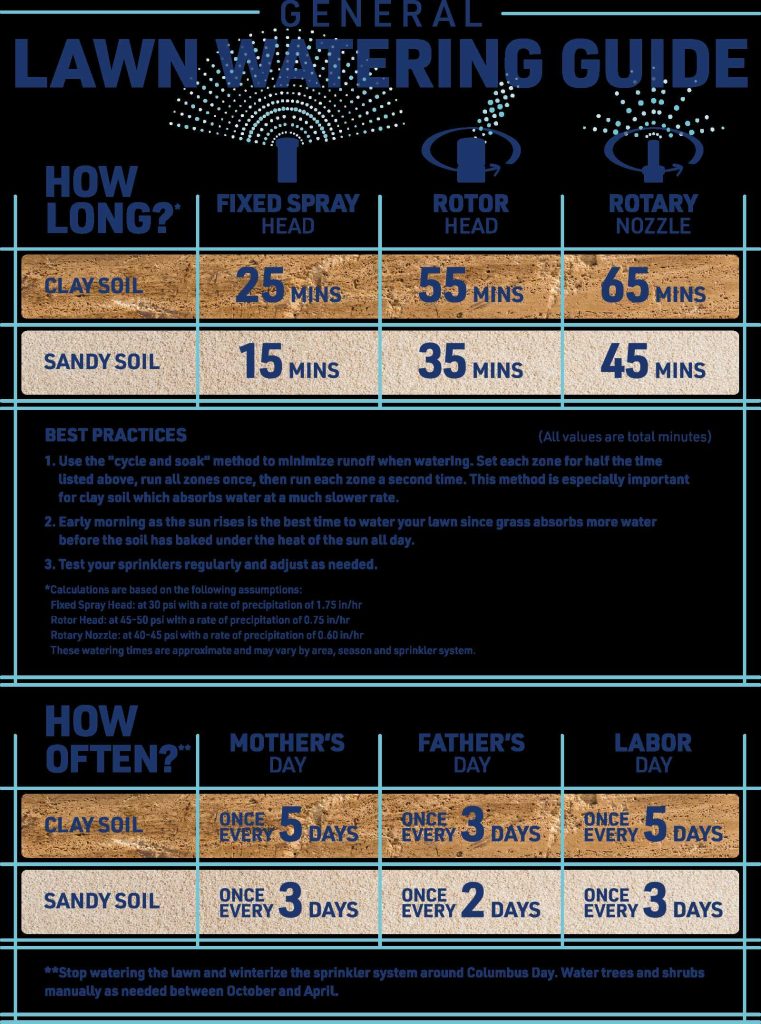
The best watering schedule for grass is to deeply water your lawn about once or twice a week, depending on weather conditions, ensuring the soil gets moist to a depth of 6 to 8 inches. This encourages strong root growth and helps your grass withstand droughts, all while avoiding overwatering that can lead to disease. Consistency and timing are key—watering early in the morning is ideal to reduce evaporation and fungal issues. By understanding what your lawn needs based on the season and soil type, you can craft a watering routine that keeps your grass lush and healthy without wasting water. Proper watering not only boosts your lawn’s appearance but also promotes long-term resilience, making your yard the envy of every neighbor.

What is the best watering schedule for grass
Knowing the right watering schedule is key to maintaining a lush, healthy lawn. Too little water can leave your grass dry and brown, while too much can cause root rot and fungal problems. Finding the perfect balance helps your grass stay vibrant and strong throughout the year.
Understanding grass needs and soil types
Every type of grass has unique watering requirements, so starting with the right information is important. Cool-season grasses, like bluegrass and fescue, generally need more water during cooler months, while warm-season grasses, such as Bermuda and zoysia, thrive with less frequent watering.
Soil type also influences watering schedules. Sandy soils drain quickly and may require more frequent watering, whereas clay soils retain moisture longer and need less watering but benefit from deeper, less frequent sessions.
Importance of deep watering
Deep watering encourages grass roots to grow deeper into the soil, which helps the lawn stay healthy and resilient. Shallow watering promotes weak roots that struggle to access moisture, leading to a fragile lawn susceptible to drought stress.
For most grasses, watering until the moisture reaches about six inches below the surface creates a strong root system. This often means irrigating less often but for longer periods.
How often should you water your grass?
During Spring and Fall
In mild weather, watering two to three times a week usually suffices. Focus on giving your lawn about one to one and a half inches of water each week, including rainfall.
In Hot Summer Months
During peak heat, your lawn may need watering up to four times a week. Make sure each session supplies enough moisture for the roots to reach six inches deep.
In Cooler Winter Weather
Most grasses go into dormancy and require little to no watering, especially in regions with regular winter rainfall. Only water if the soil becomes very dry and the grass shows signs of drought stress.
Timing is key: When to water your lawn
Best time of day
The early morning, between 4 a.m. and 9 a.m., is ideal for watering. During this time, dew on the grass evaporates quickly, reducing fungal risks and conserving water. Avoid watering late in the evening, as prolonged moisture can promote disease.
How much water to use
Aim for about one inch of water per session. Use a rain gauge or a small container placed on the lawn to measure the amount. This ensures your grass receives enough moisture without overwatering.
Monitoring and adjusting your watering schedule
Signs your grass needs more water
- Grayish, bluish-green color
- Footprints staying visible long after walking on the lawn
- Wilting or drooping blades
Signs of overwatering
- Yellowing or browning patches
- Soft, spongy ground
- Increased weeds and moss growth
Adapting your schedule based on weather
During rainy periods, reduce watering frequency. Conversely, extend intervals during droughts or heatwaves. Adjustments can prevent waste and ensure your lawn’s health.
Using irrigation systems effectively
Choosing the right sprinkler
Pop-up spray heads, rotor sprinklers, or soaker hoses all work well if used correctly. Ensure the sprinkler covers the entire lawn evenly without wasting water on sidewalks or driveways.
Optimizing watering zones
Different areas of your yard may have varying needs due to shade, soil type, or exposure. Customize watering zones to match each area’s specific requirements for best results.
Other tips to improve watering efficiency
- Water early in the morning to minimize evaporation
- Apply mulch around the lawn to retain moisture
- Avoid watering during windy conditions to prevent water runoff
- Regularly check for leaks or broken sprinkler heads to prevent waste
Benefits of a proper watering schedule
Adhering to an appropriate watering routine boosts root growth, enhances drought resistance, and improves overall lawn health. Proper watering also reduces the risk of diseases caused by excess moisture or dry stress.
Furthermore, efficient watering can save money on water bills and reduce environmental impact by eliminating unnecessary runoff. Ultimately, consistent and smart watering keeps your lawn green, vibrant, and resilient year-round.
Related topics to consider
Fertilization and watering
Applying fertilizer at the right time and following up with proper watering supports nutrient absorption and promotes lush growth.
Pest and disease prevention
Proper watering can help prevent common issues like fungal diseases and pests that thrive in overly wet or dry conditions.
Seasonal lawn care tips
Adjust your watering schedule to match seasonal changes, ensuring your lawn remains healthy through every part of the year.
In summary, maintaining the **best watering schedule for grass** revolves around understanding your lawn’s specific needs, monitoring moisture levels, and timing your watering sessions properly. By providing deep, infrequent waterings early in the day, and adjusting based on weather conditions, you create a resilient, thriving lawn that stays green and strong. Proper watering isn’t just about watering less but watering smartly to promote deep roots and overall lawn health.
How Much Should I Water My Lawn? | Lawn Watering Tips
Frequently Asked Questions
How can I determine the optimal watering frequency for my grass?
To find the best watering frequency, observe your grass and soil conditions. Water deeply once or twice a week, depending on rainfall and temperature. Ensure the soil remains moist but not waterlogged. Adjust your schedule based on the grass’s response and local weather patterns, favoring deep watering that encourages strong root growth.
What time of day is ideal for watering my lawn?
The best time to water your lawn is early morning, ideally between 6 a.m. and 10 a.m. This allows water to soak into the soil before the heat of the day causes evaporation. Watering in the evening is not recommended because it can promote disease due to prolonged moisture on the grass overnight.
How can I modify my watering schedule during periods of drought or heavy rainfall?
During drought conditions, increase watering frequency to ensure your lawn gets enough moisture, but avoid overwatering. During heavy rainfall, cut back or skip watering sessions to prevent water runoff and soil saturation. Keep an eye on weather forecasts and soil moisture levels to adjust your schedule accordingly.
What signs indicate that my grass is not receiving enough water?
If your grass starts to turn a dull blue-green color, develops footprints that remain visible, or the blades appear wilted or yellowed, it likely needs more water. Inconsistent or shallow watering can lead to uneven patches. Regularly check the soil moisture to verify whether your watering routine suffices.
How does soil type affect the watering schedule for my grass?
Sandy soils drain quickly and require more frequent watering to keep grass healthy. Clay soils retain moisture longer, so they need less frequent watering but may require deeper watering sessions. Understanding your soil type helps you tailor your watering schedule, promoting optimal root development and lawn health.
Final Thoughts
The best watering schedule for grass depends on climate, soil type, and grass variety. Typically, providing deep, infrequent watering encourages deep roots and healthier growth. Water early in the morning to minimize evaporation and prevent disease. Adjust the frequency based on weather conditions, watering more during dry spells and less when rain occurs. Following this pattern ensures your lawn remains vibrant and resilient. Ultimately, the best watering schedule for grass promotes strong roots and lush growth while conserving water and reducing disease risks.