The quickest way to restore your Bermuda grass and keep it healthy is by applying a targeted fungicide combined with proper Lawn maintenance. The best fungus treatment for Bermuda involves identifying the specific disease, such as brown patch or dollar spot, and using an appropriate fungicide to eliminate it. Consistent watering, proper mowing, and aeration also play crucial roles in preventing future outbreaks and maintaining lush, green turf.
If your Bermuda grass is suffering from fungal issues, don’t worry—there are effective treatments available. The key is to correctly diagnose the problem first and then choose the right fungicide to combat it. Combining chemical treatment with good lawn care practices can restore your Bermuda to its vibrant, healthy state quickly and efficiently. Keep reading to discover the best methods and tips for fungal control in Bermuda grass, and get your lawn looking picture-perfect once again.

What is the Best Fungus Treatment for Bermuda?
Understanding Bermuda Grass and Fungal Diseases
Bermuda grass is a popular choice for lawns in warm climates because of its durability and lush green appearance. However, it can fall prey to several fungal diseases that threaten its health. Identifying these fungi early can help you choose the most effective treatment.
Common fungal issues include brown patch, dollar spot, Pythium blight, and gray leaf spot. Each of these problems causes distinct symptoms, making accurate diagnosis important. Proper treatment depends on knowing which fungus is affecting your turf.
Signs and Symptoms of Fungal Infections in Bermuda Grass
Fungal infections often cause discolored patches on your lawn. Brown patches, for instance, may appear suddenly and grow rapidly during humid, hot weather. Dollar spot looks like small, silver-dollar-sized spots that turn light tan.
Pythium blight produces greasy, dark patches that may collapse under foot traffic. Gray leaf spot causes grayish-brown lesions on the leaves, reducing photosynthesis. Recognizing these signs helps you act quickly to prevent spreading.
Preventative Measures to Reduce Fungal Growth
Prevention is the first step towards controlling fungi on Bermuda grass. Proper lawn care minimizes fungal problems and includes:
- Good irrigation practices — water early in the day to prevent prolonged leaf wetness.
- Maintaining optimal mowing height — keeping Bermuda at about 1.25 to 1.5 inches reduces stress.
- Proper fertilization — avoid overfeeding with nitrogen, which can promote fungus growth.
- Thatch management — remove excess thatch to improve air circulation.
- Ensuring good drainage — prevent water accumulation that creates a breeding ground for fungi.
Adopting these measures creates an environment less favorable for fungal development.
Choosing the Right Fungicide for Bermuda Grass
Selecting an effective fungicide depends on the specific fungus affecting your lawn. Always read labels carefully to confirm the product targets the identified disease.
Some fungicides are broad-spectrum, controlling multiple fungi, while others target specific pathogens. Common active ingredients include chlorothalonil, propiconazole, and myclobutanil.
You should also consider organic options, especially for environmentally conscious homeowners. Organic fungicides like neem oil or copper-based treatments can help manage mild infections.
Types of Fungicides and How to Use Them
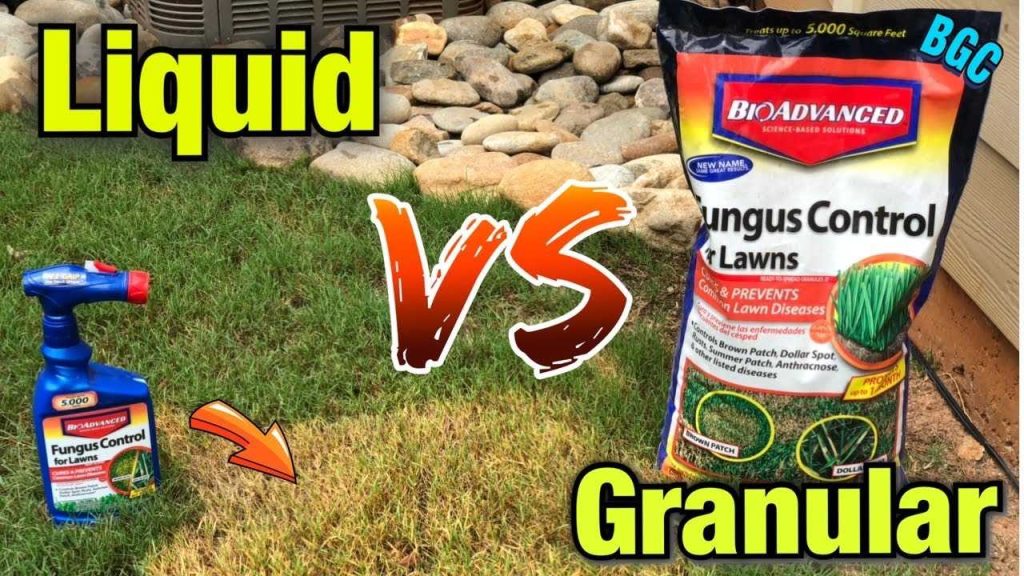
Fungicides come in many formulations, including liquid concentrates, granular, and ready-to-use sprays.
- Liquid fungicides: Spray evenly over the affected area, applying at the recommended intervals.
- Granular fungicides: Spread around the lawn and water in thoroughly.
- Ready-to-use sprays: Convenient for spot treatments on small patches.
Always follow the label instructions carefully, including application timing and safety precautions.
Natural and Organic Fungicide Options
For those preferring organic methods, options include:
- Neem oil: Acts as both a fungicide and insect repellent. Apply every seven to ten days.
- Copper-based fungicides: Offer effective control against many fungal diseases.
- Milk solutions: Diluted milk sprayed on leaves can reduce gray leaf spot and other fungi.
Organic treatments are generally safer for pets, children, and the environment but may require more frequent applications.
Integrated Disease Management Strategies
Combining cultural practices with chemical treatments can give the best results. Focus on:
- Regular monitoring of your lawn for early signs of disease.
- Removing thatch and debris that harbor fungi.
- Applying fungicides at the first sign of infection to prevent outbreaks.
- Adjusting watering schedules to reduce leaf wetness duration.
- Maintaining proper mowing and fertilization routines.
This integrated approach ensures a healthier, fungus-resistant Bermuda grass lawn.
Environmental Factors Influencing Fungus Development
Climate plays a significant role in fungal growth. High humidity, frequent rainfall, and warm temperatures favor fungi proliferation.
To combat these conditions, improve air circulation and avoid watering late in the day. Aeration can help reduce soil compaction and improve drainage, making your lawn less hospitable to fungi.
Longevity and Effectiveness of Fungicide Treatments
Most fungicides provide protection for two to four weeks after application. Reapplication may be necessary during prolonged humid weather or if infections recur.
Choose products with longer residual effects for less frequent treatments. Consistent lawn maintenance supports the longevity of your fungal defense.
Additional Tips for Healthy Bermuda Grass
Healthy turf is naturally resistant to fungi. Regular overseeding and aeration promote strong root systems.
Maintain proper pH levels between 5.5 and 6.5 for Bermuda grass to thrive. Mulching and proper watering help keep the roots healthy and resilient.
Related Topics to Consider
Other issues linked to Bermuda grass health include pest control, soil testing, and weed management. Addressing these areas complements your fungal treatment efforts.
Managing pests such as grubs and insects prevents additional stress on your grass, reducing susceptibility to fungal diseases. Soil tests can guide fertilization and pH adjustments for optimal growth.
By understanding the relationship between environmental factors, lawn care practices, and fungicide options, you can effectively control and prevent fungal infections on Bermuda grass. Regular maintenance and early intervention form the foundation of a lush, healthy lawn free from fungal problems.
This kills Lawn Funguses for CHEAP and easy.
Frequently Asked Questions
What are effective fungicides to control Bermuda grass fungal infections?
Applying approved fungicides such as propiconazole, tebuconazole, or myclobutanil can effectively manage common fungal issues in Bermuda grass. It’s essential to follow the manufacturer’s instructions regarding application rates and timing to ensure optimal results and minimize damage to your turf.
How can cultural practices help in preventing fungus on Bermuda grass?
Implementing proper watering techniques, such as watering early in the day and avoiding over-irrigation, reduces excess moisture that fungi thrive on. Additionally, mowing at the correct height, aerating the soil, and removing thatch build-up can improve air circulation and overall turf health, making it less susceptible to fungal infections.
Are organic treatments available for fungus control in Bermuda grass?
Yes, organic options like neem oil, compost teas, or copper-based products can help manage fungal growth naturally. These treatments improve the plant’s resistance and inhibit fungal development without the use of synthetic chemicals, offering a more environmentally friendly approach.
What is the importance of early detection in controlling Bermuda grass fungi?
Spotting signs of fungal infection early allows for prompt treatment, preventing the problem from spreading extensively. Regularly inspecting your turf for discoloration, thinning patches, or mold helps catch issues in the initial stages, making control efforts more effective and less costly.
Final Thoughts
The best fungus treatment for Bermuda depends on the specific type of fungus and the severity of the infection. Typically, fungicides containing propiconazole or chlorothalonil prove effective. Proper lawn maintenance, like aeration and proper watering, also plays a crucial role.
Consistently applying the right treatment at the first signs of fungus helps prevent extensive damage. Regular inspection and prompt action ensure a healthy, vibrant Bermuda grass.
In conclusion, the best fungus treatment for Bermuda involves selecting effective fungicides and maintaining proper lawn care practices.