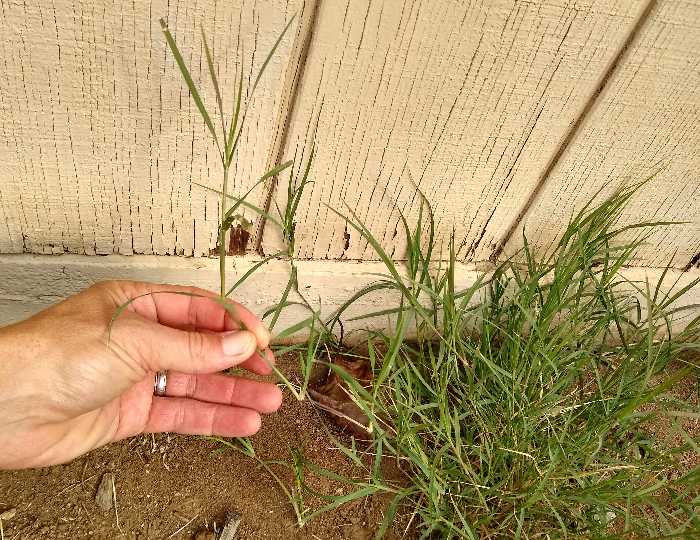
Quick answer: Overwatering, lawn pests, and fungal diseases are the main culprits destroying Bermuda grass. Addressing these issues promptly and practicing proper lawn care can revive and maintain a healthy, lush lawn.
If your Bermuda grass is suddenly turning brown, thinning out, or developing patches, you’re probably asking yourself, “What is killing my Bermuda grass?” The truth is, a combination of factors like improper watering, pest invasions such as grubs, or fungal infections like brown patch can wreak havoc on your turf. Poor drainage, over-fertilization, or inconsistent mowing can make your lawn more vulnerable. Many homeowners find themselves puzzled as to why their once vibrant Bermuda grass is now struggling to survive. Understanding the root causes—whether it’s pests, disease, or environmental stress—is key to restoring your lawn’s vitality. Fortunately, with a bit of detective work and proper lawn maintenance, you can identify the problem and bring your Bermuda grass back to life.

What Is Killing My Bermuda Grass? Understanding the Common Causes
Bermuda grass is a popular choice for lawns because it’s tough and resilient. However, many homeowners notice patches or thinning areas that seem to die out suddenly. Identifying what is causing the damage is the first step toward fixing the problem and restoring a lush, green lawn.
Overwatering and Poor Drainage
Overwatering can lead to Bermuda grass weakening and dying. When the soil stays too wet, roots can suffocate and become prone to rot. Poor drainage causes water to pool, creating a sauna-like environment that promotes disease.
- Signs of overwatering include yellowing patches and moss growth.
- Ensure your lawn has proper drainage by aerating soil and adjusting watering schedules.
- Water deeply but infrequently to avoid excess moisture around roots.
Underwatering and Drought Stress
On the flip side, Bermuda grass needs consistent moisture to stay healthy. Extended dry periods or irregular watering can cause the grass to turn brown and die.
- Look for dry, brittle patches that do not recover with watering.
- Deep watering once or twice weekly encourages strong root growth.
- Use a rain gauge to monitor how much water your lawn receives.
Inappropriate Mowing Practices
Cutting Bermuda grass too short or uneven mowing can weaken it, making it more vulnerable to disease and pests. The ideal height for Bermuda is around 1 to 2 inches.
Effects of Low Mowing
Mowing too low stresses the grass, exposing soil and reducing energy reserves. This can lead to patchy areas that die out over time.
Proper Mowing Techniques
Maintain consistent mowing height, and never cut more than one-third of the grass height at once. Use sharp blades to prevent tearing, which invites disease.
Pest Infestations
Several pests prefer Bermuda grass and can cause extensive damage if not controlled.
Common Pests and Their Signs
- Nematodes: cause root damage leading to thinning patches.
- Chinch Bugs: suck sap from blades, leaving dead spots.
- Armyworms and Cutworms: eat grass blades and stems, creating bare patches.
Controlling Pests
Implement integrated pest management by using appropriate insecticides, encouraging natural predators, and maintaining healthy grass.
Soil Imbalance and Nutrient Deficiency
Healthy Bermuda grass thrives in well-balanced soil with proper nutrients. Lack of essential elements can cause discoloration and patchiness.
Examining Soil Health
Conduct soil tests to determine deficiencies, especially in nitrogen, phosphorus, or potassium.
Correcting Nutrient Imbalances
Apply fertilizers based on test results, using a balanced lawn fertilizer. Organic amendments like compost can improve overall soil health.
Disease Issues Affecting Bermuda Grass
Fungal and bacterial diseases are common threats that can quickly kill patches of Bermuda grass. Recognizing signs early helps prevent widespread damage.
Common Diseases
- Dollar Spot: appears as small circles of dead grass, often with a sunken look.
- Brown Patch: creates large, irregular brown areas with a purple-gray mold.
- Gray Leaf Spot: causes grayish spots with darker borders.
Preventing and Treating Grass Diseases
Good lawn hygiene, proper watering, and fungicide treatments can control disease spread. Remove and dispose of affected grass to prevent reinfection.
Excessive Traffic and Compaction
Heavy foot traffic or equipment on Bermuda grass causes soil compaction, reducing air and water movement to roots. This stress weakens the grass and promotes bare patches.
Signs of Soil Compaction
Compact soil feels hard and prevents seedling establishment or root expansion.
Relieving Soil Compaction
Aerate the lawn regularly, especially in high-traffic areas. Consider adding organic matter to improve soil structure.
Shade and Sunlight Issues
Bermuda grass requires full sun to thrive. Areas with excessive shade become thin and vulnerable.
- In shaded regions, grass may turn brown or thin out.
- Prune nearby trees to increase sunlight penetration.
- If shade persists, consider alternative grass species suited for low-light areas.
Environmental Factors and External Hazards
Other factors like chemical spills, herbicide damage, or nearby construction can harm Bermuda grass.
Handling Chemical Damage
Avoid over-application of herbicides or pesticides. Follow instructions carefully to prevent unintended grass damage.
Protection During Construction
Shield your lawn from heavy machinery or debris during construction projects. Reseed or patch areas as needed afterward.
Choosing the Right Management Strategy
Addressing what’s killing Bermuda grass begins with an accurate diagnosis. Combining good watering practices, pest control, soil management, and proper mowing helps restore vitality.
Integrated Lawn Care Tips
- Test soil regularly to tailor fertilization.
- Water deeply and infrequently to promote deep roots.
- Mow at the correct height and sharpen blades.
- Control pests and disease early.
- Aerate and dethatch when necessary.
Summary of Key Takeaways
- Overwatering and poor drainage are common killers of Bermuda grass.
- Inconsistent watering or drought stress can cause patches to die.
- Proper mowing height and frequency support healthy growth.
- Pests and diseases are major threats that require early intervention.
- Soil health is central to the grass’s resilience; regular testing and fertilization are essential.
- Environmental factors, shade, and traffic contribute to lawn damage.
Having a healthy Bermuda lawn requires understanding these various factors. By addressing each cause carefully, you can prevent further damage and regain a lush, green yard. Regular maintenance, timely intervention, and proper care ensure your Bermuda grass stays vibrant and resilient for years to come.
Bermuda tips and tricks, top 10 mistakes on bermuda lawns
Frequently Asked Questions
What are common pests that can damage Bermuda grass?
Several pests can harm Bermuda grass, including armyworms, mole crickets, and grubs. These insects feed on the roots or blades of the grass, leading to thinning and brown patches. Regular inspection and proper lawn maintenance can help control infestations and keep the grass healthy.
How does over-fertilization affect Bermuda grass health?
Applying too much fertilizer can lead to excessive growth that weakens the grass, making it more susceptible to diseases and pests. Over-fertilization can also cause thatch buildup, which prevents air, water, and nutrients from reaching the roots. Follow recommended fertilizer schedules and amounts for optimal growth.
What environmental factors cause Bermuda grass to die off?
Extreme environmental conditions like drought, excessive heat, or poor soil drainage can stress Bermuda grass, causing it to turn brown or die. Lack of water or standing water issues can damage the root system, making the grass more vulnerable to disease and pests. Proper watering practices and soil management help mitigate these problems.
Can disease outbreaks lead to the death of Bermuda grass?
Yes, fungal diseases such as dollar spot, brown patch, or leaf spot can weaken and kill Bermuda grass if left untreated. These diseases often thrive in humid or overly moist conditions. Keeping the lawn healthy through proper mowing, watering, and aeration reduces disease risk and promotes resilient turf.
What role does soil health play in preventing Bermuda grass decline?
Healthy soil provides essential nutrients and proper drainage, supporting strong root development. Poor soil conditions, such as compaction or nutrient deficiency, can cause Bermuda grass to weaken and die. Conducting soil tests and amending the soil accordingly can improve overall turf health and prevent decline.
Final Thoughts
What is killing my Bermuda grass? Common culprits include pests like grubworms and chinch bugs, which damage the roots and leaves. Overwatering and poor soil drainage also cause root rot and disease, weakening the grass. Additionally, extreme temperatures and improper mowing height stress the turf. Identifying these factors helps protect your Bermuda grass and keeps it healthy. Focusing on proper watering, pest control, and mowing practices ensures your lawn stays vibrant and resilient.