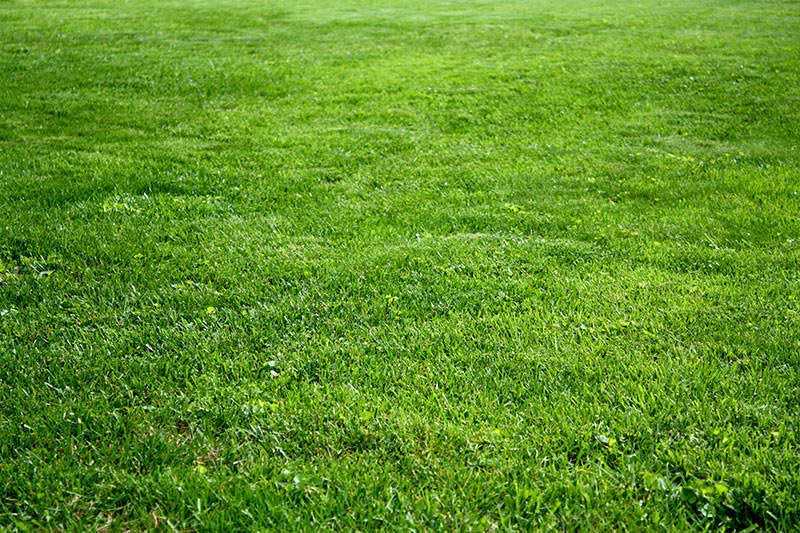
Kentucky bluegrass is a popular grass type that transforms dull lawns into lush, vibrant green spaces, making it a favorite for many homeowners and landscapers alike. Wondering what it’s used for? Kentucky bluegrass is primarily cultivated for its stunning appearance and durability in creating beautiful lawns, sports fields, and golf courses. It’s loved for its fine texture and ability to recover quickly from damage, providing a dense, soft turf that’s perfect for outdoor activities and aesthetic appeal.
In just a few words, Kentucky bluegrass is used mainly for establishing attractive, resilient lawns and sports grounds. It’s also valued in parks and recreational areas where a combination of beauty and performance is desired. Whether you’re aiming for a perfect backyard or a professional sports field, Kentucky bluegrass offers both a lush look and practical functionality.
If you’re curious about how this grass can elevate your outdoor space, keep reading. We’ll explore its key uses and why it’s a top choice among turf grasses, highlighting its versatility and benefits for various landscaping needs.

What is Kentucky Bluegrass Used For
Introduction to Kentucky Bluegrass
Kentucky Bluegrass is a popular cool-season grass known for its vibrant green color and soft texture. It thrives in areas with moderate temperatures and well-drained soil. People use it mainly for lawns, sports fields, and other outdoor spaces because of its durability and lush appearance.
Primary Uses of Kentucky Bluegrass
1. Landscaping and Lawns
Kentucky Bluegrass is a top choice for residential lawns. Its dense growth provides a beautiful, carpet-like appearance that enhances curb appeal. Gardeners love its quick recovery from foot traffic and its ability to grow evenly over large areas.
2. Sports Fields and Golf Courses
This grass type is frequently used in sports stadiums and golf courses. Its fine texture and strong root system make it ideal for areas with high foot traffic and play. Kentucky Bluegrass maintains a consistent playing surface, helping athletes perform better.
3. Erosion Control and Ground Cover
Due to its vigorous growth habit, Kentucky Bluegrass is effective in controlling soil erosion. It is often planted on slopes and banks to stabilize the soil and prevent runoff during heavy rains.
Why Kentucky Bluegrass Is Ideal for These Uses
Its adaptability to cool climates and resilience make Kentucky Bluegrass a practical choice. It heals quickly when damaged and can withstand drought conditions better than other grasses. Its vibrant color and soft feel make it appealing for both aesthetic and practical purposes.
Details on Kentucky Bluegrass in Landscaping
Choosing the Right Varieties
Many varieties exist, each suited for specific uses. For example, some are more shade-tolerant, while others have better drought resistance. Popular cultivars include ‘Midnight,’ ‘Arkansas,’ and ‘Winston,’ each offering different benefits.
Planting and Maintenance Tips
To grow healthy Kentucky Bluegrass, use well-draining soil rich in organic matter. Keep the soil moist during germination, and mow regularly to encourage dense growth. Fertilizing with nitrogen supports lush, green growth throughout the season.
Kentucky Bluegrass in Sports and Recreation
Benefits on Sports Fields
The grass provides a smooth, firm surface, which reduces injuries and improves gameplay. Its fine texture allows for precise ball roll, essential for sports like soccer, football, and baseball.
Suitability for Golf Courses
Golf courses favor Kentucky Bluegrass because it creates a consistent putting surface. Its ability to recover quickly from divots and foot traffic reduces maintenance costs and enhances the overall look.
Environmental Benefits of Kentucky Bluegrass
Soil Improvement and Water Filtration
The dense root system helps improve soil health by aerating the ground and increasing organic matter. It also filters rainwater, reducing runoff and promoting groundwater recharge.
Carbon Sequestration and Air Quality
Like many grasses, Kentucky Bluegrass absorbs carbon dioxide from the air. It helps improve air quality and reduces the heat island effect in urban areas.
Additional Uses of Kentucky Bluegrass
Livestock and Animal Grazing
While not a primary forage crop, Kentucky Bluegrass can sometimes be used for grazing in mixed pasture systems. Its nutritional value supports livestock health when managed properly.
Ornamental Uses
Its beautiful, lush appearance makes Kentucky Bluegrass popular in ornamental landscapes. It serves as a ground cover around trees and flower beds, creating a cohesive and vibrant outdoor space.
Maintenance and Care for Optimal Use
Watering and Fertilization
Regular watering maintains its lush appearance, especially during dry spells. Fertilize with nitrogen to encourage vigorous growth and a deep green color.
mowing and Thatching
Mow at heights around 2 to 3 inches to promote healthy growth. Remove thatch buildup periodically to ensure proper water and nutrient penetration.
Related Topics and Alternatives
- Comparison with Bermuda and Fescue grasses
- Best practices for overseeding Kentucky Bluegrass
- Organic lawn care options
Summary
Kentucky Bluegrass serves a wide range of purposes due to its aesthetic appeal and durability. It shines in residential lawns, sports fields, golf courses, and erosion control projects. Proper care and variety selection ensure it remains a top choice for outdoor spaces in cooler climates.
Kentucky Bluegrass Pros and Cons
Frequently Asked Questions
How does Kentucky bluegrass contribute to athletic fields?
Kentucky bluegrass provides a dense and resilient surface ideal for athletic fields. Its ability to recover quickly from foot traffic and maintain a smooth, even surface makes it popular for sports such as soccer, football, and baseball. The grass’s durability helps ensure safety and performance for athletes during competitions and practices.
In what types of landscaping is Kentucky bluegrass typically used?
Landscape designers frequently choose Kentucky bluegrass for lawns and parks due to its aesthetic appeal and durability. It creates lush, green lawns that enhance curb appeal around residential and commercial properties. The grass also works well in recreational areas where a high-quality turf is needed for outdoor activities.
What role does Kentucky bluegrass play in erosion control?
Kentucky bluegrass’s dense root system stabilizes soil and prevents erosion on slopes and landscaped areas. Its vigorous growth helps hold soil in place, reducing runoff and sediment displacement during heavy rains. This makes it an effective choice for maintaining soil integrity in various terrains.
Final Thoughts
Kentucky bluegrass primarily serves as a popular choice for lawns and golf courses due to its lush appearance. Its dense growth helps prevent soil erosion and maintains a healthy, green surface.
Farmers also use it for pasture and hay because of its drought tolerance and quick recovery.
In conclusion, what is kentucky bluegrass used for? It is mainly valued for its application in lawn maintenance, sports fields, and pastureland, making it an essential turfgrass in many outdoor settings.