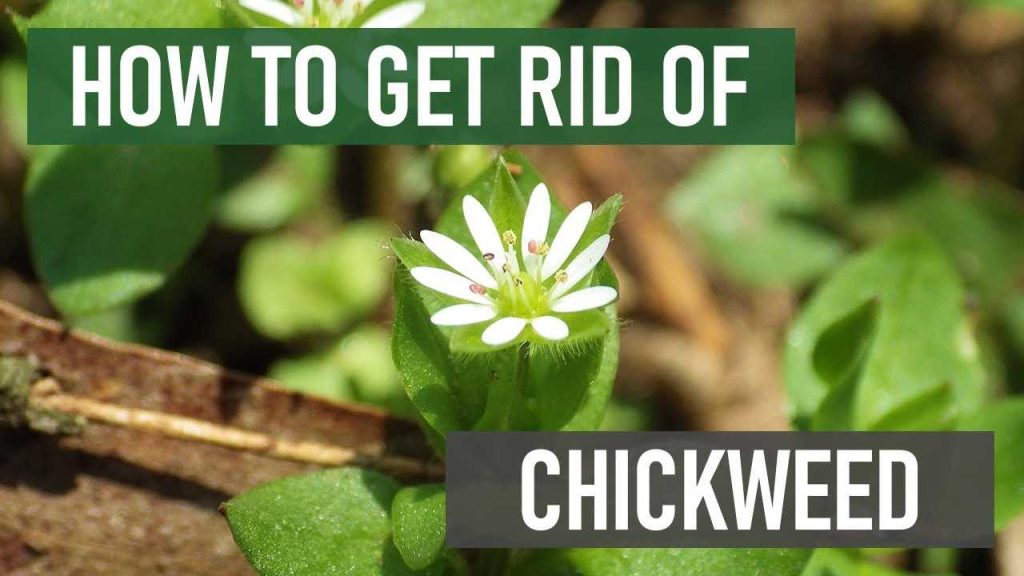
Chickweed is a common weed that many gardeners encounter, but it doesn’t have to be a troublesome guest in your garden. If you’re wondering how to get rid of it, there are several effective methods you can try. Quick solutions include pulling it out by hand, using mulch to smother it, or applying a natural herbicide. Understanding what chickweed is and why it thrives in your garden can also help you manage it better. This blog will delve into the characteristics of chickweed, its growth patterns, and various strategies for control, ensuring that your garden remains healthy and beautiful. Let’s tackle this pesky weed together!

What Is Chickweed And How To Get Rid Of It
Chickweed is a common weed that often appears in gardens, lawns, and agricultural fields. It thrives in moist, well-drained soil and can quickly take over if left unchecked. Knowing what chickweed is and how to manage it can help keep your garden healthy and beautiful.
Identifying Chickweed
Chickweed has distinctive characteristics that make it identifiable. Most notably, it has small, star-shaped white flowers that bloom from early spring to late fall. The leaves are oval, with a slightly hairy texture, and grow in opposite pairs along the stem.
- Height: Typically grows up to 12 inches tall.
- Leaves: Soft, green, and pointed with smooth edges.
- Flowers: Small, white, and consist of five petals that are deeply cleft.
Understanding these features will help you identify chickweed before it spreads further in your garden.
Why Chickweed Is Considered a Problem
Chickweed can crowd out other plants, stealing nutrients and sunlight. This makes it particularly troublesome for gardeners and farmers.
- Competition: It competes with your cherished plants for resources.
- Rapid Growth: It can grow quickly and spread over a large area in a short time.
- Resilience: Chickweed adapts well to various environments, making it hard to control.
Being aware of these issues helps you take proactive steps to manage chickweed effectively.
Methods to Remove Chickweed
There are several methods available to control and remove chickweed. Each option has its pros and cons, so it’s essential to choose the right one for your situation.
Hand Pulling
One of the simplest methods to get rid of chickweed is hand pulling. Ensure you pull it out, including the roots, to prevent regrowth.
- Best done after rainfall when the soil is moist.
- Wear gloves to protect your hands from irritation.
- Dispose of the plants properly by bagging them or composting them, if safe.
Hand pulling can be effective if done regularly and before it goes to seed.
Mulching
Using mulch can help smother chickweed and prevent it from growing back.
- Apply a layer of organic mulch, such as straw or wood chips.
- Cover the soil around your plants, leaving space around their stems.
- Replenish the mulch as it decomposes to maintain coverage.
Mulching also benefits your garden by retaining moisture and adding nutrients.
Herbicides
If chickweed has taken over, you may consider using herbicides. However, be cautious and choose the right product for your garden.
- Read labels carefully to ensure it targets chickweed specifically.
- Apply during the early growth stages for maximum effectiveness.
- Follow safety instructions to protect your plants and the environment.
Herbicides can provide quick results but should be used sparingly.
Preventing Chickweed Growth
Preventing chickweed from taking hold in your garden is just as important as removing it. Here are a few strategies to consider.
Healthy Lawn Practices
Maintaining a healthy lawn can keep chickweed at bay.
- Regularly mow to the recommended height for your grass type.
- Fertilize as needed to strengthen your grass.
- Water deeply and infrequently to encourage strong roots.
A thick, healthy lawn can outcompete weeds like chickweed.
Proper Plant Spacing
When planting flowers or vegetables, ensure proper spacing.
- Dense plantings can shade the soil, limiting weed growth.
- Use companion planting techniques to deter unwanted plants.
- Choose plants that thrive in your local conditions.
Proper spacing creates an environment that discourages chickweed growth.
Natural Remedies for Chickweed
Some gardeners prefer natural methods to handle chickweed, which can be effective and environmentally friendly.
Boiling Water
Pouring boiling water directly onto chickweed can kill it instantly.
- Be cautious to avoid any nearby plants.
- This method is best for small patches of chickweed.
- Repeat as necessary to prevent regrowth.
Boiling water is a simple and effective home remedy.
Vinegar Spray
A vinegar solution can serve as a natural herbicide.
- Mix one part white vinegar with one part water in a spray bottle.
- Apply the solution directly onto the leaves of the chickweed.
- Ensure to do this on a sunny day for the best results.
Vinegar can kill chickweed while being less harmful to the environment than traditional herbicides.
When to Act Against Chickweed
Timing can be crucial in managing chickweed effectively.
Spring and Fall
Chickweed thrives in cooler weather.
- Spring is a critical time for early intervention.
- Fall can also see a resurgence in growth.
- Regular inspections can help you catch issues early.
By acting in these seasons, you can reduce chickweed populations more effectively.
Watch for Seeding
Chickweed produces seeds quickly.
- Once you see flowers, it’s essential to act fast.
- A single plant can produce thousands of seeds.
- Removing plants before they flower can significantly reduce future growth.
Preventing chickweed from seeding can break its life cycle.
Chickweed can be quite a nuisance, but with the right knowledge and tools, you can manage it effectively. Understanding what chickweed is, how to identify it, and the best methods for removal will help you maintain a healthy garden. Adopting prevention strategies and considering natural remedies can further make a difference. With diligence and care, you’ll keep chickweed at bay and your garden flourishing.
How to Get Rid of Chickweed (4 Easy Steps!)
Frequently Asked Questions
“`html
What are the benefits of chickweed in the garden?
Chickweed serves several beneficial roles in the garden. It provides ground cover that helps retain soil moisture and prevent erosion. Its flowers attract pollinators, contributing to the overall health of the ecosystem. Additionally, chickweed can act as a natural mulch, suppressing weeds and reducing the need for chemical herbicides.
How does chickweed spread?
Chickweed spreads primarily through its seeds, which can be dispersed by wind, water, or human activities. It can also spread vegetatively, as the plant readily roots at the nodes when they make contact with the soil. This ability to reproduce quickly makes it a resilient pest in gardens and lawns.
What conditions favor the growth of chickweed?
Chickweed thrives in cool, moist conditions and often appears in early spring or fall. It prefers shady areas but can also grow in full sun. Soil that is rich in nitrogen and organic matter promotes its growth, making it a common sight in both gardens and lawns where these conditions exist.
Can chickweed be used in cooking?
Yes, chickweed is edible and can be used in various dishes. Its leaves and stems have a mild flavor that works well in salads, sandwiches, and smoothies. It is rich in vitamins and minerals, making it a nutritious addition to your meals.
What are some natural ways to control chickweed?
To control chickweed naturally, you can manually pull it out, ensuring to remove the roots to prevent regrowth. Applying mulch effectively blocks sunlight, suppressing its growth. Additionally, using boiling water or vinegar as a spot treatment can help eliminate chickweed without harming the surrounding plants.
“`
Final Thoughts
Chickweed is an opportunistic weed that thrives in moist environments and can quickly take over gardens and lawns. Identifying it early is key to preventing it from spreading.
To get rid of chickweed, consider manual removal, applying mulch, or using herbicides specifically designed for broadleaf weeds.
Regular maintenance and proper lawn care practices will also help keep chickweed at bay. Understanding ‘What Is Chickweed And How To Get Rid Of It’ can empower you to maintain a healthy garden.