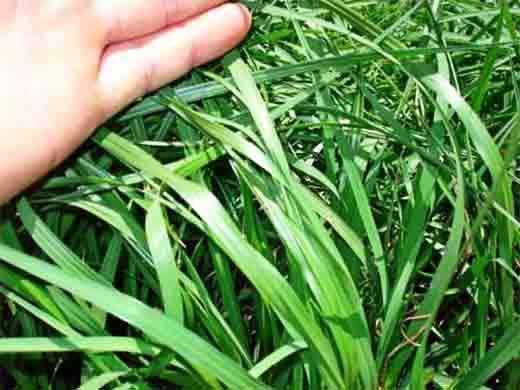
Argentine Bahia grass is a warm-season turfgrass celebrated for its lush green appearance and durability. If you’re wondering what makes this grass stand out, you’ve come to the right place! Essentially, Argentine Bahia is a variety of Bahia grass known for its adaptability to hot climates, low water requirements, and excellent ground cover. It’s a popular choice for lawns, sports fields, and pastures in warmer regions.
In short, Argentine Bahia is a resilient, drought-tolerant grass that thrives in sunny, dry conditions. It provides a dense, easy-to-maintain lawn that’s both visually appealing and practical for areas with limited water resources.
Argentina Bahia grass, or simply Bahia grass, is a tropical grass native to South America, particularly Argentina and Brazil. It is a warm-season perennial that grows low and spreading, forming a thick mat. Known for its deep roots and drought resistance, it can withstand harsh conditions that other grasses might struggle with. Its coarse texture and bright green color make it a favorite for large open spaces, especially in regions with hot, dry summers. This grass is also appreciated in areas where low maintenance is essential, as it requires less frequent watering and mowing compared to more delicate grasses. Overall, Argentine Bahia is a hardy, economical choice for creating a durable and attractive landscape in suitable climates.

What is Argentine Bahia Grass?
Argentine Bahia grass is a popular warm-season grass used widely in lawns, pastures, and sports fields. It is known for its resilience and ability to thrive in hot, sunny environments. This grass variety has become a favorite among homeowners and farmers alike.
Origins and Background of Argentine Bahia Grass
This grass originated in South America, particularly in regions of Argentina. It belongs to the genus Paspalum, which includes several species of grasses suited for tropical and subtropical zones. The Argentian Bahia is a cultivar developed specifically for its durability and low maintenance needs.
Over the years, farmers and landscapers have cultivated Argentine Bahia for its ability to withstand harsh weather conditions. It has gained popularity building on its reputation for being tough and easy to care for.
Physical Characteristics of Argentine Bahia Grass
Argentine Bahia has a dense, lush appearance with fine to medium texture leaves. The blades tend to be broad and flat, which helps it hold moisture effectively. Its color ranges from vibrant green during the growing season to duller shades during dormancy.
Typically, this grass can grow up to 12 inches tall but can be easily maintained at a shorter height for better appearance and health. Its root system is extensive, aiding in drought resistance and soil stabilization.
Growth Habit and Patterns
One of the key features of Argentine Bahia is its stoloniferous growth habit. It spreads through above-ground runners known as stolons, which help it cover large areas quickly. This spreading nature makes it an excellent ground cover option.
The grass tends to grow vigorously during warm months but enters dormancy during cooler seasons. Proper management helps it maintain a dense and even appearance throughout the year.
Climate and Soil Preferences
Argentine Bahia thrives best in warm, sunny climates with temperatures ranging from 80°F to 95°F. It is well-adapted to areas with high humidity and can tolerate periods of drought once established.
It prefers well-drained soils with a pH between 5.5 and 7.5. The grass can adapt to sandy, loamy, and clayey soils, though sandy soils may require additional watering and fertilization for optimal growth.
Maintenance and Care Requirements
This grass type is known for its low maintenance needs. Regular mowing, about 2 to 3 inches high, encourages healthy growth and prevents pests. Fertilization should be done seasonally to support lush green color and density.
Argentine Bahia also benefits from occasional aeration to reduce soil compaction. Proper watering practices, especially during drought periods, help sustain its vibrancy and robustness.
Watering Tips for Argentine Bahia
- Water deeply and infrequently to promote deep root growth.
- Avoid overwatering, which can lead to disease or root rot.
- Adjust watering schedules based on weather conditions and soil moisture levels.
Fertilization Strategies
- Use high-nitrogen fertilizers during the growing season for vibrant green color.
- Apply fertilizers in early spring and late summer for best results.
- Avoid over-fertilizing to prevent disease and excessive thatch buildup.
Advantages of Argentine Bahia Grass
This grass offers many benefits, making it an excellent choice for various applications. Its resilience to drought and heat reduces water and maintenance costs. The dense foliage helps prevent weeds from taking over.
It also provides excellent erosion control due to its extensive root system and stolon coverage. Plus, its tolerance to heavy foot traffic makes it suitable for sports fields and parks.
Challenges and Limitations
While Argentine Bahia is hardy, it does have some limitations. It may enter dormancy in cooler weather, leading to a less attractive appearance in winter. Its spread can become invasive in certain regions if not properly managed.
Furthermore, it generally requires full sun; shade can cause thinning and poor growth. Regular maintenance is necessary to keep it healthy and prevent overgrowth.
Comparison with Other Warm-Season Grasses
| Feature | Argentine Bahia | Bermuda Grass | |
|---|---|---|---|
| Growth Habit | Stoloniferous, spreading | Rhizomatous and stoloniferous | Clumping, spreading |
| Climate Tolerance | High heat, drought tolerant | Very heat tolerant | Moderate heat, shade tolerant |
| Maintenance | Low | Moderate | Moderate to high |
| Ideal Soil | Well-drained, sandy or loamy | Sandy, well-drained | Well-drained, fertile |
Applications and Uses of Argentine Bahia Grass
Because of its durability, Argentine Bahia is used in several settings. It is ideal for large lawns, sports fields, and golf courses where heavy use occurs.
Farmers also plant it in pastures as forage for livestock. Its drought tolerance makes it a cost-effective option for agricultural lands in arid regions.
Establishment and Seed Growing Techniques
To establish Argentine Bahia, growers often use sprigs, stolons, or seed. Seeds need to be planted in prepared soil, ensuring good seed-to-soil contact for successful germination.
Proper irrigation during the establishment phase is vital to encourage early growth. Once established, the grass becomes resilient and requires less water and maintenance.
Environmental Impact and Sustainability
Argentine Bahia’s drought resistance makes it an environmentally friendly option as it reduces water consumption. Its ability to prevent soil erosion also protects natural habitats.
By suppressing weeds and reducing the need for chemical herbicides, it contributes to sustainable land management practices.
Buying and Choosing Argentine Bahia Grass
When purchasing Argentine Bahia, ensure you buy from reputable suppliers offering certified seed or sprigs. Check the quality and purity of the seed to guarantee healthy growth.
Matching the grass to your local climate and soil conditions ensures the best results and a thriving lawn or pasture.
Argentine Bahia grass stands out as a resilient, low-maintenance, and versatile grass type. Its ability to adapt to challenging climates while providing a lush, green appearance makes it a top choice for many landscapers and farmers. Proper care and management will ensure it remains a healthy and attractive ground cover or pasture for years to come. Whether for sports fields, lawns, or grazing land, Argentine Bahia offers dependable performance and environmental benefits.
Frequently Asked Questions
What are the key features of Argentine Bahia grass?
Argentine Bahia grass is a warm-season perennial that thrives in tropical and subtropical climates. It features fine to medium-textured leaves and spreading growth that creates a dense turf. Known for its drought tolerance and ability to endure high temperatures, this grass type requires minimal maintenance once established and provides excellent ground cover for lawns, sports fields, and pastures.
How does Argentine Bahia grass perform in different soil types?
This grass adapts well to a variety of soil conditions, including sandy, loamy, and clay soils. It prefers well-drained soils but can withstand some moisture variability. Proper soil preparation and fertilization enhance its growth, allowing it to establish quickly and maintain a healthy, lush appearance across diverse environments.
What are the best practices for maintaining Argentine Bahia grass?
Maintaining Argentine Bahia grass involves regular mowing to promote dense growth, watering during dry periods, and periodic fertilization to support vibrant color and density. It benefits from annual aeration to reduce soil compaction and improve root development. Keeping weeds in check and managing pests ensure the grass remains healthy and attractive throughout the year.
Can Argentine Bahia grass recover from heavy foot traffic?
Yes, Argentine Bahia grass responds well to foot traffic and can recover from wear if properly maintained. Its resilient root system helps it bounce back after damage, especially when given adequate water and nutrients. Regular overseeding and proper mowing height also contribute to its ability to withstand frequent use.
Final Thoughts
Argentine Bahia grass is a popular warm-season grass known for its resilience and lush appearance. It thrives in sunny climates and requires minimal maintenance, making it ideal for lawns and pastures. Its dense growth provides excellent ground cover and withstands heavy foot traffic.
In conclusion, {what is argentine bahia grass} offers a durable, low-maintenance option for warm climates. It remains a favorite choice for many property owners seeking a vibrant, sustainable lawn.