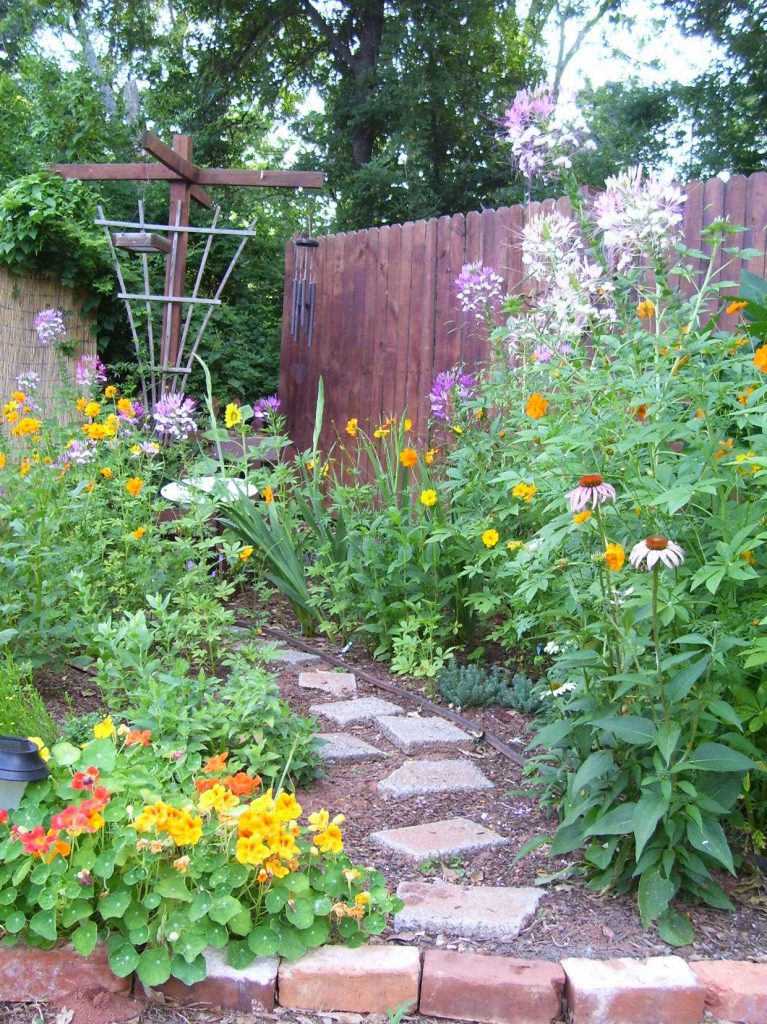
A cottage garden is a charming and informal type of garden design that emphasizes a mix of flowers, herbs, and vegetables, all arranged in a seemingly haphazard yet harmonious way. This style embraces a rustic aesthetic, often featuring a variety of plants that bloom at different times to ensure color and life throughout the seasons. The essence of a cottage garden is its welcoming and cozy feel, often combined with climbing plants and cozy paths that invite exploration. If you’re seeking a way to create a vibrant and inviting outdoor space that feels both relaxed and abundant, a cottage garden might be the perfect solution for you. Let’s dive into the enchanting world of cottage gardens and discover how to bring this lovely style into your own backyard!

What Is A Cottage Garden
Cottage gardens are a charming style of garden design that emphasizes a relaxed, informal aesthetic. They often feature a mix of flowers, herbs, and vegetables, creating a vibrant and inviting atmosphere. This style of gardening reflects a love for the natural world and showcases the beauty of diverse plant life.
Cottage gardens are characterized by their abundance and variety. Unlike formal gardens with strict symmetry, a cottage garden encourages a more casual arrangement of plants. This creates a lush and thriving ecosystem. The goal is to make the garden feel welcoming and organic, as if it has grown naturally over time.
One of the core principles of a cottage garden is diversity. This means incorporating a wide variety of plants. Each plant brings its own unique color, texture, and scent to the space. The results are visually stunning and can attract local wildlife, such as bees and butterflies, making the garden even more lively.
History of Cottage Gardens
The concept of cottage gardens dates back to the early 19th century in England. These gardens were often found surrounding humble cottages in rural areas. They served practical purposes, as families grew their own food and herbs for cooking and healing.
Over time, cottage gardens evolved into a beloved style of gardening. They became symbols of a simpler, more peaceful way of life. The charm of these gardens draws people in, and they remain popular for homeowners looking to create a cozy outdoor space.
Many famous writers and artists were inspired by cottage gardens. Their whimsical designs and colorful blooms often found their way into literature and art, further cementing their place in cultural history.
Key Elements of a Cottage Garden
When creating a cottage garden, there are several essential elements to keep in mind. These elements combine to produce the enchanting atmosphere that makes cottage gardens so special. Here are some key features:
- Flowers: Bright, colorful flowers are a staple. Plant a mix of perennials and annuals to ensure blooms throughout the season.
- Herbs: Incorporating herbs adds both beauty and functionality. Plants like rosemary, basil, and lavender are popular choices.
- Vegetables: Include a few vegetable plants for practicality. Tomatoes, beans, and radishes are great options that maximize space.
- Paths: Create winding paths using gravel, stepping stones, or even grass. This invites exploration and adds a layer of charm.
- Structures: Archways, trellises, and fences can offer support for climbing plants and create vertical interest.
Each of these elements works together to create a cohesive and inviting environment. The result is a garden that feels full of life and character.
Flower Selection for a Cottage Garden
Choosing the right flowers is crucial to achieving the cottage garden look. Gardeners often prefer a mix of annuals, perennials, and self-seeding plants to ensure ongoing blooms. Here are some popular flower choices:
- Roses: Classic and fragrant, they add elegance and depth.
- Peonies: Their lush blooms offer stunning visual appeal.
- Lavender: Known for its calming scent, it attracts pollinators.
- Daisies: Simple yet beautiful, these flowers add a cheerful touch.
- Foxgloves: Their tall spikes bring height and drama to the garden.
Selecting a diverse range of flowers ensures the garden remains vibrant throughout the growing season. Pay attention to the bloom times of each plant to create continuity.
Herbs and Vegetables in Cottage Gardens
Herbs and vegetables not only provide beauty but also functionality. A cottage garden allows for the integration of these plants seamlessly.
Common herbs include:
- Basil: Ideal for culinary uses, it thrives in sunny spots.
- Thyme: This hardy herb requires little maintenance, making it easy to grow.
- Mint: Its delightful fragrance fills the air and can be used in various dishes.
When it comes to vegetables, consider growing:
- Tomatoes: A garden favorite, they can cascade over trellises or fences.
- Peas: Their climbing growth habit allows for vertical gardening.
- Radishes: Quick to harvest, they offer a burst of color and flavor.
Integrating these plants into your cottage garden can create a more dynamic space. They also provide fresh ingredients for cooking.
Garden Layout and Design
A well-thought-out layout is essential for a successful cottage garden. Unlike formal gardens, the design should feel organic and free-spirited. Here are some tips for creating a beautiful layout:
Create Focal Points
Focal points draw the eye and add interest to the garden. Consider installing a decorative birdbath, a unique sculpture, or a quaint garden bench. These elements will serve as inviting spots that enhance the garden’s charm.
Use Layers and Textures
Incorporate varying heights and textures in your plant selection. Taller plants should be placed towards the back or center, with shorter plants framing them. This layering creates depth and visual appeal.
Incorporate Natural Materials
Using natural materials in paths and structures can elevate the cottage garden’s aesthetic. Stones, wood, and reclaimed materials blend seamlessly with the garden’s relaxed vibe.
Seasonal Changes in a Cottage Garden
A cottage garden is alive all year round. Each season brings new beauty and character. Here’s how to enjoy seasonal changes:
Spring
In spring, the garden wakes up with vibrant colors. Tulips, daffodils, and early roses begin to bloom, creating a joyful scene. The fresh green leaves of herbs and vegetables also start to emerge.
Summer
Summer is the peak growing season. Flowers are in full bloom, and the garden is lush and vibrant. This is a great time to enjoy the fruits of your labor with herbs and vegetables ready for harvesting.
Autumn
As the temperatures cool, the garden transitions. Late bloomers like asters and chrysanthemums add color, while foliage changes bring a warm palette. Harvesting vegetables continues, making it a productive time.
Winter
Although many plants die back in winter, the structure of the garden remains. Fences, trellises, and seed heads create interest in the frosty landscape. This is also a time for planning next year’s garden!
Wildlife and Biodiversity
Cottage gardens play a significant role in fostering biodiversity. By incorporating various plants, they create habitats for local wildlife.
Here are some ways to enhance biodiversity:
- Include native plants: Native species tend to be more resilient and can attract local pollinators.
- Provide shelter: Adding birdhouses, insect hotels, and brush piles can help wildlife thrive.
- Avoid pesticides: Chemical sprays can harm beneficial insects. Instead, opt for natural solutions to pest control.
Encouraging local wildlife can promote natural gardening practices and create a balanced ecosystem.
Benefits of a Cottage Garden
Creating a cottage garden offers numerous benefits beyond its beauty. Here are some key advantages:
- Accessibility: Cottage gardens are often easier to maintain than formal gardens, making them accessible to all gardeners.
- Food production: Growing your own herbs and vegetables can provide fresh ingredients and promote healthy eating.
- Mental health: Gardening can reduce stress and promote relaxation, making it a wonderful hobby for emotional well-being.
- Community: Cottage gardens can foster a sense of community by sharing plants, flowers, and produce with neighbors.
Embracing the cottage garden lifestyle can enrich daily life with beauty and connection to nature.
The charm of a cottage garden lies in its ability to blend beauty with functionality, providing a warm and inviting space for everyone. From the diversity of plants to the wildlife it attracts, creating a cottage garden is both rewarding and enriching.
What Is A Cottage Garden? – Garden Quickie Episode 68
Frequently Asked Questions
What are the key characteristics of a cottage garden?
A cottage garden typically features a mix of vegetables, herbs, flowers, and fruits, creating a lush and vibrant space. It often emphasizes informal design, with plants growing closely together. You’ll find a variety of colors, shapes, and textures, promoting a natural, sometimes wild appearance. Paths made of stone or gravel meander through the garden, inviting exploration and adding to its charm.
Which plants are commonly found in a cottage garden?
Cottage gardens usually include a diverse selection of plants, such as roses, daisies, lavender, and hollyhocks. You may also find herbs like thyme and rosemary, along with vegetables like tomatoes and peas. This variety not only enhances visual appeal but also supports biodiversity and attracts pollinators, ensuring a thriving ecosystem.
How can I create a cottage garden in a small space?
To establish a cottage garden in a limited area, consider using vertical gardening techniques, such as climbing plants or wall planters. Opt for container gardening, allowing you to mix flowers and vegetables. Embrace layering by planting taller plants at the back and shorter ones at the front. This approach maximizes space while maintaining the informal aesthetic characteristic of cottage gardens.
What maintenance is required for a cottage garden?
Maintaining a cottage garden involves regular watering, weeding, and mulching to keep plants healthy. Pruning flowers will encourage new growth and prolong blooming. Regularly harvesting vegetables and herbs promotes ongoing production. While cottage gardens embrace a natural look, a little tidying up helps maintain overall health and beauty.
Can a cottage garden be sustainable?
Absolutely! A cottage garden can prioritize sustainability by incorporating native plants, which require less water and provide habitats for local wildlife. Practicing organic gardening methods, such as composting and using natural pest control, further enhances sustainability. By collecting rainwater and using it for irrigation, you can promote eco-friendly gardening practices while maintaining the garden’s charm.
Final Thoughts
A cottage garden blends beauty and functionality, characterized by its informal layout and diverse plant species. It typically features a mix of flowers, herbs, and vegetables, creating a vibrant and inviting atmosphere.
Embracing a relaxed aesthetic, a cottage garden thrives on abundance rather than perfection. Its charm lies in the harmonious coexistence of different plants, attracting wildlife and enhancing the garden’s appeal.
In essence, ‘What Is A Cottage Garden’ encapsulates a style that celebrates nature’s beauty while providing fresh produce and a peaceful retreat.