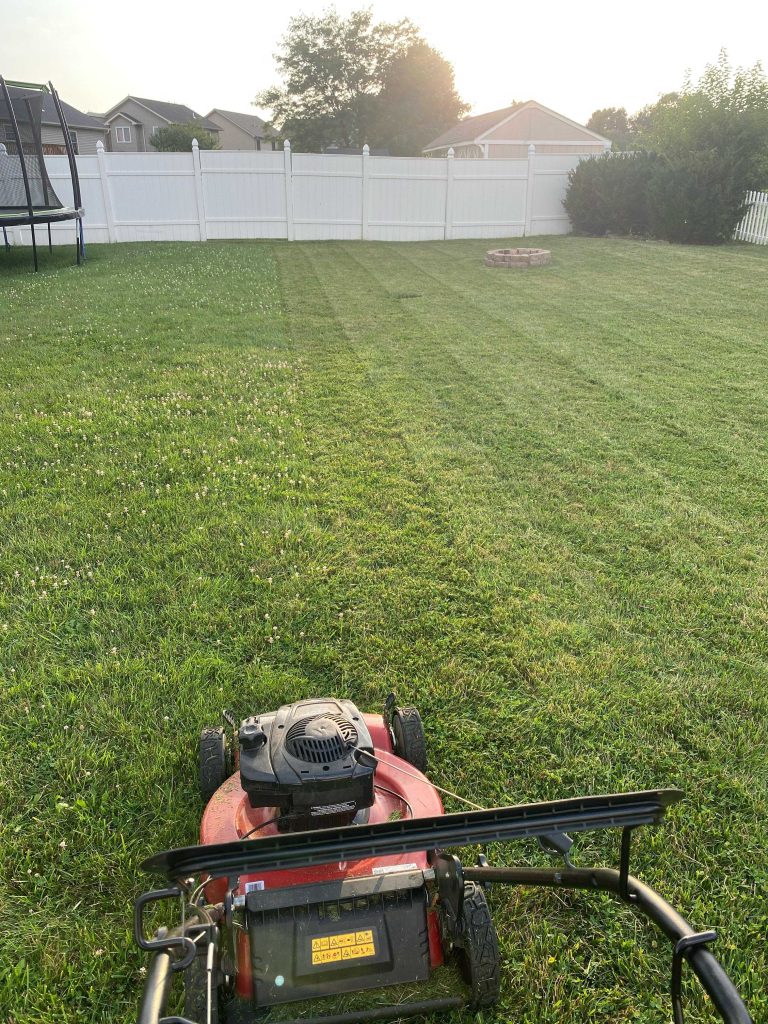
You should cut Kentucky Bluegrass to about 2.5 to 3.5 inches for optimal health. Keeping it at this height encourages a dense, attractive lawn that resists weeds and drought. Regular mowing at the right height is key to maintaining a lush, vibrant yard that thrives through the seasons.
In short, the ideal height for cutting Kentucky Bluegrass is between 2.5 and 3.5 inches. Mowing too short can stress the grass and weaken its roots, while cutting too tall can promote disease. Finding the right balance ensures a healthy, green lawn that stays resilient and beautiful year-round.
When it comes to caring for Kentucky Bluegrass, mowing height plays a crucial role in its overall health and appearance. This versatile grass type is popular for its fine texture and rich color, but it requires the right mowing practices to reach its full potential. Cutting it too low can lead to scalping and stress, making it more vulnerable to pests and diseases. Conversely, leaving it too tall can hinder airflow and promote thatch buildup. Typically, maintaining a mowing height of about 2.5 to 3.5 inches strikes the perfect balance—allowing the grass to develop a strong root system, resist weeds, and stay lush throughout the year. Proper mowing not only enhances the lawn’s appearance but also boosts its resilience and longevity.

What Height Should You Cut Kentucky Bluegrass? A Complete Guide
Understanding Kentucky Bluegrass and Its Growth Habits
Kentucky bluegrass is a popular choice for lawns because of its lush green appearance and durability. It thrives in cooler climates and has a fine texture that makes it appealing. Knowing how tall it grows naturally helps us decide the best cutting height to keep it healthy.
Kentucky bluegrass typically reaches a height of around 8 to 12 inches when left uncut. It spreads through rhizomes, which are underground stems that help it fill in bare spots. This growth pattern influences how short or tall the grass can be cut without causing damage.
Why Proper Mowing Heights Matter
Mowing at the right height is essential for maintaining a healthy Kentucky bluegrass lawn. Cutting too short can weaken the grass and make it more vulnerable to weeds and drought.
Conversely, cutting too high may encourage thatch buildup and reduce the lawn’s overall appearance. The goal is to find a balance that promotes strong, dense growth while keeping the grass attractive.
Recommended Mowing Height for Kentucky Bluegrass
The general rule is to mow Kentucky bluegrass to a height of about 2.0 to 3.0 inches. This range supports healthy root systems and enhances drought resistance.
Maintaining this height also helps shade out weed seeds, preventing unwanted plants from taking hold.
Adjusting Based on Seasonal Changes
During active growing seasons, such as spring and fall, keep the grass at the lower end of the recommended height—around 2.0 inches.
In the hotter summer months, raise the mowing height to closer to 3.0 inches to help the grass conserve moisture and withstand heat stress.
Factors That Influence Mowing Height
Several variables should be considered when deciding how short to cut Kentucky bluegrass:
- Climate: Cooler regions support shorter mowing heights, while warmer areas benefit from taller cuts.
- Soil Quality: Nutrient-rich soil promotes vigorous growth, allowing for a slightly lower cut.
- Lawn Usage: High-traffic lawns may require slightly taller grass for durability.
- Grass Age: Young grass may need higher cuts, while established lawns can be maintained shorter.
These factors help tailor mowing practices to specific lawns, ensuring optimal health and appearance.
How to Mow Kentucky Bluegrass for Best Results
Proper mowing techniques include several key steps:
- Use Sharp Blades: Sharp mower blades provide clean cuts, reducing stress on the grass.
- Follow the 1/3 Rule: Never remove more than one-third of the grass height at any one mowing.
- Adjust Mower Height: Set your mower to the appropriate height for the season and lawn conditions.
- Change Mowing Patterns: Vary your mowing directions each time to avoid compacting soil and encourage even growth.
Maintaining consistent mowing practices enhances the lawn’s vigor and look.
Dealing with Overgrown or Under-mowed Lawns
If your Kentucky bluegrass is significantly overgrown, it’s best to gradually reduce the height over several mowings rather than cutting it all at once.
On the other hand, if the grass is too short, it may weaken the lawn and make it more prone to weeds. Adjust your mowing height accordingly and allow the lawn to recover before making further changes.
Special Considerations for Different Grass Types and Mixtures
Sometimes, Kentucky bluegrass is mixed with other cool-season grasses like ryegrass or fescues.
In such cases, aim for a mowing height that benefits all grass types, usually around 2.5 inches. This ensures compatibility and promotes a uniform, healthy lawn.
Benefits of Correct Mowing Height
Choosing the right height leads to several advantages:
- Stronger Root Systems: Taller grass encourages deeper roots, improving drought tolerance and nutrient uptake.
- Reduced Weed Growth: Proper mowing shades out weed seeds, making it harder for them to grow.
- Enhanced Lawn Appearance: A neatly mowed, uniform height presents a beautiful and inviting landscape.
- Less Stress on the Grass: Avoiding excessive cutting minimizes stress and prevents disease.
These benefits collectively help maintain a vibrant, healthy Kentucky bluegrass lawn year-round.
Additional Tips for Healthy Kentucky Bluegrass Lawns
Besides mowing, other practices support optimal growth:
- Regular Watering: Deep watering encourages strong roots. Aim for about 1 to 1.5 inches of water weekly.
- Fertilizing: Use a balanced fertilizer suited for cool-season grasses in early spring and fall.
- Aeration: Loosening compacted soil improves water and nutrient absorption.
- Overseeding: Filling in bare spots keeps your lawn dense and resistant to weeds.
Adopting a comprehensive lawn care routine helps Kentucky bluegrass thrive.
Common Mistakes to Avoid in Mowing Kentucky Bluegrass
Avoid these typical errors:
- Cutting Too Short: Removing more than one-third of the height weakens the grass and promotes weeds.
- Never Adjusting Mower Height: Fixed settings may not suit seasonal needs; adjust accordingly.
- Ignoring Sharp Blades: Dull blades tear grass instead of cutting cleanly, stressing the lawn.
- Over-Mowing: Cutting too often or removing too much can prevent healthy growth.
Steering clear of these mistakes ensures a healthier, more attractive lawn.
Maintaining Kentucky bluegrass at the right height is key to keeping your lawn lush and healthy. Mowing it around 2.0 to 3.0 inches balances growth, appearance, and resilience. Regularly adjust your mowing practices for seasonal changes and lawn conditions. Combining proper mowing with other care routines results in a vibrant, durable lawn that enhances your outdoor space.
Remember, the right mowing height supports strong roots, prevents weeds, and keeps your Kentucky bluegrass looking its best all year long.
Kentucky Bluegrass Pros and Cons
Frequently Asked Questions
What is the ideal mowing height for Kentucky bluegrass during the growing season?
For Kentucky bluegrass, keep the mowing height between 2.0 to 2.5 inches in the growing season. This height promotes healthy root development and helps the grass withstand drought and disease. Regular mowing within this range encourages dense turf and prevents weeds from taking hold.
How does the height at which I cut affect the health of Kentucky bluegrass?
Cutting Kentucky bluegrass too short can weaken the plant, making it more vulnerable to pests and diseases. Conversely, mowing too high can lead to thatch buildup and reduce turf quality. Maintaining an appropriate height ensures the grass’s ability to photosynthesize effectively while developing strong roots.
When should I adjust my mowing height for Kentucky bluegrass in different seasons?
In spring and fall, keep the grass at about 2.0 to 2.5 inches to promote healthy growth and root development. During hot summer months, raising the height slightly to around 2.5 inches helps protect the turf from heat stress. Adjust your mower height accordingly to provide optimal conditions throughout the year.
Should I change the mowing height based on foot traffic or usage of the lawn?
If your lawn experiences high foot traffic, slightly increase the mowing height to provide more leaf surface, which offers better resilience and recovery. Keeping it around 2.5 inches can help the turf handle wear and tear while maintaining a healthy appearance.
How can I prevent thatch buildup while mowing Kentucky bluegrass?
To prevent thatch buildup, avoid cutting the grass too short and maintain the recommended height of 2.0 to 2.5 inches. Regular mowing and occasional dethatching can improve airflow and water penetration, promoting healthier turf growth.
Final Thoughts
what height should you cut kentucky bluegrass? It is best to keep Kentucky bluegrass at a height of about 2.5 to 3.5 inches for optimal health. Cutting too short can weaken the grass, while leaving it too tall can lead to disease. Regular mowing at the right height promotes dense growth and a lush appearance. Overall, maintaining the correct height ensures a healthy, attractive lawn and prevents common problems.