Transforming shady areas into vibrant green spaces is achievable with the right grass and care. This guide explores the top grass types for shade and provides actionable tips on how to successfully grow and maintain them, ensuring a beautiful lawn no matter the sunlight.
Having a beautiful lawn is the dream of many homeowners. But what happens when your yard is blessed with more shade than sun? Many people believe that a lush, green lawn is impossible in shady spots, leading to bare patches or struggling, sparse grass. This couldn’t be further from the truth! With the right knowledge and a little effort, you can absolutely have a thriving lawn, even in the shadiest corners of your yard.
The key lies in understanding that not all grasses are created equal. Just like some plants prefer full sun and others thrive in dappled light, grasses have different needs. For shaded areas, you need to select specific grass types that are naturally adapted to lower light conditions. These varieties have evolved to make the most of the available sunlight, often having finer blades or a different growth habit than their sun-loving cousins.
Beyond choosing the right grass, successful shade lawn care involves adjusting your practices. This means understanding how light, water, and nutrients behave differently in shaded environments and adapting your approach accordingly. It’s about working with nature, not against it, to create a beautiful and resilient lawn. Let’s dive into what grass grows in shade and how you can grow it successfully.
- Shade-tolerant grass varieties are crucial for success in low-light areas.
- Proper soil preparation, including good drainage, is key to healthy shade grass.
- Mowing at a higher setting helps shade grass capture more sunlight.
- Reduced fertilization and careful watering are necessary for shade-tolerant grasses.
- Consider alternative groundcovers if grass struggles significantly in deep shade.
Quick Answers to Common Questions
What is the easiest grass to grow in shade?
Fine fescues, such as Creeping Red Fescue and Chewings Fescue, are generally considered the easiest and most shade-tolerant grasses to grow.
Can I mix shade-tolerant grass seed with regular grass seed?
It’s best to use a seed mix specifically designed for shade. Mixing shade-tolerant seeds with sun-loving varieties can result in the sun-loving grass outcompeting the shade grass in brighter areas, and the shade grass failing in the shadiest spots.
How often should I water grass that grows in shade?
Water deeply and infrequently. Allow the soil surface to dry slightly between waterings, and always water in the morning to allow grass to dry before nightfall.
How tall should I cut grass that grows in shade?
You should cut shade grass taller than you would sun-loving grass. Aim for 3 inches or even higher to allow the blades more surface area to capture sunlight.
Will my shade lawn need less fertilizer?
Yes, grass in shady areas generally requires less fertilizer because it grows slower and needs less energy. Over-fertilizing can actually harm shade grass.
📑 Table of Contents
Understanding Shade and Grass Growth
Before we get to the best grass types, it’s important to understand what “shade” means for your lawn. Shade isn’t just one thing; it exists on a spectrum. This spectrum significantly impacts which grass types will perform best.
Defining Different Types of Shade
Dappled Shade: This is the lightest form of shade, often found under the canopy of deciduous trees. Sunlight filters through the leaves, creating a constantly shifting pattern of light and shadow. Many grasses that prefer full sun can tolerate dappled shade, but they will still perform better if they get some direct sunlight throughout the day.
Partial Shade: This occurs when an area receives about 3-6 hours of direct sunlight per day, usually in the morning or late afternoon. This is the sweet spot for many shade-tolerant grasses. They can utilize the available light without being scorched by intense midday sun.
Full Shade: This is the most challenging type of shade, where an area receives less than 3 hours of direct sunlight per day, or only indirect, filtered light. In these extreme conditions, even the most shade-tolerant grasses will struggle, and you might need to consider alternatives.
The amount of shade in your yard can change throughout the year, especially if you have deciduous trees. In the summer, leaves can create deep shade, while in winter, the bare branches let in more light. It’s also crucial to consider the direction the shade comes from. Morning sun is gentler than harsh afternoon sun.
Why Shade is Tough on Grass
Grass needs sunlight for photosynthesis, the process by which it converts light energy into food. Less sunlight means less food production. This can lead to several problems:
- Weak Growth: Grass blades may become thinner, paler, and grow more slowly.
- Increased Disease Susceptibility: Shaded areas often stay damp for longer, creating an ideal environment for fungal diseases. Weakened grass is less able to fight off infections.
- Weed Invasion: Bare or thin patches in the lawn are prime real estate for weeds. Many common weeds are more tolerant of shade than desirable grass types.
- Pest Problems: Some pests are attracted to the cooler, damper conditions found in shade.
Understanding these challenges helps us choose the right grass and implement the correct care strategies to overcome them.
The Best Grass Varieties for Shade
When looking for grass that grows in shade, you want species known for their adaptability and resilience in low-light conditions. These grasses often have adaptations like finer textures or broader leaves to capture more of the limited sunlight.
Fescue Grasses (Fine Fescues)
Fine fescues are the undisputed champions of shade-tolerant grasses. They are cool-season grasses, meaning they thrive in cooler climates. They have fine, needle-like leaves and a dense growth habit that helps them spread and fill in thin areas.
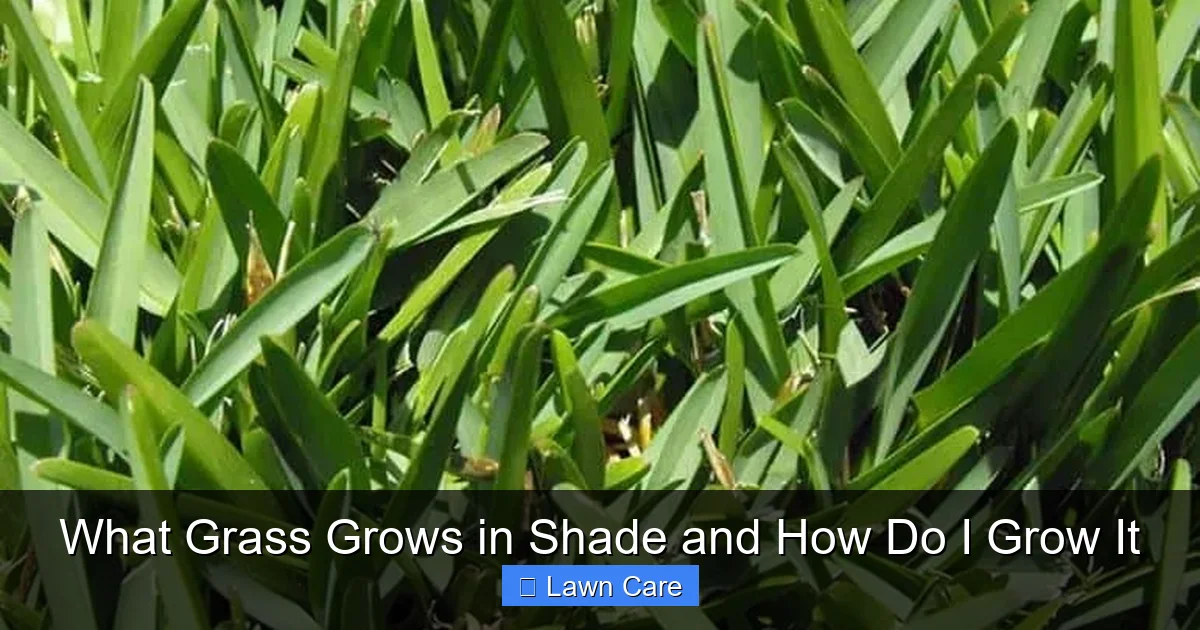
Visual guide about What Grass Grows in Shade and How Do I Grow It
Image source: crabgrasslawn.com
- Creeping Red Fescue: Excellent shade tolerance, spreads via rhizomes for good ground cover.
- Chewings Fescue: Good shade tolerance, forms a dense, upright turf.
- Hard Fescue: Very tough and drought-tolerant, also performs well in shade.
- Sheep Fescue: Similar to Hard Fescue, very resilient.
Fine fescues are often blended together in shade-specific grass seed mixes to provide a well-rounded, resilient turf. They require less nitrogen than many other grasses and are relatively low-maintenance once established.
Rough bluegrass (Poa trivialis)
Rough bluegrass is another cool-season grass that excels in shady, moist conditions. It has a bright green color and a soft texture. It’s particularly good for areas that might also get waterlogged. However, it can struggle in extreme heat and drought. It’s often found in premium shade-mixes.
Tall Fescue (With a caveat)
While fine fescues are the go-to, some newer varieties of Tall Fescue have also been bred for improved shade tolerance. These newer cultivars are more endophytic, meaning they contain beneficial fungi that help them resist pests and diseases. If you’re in a region that can support tall fescue and have areas of partial shade, looking for these improved varieties could be an option. However, they are generally not as shade-tolerant as fine fescues.
Can Bermuda Grass Grow in Shade?
This is a common question, especially for those in warmer climates. Bermuda grass is a warm-season grass that absolutely loves sun. While it can *survive* in partial shade (around 4-6 hours of direct sun), its growth will be significantly reduced, and it will likely become thinner and more prone to disease. If you have significant shade, Bermuda grass is generally not your best bet. For those in warmer climates with heavy shade, exploring alternatives like St. Augustine grass (which has some shade tolerance) or groundcovers might be more successful. You can learn more about how to grow Bermuda grass in shade, but manage expectations.
Other Considerations: Bahia Grass
Bahia grass is a warm-season grass known for its drought and pest resistance. It is moderately shade-tolerant, meaning it can handle some shade but performs best with at least 4-6 hours of sun. If you are in a warmer climate and have areas with partial shade, Bahia grass might be a consideration, but it won’t fare well in deep shade. You can explore articles on whether Bahia grass will grow in shade to get a better understanding.
Preparing Your Shaded Soil for Grass
Success in growing grass in shade starts long before you even pick up a bag of seed. Proper soil preparation is absolutely critical, especially in areas where grass naturally struggles.
Improve Drainage
Shaded areas tend to stay wet longer because the soil doesn’t dry out as quickly due to less direct sunlight and airflow. Poor drainage is a death sentence for most grasses, making them susceptible to root rot and fungal diseases. If your shaded area has poor drainage, consider installing a lawn drain or amending the soil heavily.
How to Improve Drainage:
- Incorporate Organic Matter: Mix in compost, peat moss, or other organic materials. This improves soil structure, allowing water to penetrate better.
- Consider Raised Beds: For extremely problematic areas, creating slightly raised beds can help with water runoff.
- Aeration: Regularly aerating compacted soil, especially in shady areas, can significantly improve water infiltration and air circulation. Understanding the importance of lawn aeration is key.
Amend the Soil
Most soils in shaded areas under trees tend to be acidic and may lack essential nutrients because leaf litter can decompose and alter the soil pH. Test your soil to understand its pH and nutrient levels. You can usually find affordable soil testing kits at garden centers or through your local extension office. Based on the results, you can amend the soil:
- Adjust pH: If the soil is too acidic, add lime. If it’s too alkaline, add sulfur.
- Add Nutrients: Incorporate a balanced, slow-release fertilizer or plenty of compost. Compost is excellent for improving both soil structure and fertility.
Level the Ground
Ensure the ground is relatively level to prevent water from pooling in low spots. Fill in any noticeable depressions with a good quality topsoil mixed with compost. For very uneven areas, consider topdressing with a soil and compost mixture over time.
Planting and Seeding in Shade
Once your soil is prepared, it’s time to get that shade-loving grass in the ground. The timing and method of planting are crucial for establishment.
Best Time to Seed Shade Grass
For cool-season grasses like fescues, the best times to seed are:
- Early Fall: This is often the ideal time. The soil is still warm enough for germination, but the air temperatures are cooling, which is perfect for fescue growth. Weed competition is also lower in the fall.
- Early Spring: Spring is the second-best option. However, be prepared for potential weed competition and ensure the young grass can establish before the summer heat arrives.
For warm-season grasses that have some shade tolerance, like certain varieties of St. Augustine or even less sun-dependent Bermuda, late spring to early summer is usually the best time to plant or overseed.
Seeding Methods
Broadcast Seeding: This is the most common method. Spread the seed evenly over the prepared soil. You can use a handheld spreader for small areas or a broadcast spreader for larger lawns. Make sure to rake the seed lightly into the soil (about 1/8 to 1/4 inch deep) to ensure good seed-to-soil contact. This helps protect the seeds from drying out and birds.
Overseeding: If you already have grass but it’s thin in shady areas, overseeding is a great option. Simply spread the shade-tolerant seed mix over the existing lawn. The light raking mentioned above is still beneficial.
Ensure Good Seed-to-Soil Contact
This cannot be stressed enough. Seeds need to be in direct contact with moist soil to germinate and establish roots. Raking them into the soil surface helps with this. You can also lightly walk over the seeded area or use a lawn roller to press the seeds into the soil.
Caring for Your Shade Lawn
Once your grass is planted and starting to grow, the ongoing care needs to be tailored to the unique environment of a shady lawn. This often means doing less of certain things.
Mowing Practices
This is where many people go wrong with shade lawns. Because grass in the shade grows slower and needs to maximize its limited sunlight, you should:
- Mow Higher: Set your mower to a higher blade setting than you would for a sunny lawn. For fescues, this often means mowing at 3 inches or even higher. Longer grass blades have more surface area to capture sunlight.
- Mow Less Frequently: Due to slower growth, you won’t need to mow as often. Let the grass grow a bit between cuts.
- Use a Mulching Mower: If possible, use a mulching mower (what is a mulching mower and how does it work) to return grass clippings to the lawn. These clippings decompose and add nutrients back to the soil.
- Keep Blades Sharp: Dull mower blades tear grass, making it more susceptible to disease, which is already a higher risk in shade.
Watering
Watering shaded lawns requires a delicate balance. While shade grass needs moisture, it also dries out slower.
- Water Deeply and Infrequently: Encourage deep root growth by watering thoroughly but less often. Allow the soil surface to dry slightly between waterings.
- Water in the Morning: This is crucial. Watering in the morning allows the grass blades to dry off during the day, reducing the risk of fungal diseases. Avoid watering in the evening.
- Monitor Moisture Levels: Don’t just water on a schedule. Check the soil moisture by sticking your finger into the ground. If it feels dry a couple of inches down, it’s time to water.
Fertilizing
Shade-tolerant grasses require less fertilizer than sun-loving grasses. Over-fertilizing can lead to weak, leggy growth that is more prone to disease and can actually inhibit root development.
- Fertilize Lightly: Use a slow-release fertilizer specifically formulated for cool-season grasses (if applicable) in the fall and possibly a very light feeding in the spring.
- Follow Recommendations: Always follow the dosage instructions on the fertilizer packaging. It’s better to under-fertilize than over-fertilize in shady conditions.
- Consider Organic Options: Compost tea or other organic fertilizers can provide nutrients slowly and improve soil health without the risk of burning the grass.
Dealing with Weeds and Pests
Weeds will try to take advantage of any thin spots in your shade lawn. The best defense is a thick, healthy stand of grass.
- Manual Removal: For small infestations, pulling weeds by hand is effective.
- Pre-Emergent Herbicides: Used carefully in the spring and fall, these can help prevent weeds like crabgrass from germinating. Know your grass type before applying any herbicides to avoid damaging it. It’s important to understand what crabgrass is and why it’s a problem.
- Monitor for Pests: While less common than in sunnier areas, pests can still appear. Regularly inspect your lawn for signs of damage and address issues promptly.
When Grass Isn’t the Best Option
Sometimes, even with the best efforts and the right grass varieties, areas of deep shade may simply not support a healthy lawn. In these situations, it’s best to consider alternatives that are better suited to low-light conditions.
Groundcover Plants
There are many beautiful groundcover plants that thrive in shade and can create a lush, green carpet. Options include:
- Hostas
- Ferns
- Ajuga (Bugleweed)
- Pachysandra
- Vinca (Periwinkle)
These plants offer variety in texture and color and can be much more resilient in deep shade than grass.
Mulch or Gravel Areas
For very challenging spots, particularly under dense evergreen trees or in very dark corners, a layer of decorative mulch or gravel can be a practical and attractive solution. This eliminates the struggle of trying to grow grass and can be quite low-maintenance.
Shade Gardens
Embrace the shade! Create a beautiful garden space with plants specifically chosen for shade tolerance. This could include flowering perennials, shrubs, or ornamental grasses that add visual interest and color without the need for constant mowing and care.
Don’t be discouraged if you can’t achieve a perfectly manicured lawn in every corner of your yard. By understanding the needs of shade-loving grasses and embracing alternative solutions when necessary, you can create a beautiful and functional outdoor space that you can enjoy year-round. Remember, it’s about making the most of what you have, and a shade garden can be just as stunning as a sunny expanse.
Frequently Asked Questions
What are the best grass types for shady lawns?
The best grass types for shady lawns are primarily cool-season grasses like the fine fescues (Creeping Red, Chewings, Hard, and Sheep Fescue) and Rough Bluegrass (Poa trivialis). These varieties are specifically adapted to low-light conditions.
How can I tell if my lawn is too shady for grass?
If grass struggles to grow, is consistently thin, pale, or prone to moss and weeds even with proper care, the area may be too shady for grass. Deep shade areas receiving less than 3 hours of direct sunlight daily are particularly challenging.
Is it okay to use a regular lawn mower on shade grass?
Yes, you can use a regular lawn mower, but it’s essential to adjust the mowing height to a higher setting. Using a mulching mower is also beneficial for returning nutrients to the soil.
Do shade-tolerant grasses require more or less water?
Shade-tolerant grasses generally require less water than sun-loving grasses because they dry out more slowly. However, it’s important to water deeply and infrequently to encourage strong root development and avoid fungal diseases.
What is the main problem with growing grass in shade?
The main problem is insufficient sunlight for photosynthesis, which leads to weaker growth. Additionally, shady areas tend to stay damp longer, increasing the risk of fungal diseases and making the grass more susceptible to weeds.
Should I aerate a shady lawn?
Yes, aerating a shady lawn is highly recommended. It helps improve air circulation and water drainage, which are crucial for preventing fungal diseases and promoting healthier root growth in areas that naturally stay moist.