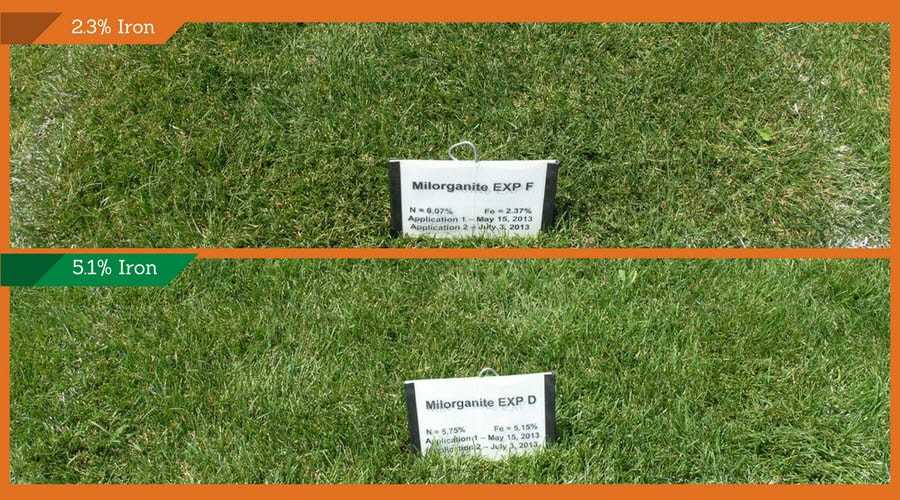
Iron is essential for grass health, playing a crucial role in promoting lush, vibrant growth. It aids in chlorophyll production, which is vital for photosynthesis, allowing grass to absorb sunlight and thrive. If your lawn is looking yellow or weak, adding iron can rejuvenate it, giving it that rich green color we all desire. Not only does iron support overall growth, but it also enhances the plant’s resistance to disease and environmental stress. In this article, we’ll explore the specific benefits of iron for grass, how to properly apply it, and signs to look for that indicate your lawn might need a boost of this essential nutrient. Let’s dive into why iron is a game-changer for your lawn’s health!

What Does Iron Do for Grass?
Iron is an essential nutrient that plays a vital role in the health and appearance of grass. Understanding how iron impacts grass can lead to a lush and green lawn. In this article, we will delve into the importance of iron for grass, its benefits, how to apply it, and more.
The Role of Iron in Grass Health
Iron is a micronutrient that is crucial for several physiological processes in grass. It helps in the creation of chlorophyll, which gives grass its beautiful green color. Without adequate iron, grass can develop a condition known as chlorosis.
- Chlorophyll Production: Iron is necessary for the formation of chlorophyll.
- Photosynthesis: It facilitates the process of photosynthesis, allowing grass to convert sunlight into energy.
- Overall Growth: Iron supports healthy growth and enhances the grass’s resilience to diseases.
Signs of Iron Deficiency
Identifying iron deficiency in grass is essential for timely treatment. Some common signs include:
- Yellowing Leaves: The leaves turn yellow, particularly in older grass blades.
- Dark Green Veins: The veins of the grass blades remain dark green while the spaces between them yellow.
- Poor Growth: Grass growth may appear stunted or weak.
Recognizing these signs early can help in taking corrective measures to restore the grass’s health.
Benefits of Iron for Grass
Iron offers various benefits that can significantly enhance lawn quality. Here are some of the key advantages of using iron for grass:
Enhanced Color
Iron contributes to a vibrant green color in grass. When grass has sufficient iron, it not only looks healthier but also feels lush and consistent.
Boosted Growth
With iron, grass can grow more robustly. It enhances the overall vitality and strength of the turf, leading to better performance during stressful conditions.
Improved Disease Resistance
Healthy grass with sufficient iron levels is more resistant to diseases. This resistance helps maintain a beautiful lawn all year round.
Better Nutrient Uptake
Iron can improve the grass’s ability to absorb other essential nutrients from the soil. This symbiotic relationship ensures a healthier ecosystem for the grass.
How to Apply Iron to Grass
Applying iron to grass can be done in several ways. Understanding the methods can help you choose the best one for your lawn.
Soil Testing
Before applying iron, it’s crucial to test the soil’s nutrient levels. Soil tests can determine the existing iron levels and help in making informed decisions.
Types of Iron Supplements
There are various forms of iron supplements available, including:
- Iron Sulfate
- Iron Chelate
- Liquid Iron Fertilizers
Choosing the right type can depend on your specific lawn needs.
Application Methods
You can apply iron to grass using different methods:
- Granular Application: Spread granules evenly across the lawn.
- Liquid Application: Use a sprayer for even distribution.
- Foliar Feeding: Spray iron directly onto the leaves for quick absorption.
Proper application ensures the grass receives the right amount of iron.
Seasonal Considerations for Iron Application
Timing is critical when applying iron to grass. Knowing the seasons can aid in achieving the best results.
Spring Application
Applying iron in the spring supports new growth. This timing provides grass with the nutrients it needs as it wakes up from winter dormancy.
Summer Application
Iron can be applied in the summer, especially in areas experiencing stress. It helps maintain color and resilience during hot weather.
Fall Application
Applying iron in the fall prepares grass for winter. It boosts health before the colder months, ensuring a stronger lawn come springtime.
Safety Precautions for Iron Use
While iron is beneficial, safety precautions are essential during its application. Here are some important points to consider:
- Follow Recommended Dosages: Always adhere to the manufacturer’s instructions for application rates.
- Avoid Over-Application: Excess iron can harm the grass and the surrounding environment.
- Wear Protective Gear: Use gloves and masks to avoid direct contact with iron products.
These precautions ensure a safe and effective application process.
Environmental Impact of Iron Use
Using iron responsibly can positively impact the environment. Here are some considerations:
Soil Health
Maintaining proper iron levels supports soil health. Healthy soil contributes to biodiversity and overall ecosystem balance.
Water Quality
Preventing over-application of iron helps protect local water bodies. Excessive nutrients can lead to water pollution, affecting aquatic life.
Alternative Ways to Enhance Iron Levels in Grass
In addition to direct applications, there are other ways to boost iron levels naturally in your lawn.
Composting
Using compost can improve soil quality. Compost often contains trace minerals, including iron, that benefit grass.
Using Iron-Rich Fertilizers
Choosing fertilizers that contain iron can naturally enhance grass growth. These fertilizers support not only iron levels but also other essential nutrients.
Mulching
Mulching your lawn can promote nutrient cycling. Organic materials return nutrients to the soil, enriching iron levels over time.
In summary, iron plays a crucial role in maintaining healthy grass. From enhancing color and growth to improving disease resistance, understanding how to properly utilize iron can lead to a vibrant lawn. By employing the right application methods and considering seasonal factors, lawn care enthusiasts can ensure their grass flourishes beautifully.
What does Iron do for lawns?
Frequently Asked Questions
“`html
How does iron affect the color of grass?
Iron plays a crucial role in enhancing the color of grass by promoting chlorophyll production. Chlorophyll is the pigment responsible for the green color in plants. When grass receives adequate iron, it appears darker and more vibrant, creating a lush appearance.
What are the signs of iron deficiency in grass?
Signs of iron deficiency in grass often include yellowing of the leaves, particularly between the veins, which is a condition known as chlorosis. Additionally, affected grass may show stunted growth and may not respond well to typical lawn care practices.
Can iron help in improving grass health?
Yes, iron contributes to overall grass health by strengthening the plant’s immune system and enhancing its ability to withstand stress from environmental factors such as drought, pests, and diseases. Healthy grass with sufficient iron levels is more resilient and can recover from damage more effectively.
Is iron supplementation necessary for all types of grass?
Not all grass types require iron supplementation. Some varieties, such as fescue and ryegrass, may thrive in iron-rich soils, while others might only need it in low amounts. It’s essential to conduct a soil test to determine the specific nutrient needs of your grass type before applying iron supplements.
When is the best time to apply iron to grass?
The best time to apply iron to grass is during the growing season, typically in the spring and early summer. This timing allows the grass to absorb the iron when it actively grows, resulting in improved color and health. It’s advisable to avoid application during dormant periods.
Can iron improve grass drought resistance?
Iron can enhance the drought resistance of grass by maintaining its overall health and vigor. Healthy grass, enriched with iron, develops a deeper root system, allowing it to access moisture more effectively during dry periods. This increases its ability to survive drought conditions.
“`
Final Thoughts
Iron plays a crucial role in promoting healthy grass growth. It enhances chlorophyll production, giving grass its rich green color while also improving overall vitality. Adequate iron levels help grass withstand stressors such as drought and disease, making it more resilient.
In summary, what does iron do for grass? It contributes to a vibrant lawn by fostering growth, improving color, and increasing resistance to environmental challenges. Ensuring your grass receives enough iron is essential for a lush, thriving landscape.