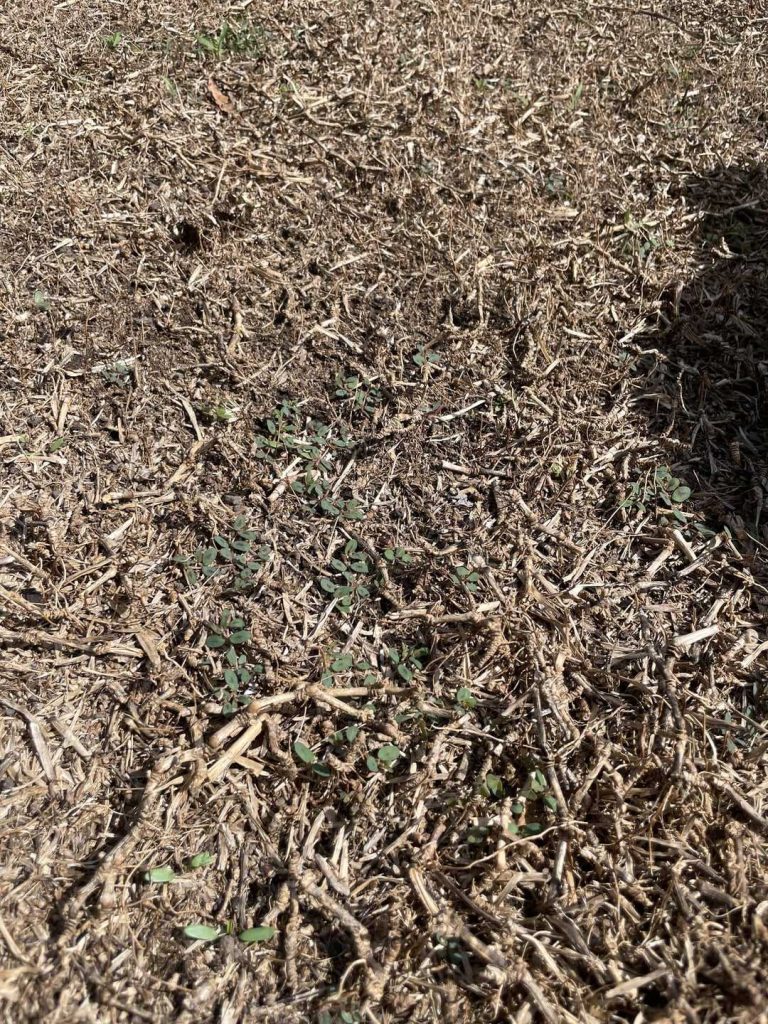
Dead St. Augustine grass looks brown, patchy, and lifeless, often with areas that seem completely dead or severely damaged. It may also have a dull, straw-like appearance, and the blades can be easily pulled up or pulled apart.
In short, dead St. Augustine grass appears brown, patchy, and unhealthy, clearly showing signs of disease, drought, or other stress. Recognizing these visual cues early can help you decide whether to revive or replace your lawn.
If your St. Augustine grass has suddenly turned a dull brown or has patches that won’t green up, you’re likely dealing with dead or dying grass. This striking change can be caused by various factors like poor watering habits, pests, disease, or extreme weather conditions. It’s important to identify the signs early so you can take appropriate action to restore your lawn’s lush appearance. Dead grass not only looks ugly but can also indicate underlying issues that may need attention. Understanding what dead St. Augustine looks like will help you decide whether to try to save it or consider new planting strategies for a healthier, greener lawn.

What Does Dead St Augustine Grass Look Like?
Introduction to Dead St Augustine Grass
Dead St Augustine grass often shows distinct visual clues that set it apart from healthy turf. Recognizing these signs quickly can help homeowners and lawn care experts identify issues early. Understanding what dead grass looks like is essential for taking proper steps to repair or replace damaged patches.
Visual Characteristics of Dead St Augustine Grass
Dead St Augustine grass typically exhibits a dull, brownish color that is different from its usual vibrant green. The patches may appear dry and brittle, often feeling coarse to the touch. These areas might also look patchy, with some spots showing more damage than others.
Color Changes and Texture
One of the first signs of dead grass is a noticeable color shift from lush green to shades of brown or straw-like tan. The texture becomes rough and feels crunchy or crispy underfoot. Healthy grass tends to be soft and flexible, while dead patches are fragile and break apart easily.
Differences Between Dead and Dormant Grass
It can be confusing to distinguish between dormant and dead grass because both may look brown temporarily. Dormant grass retains some flexibility and may still show slight green tinges. Dead grass, however, is uniformly brown or tan and lacks any sign of vitality.
Signs of Severe Damage in St Augustine Turf
If the grass has been severely affected, other signs include thinning areas or complete bare patches. These patches may be surrounded by healthier grass but lack any signs of recovery. Often, these spots are uneven and may have uneven edges.
How to Tell if the Grass Is Truly Dead
A simple way to check is to scratch the surface of a patch with your fingernail or a tool. If the underlying stems and roots feel dry or brittle and don’t bend or show signs of life, the grass is probably dead. Also, look for any new growth, which indicates the grass might still be alive.
Common Causes of Dead St Augustine Grass
Understanding what causes grass to die helps in identifying whether the issue is natural or avoidable. Common causes include drought stress, overwatering, disease, pests, and poor soil conditions. Recognizing the cause can inform the best recovery actions.
Effects of Drought and Watering Issues
Too little water causes grass to turn brown and die. Conversely, overwatering can lead to root rot, which also results in dead patches. Both situations disturb the grass’s ability to absorb nutrients and survive.
Diseases That Kill St Augustine Grass
Fungal diseases like brown patch and gray leaf spot create large, dead patches on the lawn. These diseases often start as small spots that expand, killing the grass tissue within.
Pest Infestations and Their Impact
Pests such as chinch bugs and grubs feed on grass roots and stems, weakening the turf. Severe pest damage can cause the grass to turn brown and die in localized areas.
Soil Problems and Nutrient Deficiency
Poor soil quality, compaction, or lack of essential nutrients can prevent roots from absorbing water and nutrients. This leads to stress and eventual death of the grass in affected zones.
Identifying Dead Grass in Different Seasons
The appearance of dead grass varies with the seasons. During hot summer months, drought stress is the main culprit. In cooler months, frost or disease may be responsible for the damage.
Summer Drought and Heat Damage
In summer, dead patches often appear in areas exposed to full sun and insufficient watering. The grass turns brown quickly and may feel straw-like.
Winter Frost and Cold Damage
Frost can kill grass in exposed areas, resulting in dead patches that look burnt or scorched. These spots may be surrounded by healthier, green grass.
Spring and Fall Recovery Signs
During spring and fall, dead patches may show early signs of recovery if the cause was temporary. Look for new shoots or green tips emerging from the soil.
Differences Between Dead and Diseased Grass
Disease-caused damage may look similar to dead patches but often includes specific signs like mold, spots, or unusual markings. Dead grass generally shows uniform browning without these signs.
How to Confirm if Your Lawn Is Dead
Conduct a simple test by pulling on the grass. If it pulls away easily and shows no green tissue beneath, it’s likely dead. Checking the roots for firmness or softness can also provide clues.
Preventing Future Dead Patches in St Augustine Grass
Prevention involves proper watering, fertilization, pest control, and aeration techniques. Maintaining healthy soil and avoiding overuse of chemicals helps keep the turf alive and vibrant.
Proper Watering Practices
Water deeply but infrequently to encourage deep root growth. Consistent watering prevents drought stress or oversaturation.
Fertilization and Soil Care
Use appropriate fertilizers designed for St Augustine grass. Ensuring good soil drainage and aeration promotes healthy root development.
Pest and Disease Management
Regularly inspect the lawn and treat pest or disease problems promptly. Use recommended herbicides or fungicides as needed.
Seasonal Lawn Care Tips
Adjust watering and fertilization based on the season. Reseed or overseed patches as needed to restore damaged areas.
Restoring Dead St Augustine Grass
Once grass is confirmed dead, the best approach is to remove dead patches and reseed or sod the area. Proper preparation and care improve new growth chances.
Removing Dead Turf
Use a rake or lawn tool to clear away dead grass and debris. Loosen the soil to prepare for new seed or sod. Applying compost can enrich the soil.
Reseeding or Sodding
Choose healthy sod or seed specifically designed for St Augustine grass. Lay sod tightly or spread seed evenly, then water consistently.
Post-Replanting Care
Keep the area moist with regular watering. Avoid heavy foot traffic until the new grass is established and healthy.
Identifying dead St Augustine grass involves examining color, texture, and overall appearance. Recognizing the signs early allows for timely intervention. Proper lawn care practices can prevent future dead patches and ensure a lush, green yard year-round. Regular maintenance, attentive watering, and pest control are vital to keeping St Augustine grass healthy and vibrant.
Brown and Dead St Augustine Grass – Causes \\ St Augustine Tips
Frequently Asked Questions
How can you identify dead St. Augustine grass in your lawn?
Dead St. Augustine grass typically appears as patches of brown or yellow areas that lack the vibrant green color of healthy turf. These patches may feel coarse or brittle when touched and may be easily pulled up or crumble under pressure. Often, the dead grass is scattered unevenly across the lawn, contrasting sharply with surrounding healthy grass, especially during the warmer months when the damage is most noticeable.
What signs indicate that your St. Augustine grass is dying or has died?
Signs of dying or dead St. Augustine include widespread browning, thinning turf, and patches that fail to revive with watering or rainfall. You might notice irregular patches that don’t recover, along with a significant reduction in density. If the roots are no longer holding the grass firmly in place, you may also see areas where the lawn pulls away easily or feels spongy when walked on. These symptoms indicate the grass is no longer alive or healthy.
How does dead St. Augustine grass differ from dormant grass?
Dead St. Augustine grass appears permanently brown, dry, and brittle, showing no signs of revival even after watering or favorable conditions. In contrast, dormant grass turns brown temporarily due to stress, such as extreme heat or drought, but can regain its green color when conditions improve. Dormant grass remains somewhat flexible and may show signs of life beneath the surface, unlike dead turf, which feels dry and lifeless.
What physical characteristics can help you distinguish between dead and healthy grass?
Healthy St. Augustine grass is thick, lush, and vibrant green, with soft leaves that bend easily. Dead grass, on the other hand, feels coarse or brittle, has a dull brown or yellow color, and easily comes apart in your hands. When you pull on dead patches, the roots often come loose, indicating the plant’s inability to hold the turf together. These physical differences help you assess the condition of your lawn accurately.
Can dead St. Augustine grass be revived, and what should you look for?
Reviving dead St. Augustine grass is unlikely once the roots have completely died off. However, if the damage is recent and only certain areas are affected, you can look for signs of recovery, such as new green shoots or roots at the edges of the damaged patches. In cases where the grass is entirely dead, soil preparation and reseeding or sodding may be necessary to restore the lawn. Regularly inspecting the lawn for early signs of stress can help prevent complete die-off later on.
Final Thoughts
Dead St Augustine grass appears discolored, often turning brown or yellow. The blades feel dry, brittle, and easily break apart. Patches may be irregular, showing signs of drought or disease.
Understanding what dead St Augustine grass looks like helps identify problems early. It indicates the grass can no longer recover and needs attention. Prompt action can revive or replace the affected areas.