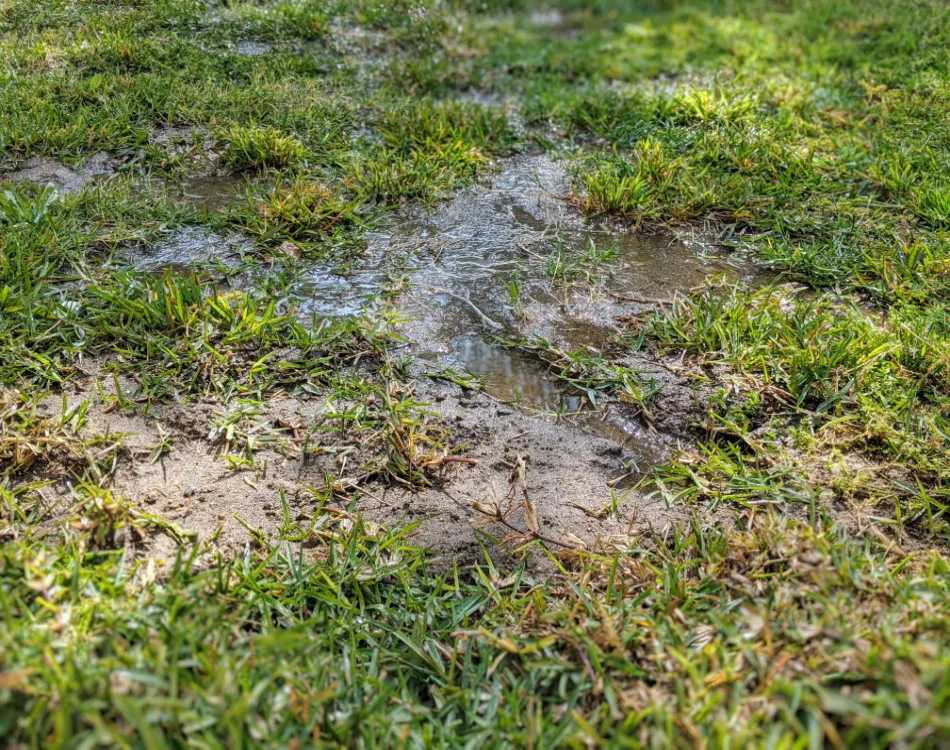
Poor drainage in lawns can turn a lush green space into a muddy mess, but understanding the root causes can help you fix the problem quickly. The main culprits include compacted soil, poor soil composition, and uneven terrain, which prevent excess water from soaking in properly. Addressing these issues can restore your lawn’s health and keep it well-drained.
In essence, poor lawn drainage is often caused by compacted or clay-heavy soil that holds water, inadequate grading that causes water to pool, and a lack of organic matter to improve soil structure. Recognizing these causes early allows you to implement effective solutions to promote healthy, well-drained grass.
When it comes to lawns, water drainage problems are more common than you might think and can lead to serious issues like root rot and disease if left unaddressed. Several factors contribute to poor drainage, including soil type, topography, and maintenance practices. For instance, dense clay soils don’t absorb water well, leading to puddles and soggy patches. Uneven land grading can cause water to collect in low spots, while compacted soil prevents air and water from reaching roots. Over time, these issues weaken your grass and create an unhealthy lawn. Understanding what causes poor drainage is the first step toward fixing it, whether by improving soil, adding proper grading, or aerating your lawn.

What causes poor drainage in lawns
Understanding why your lawn has poor drainage is essential for fixing the problem and keeping your yard healthy. Several factors can contribute to water not flowing properly, leading to soggy patches or even flooding. By identifying these causes, you can take steps to improve your lawn’s drainage and prevent long-term damage.
Soil composition and texture
Soil type plays a significant role in how well water drains from your lawn. Clays, for example, are dense and hold water for a long time, causing poor drainage. Sandier soils, on the other hand, drain quickly but may not retain enough moisture for healthy grass growth. Loamy soils are ideal because they balance water retention with drainage.
Clay soils and their drainage issues
Clay soils are made up of tiny particles packed tightly together. This tight packing blocks water from passing through easily, resulting in water pooling on the surface. Over time, clay can compact even more, worsening drainage problems.
Sand soils and their rapid drainage
Sand soils allow water to flow quickly, which might seem beneficial. However, they do not hold enough moisture or nutrients, which could lead to dry patches. Properly improving sandy soil involves mixing in organic matter to enhance moisture retention.
Soil compaction and aeration problems
Compacted soil is another common cause of poor drainage. Heavy foot traffic or equipment can press soil particles tightly together, leaving little space for air and water movement. When soil is compacted, water cannot soak in properly, leading to surface pooling.
Signs of soil compaction
You might notice that water sits on your lawn after rainfall and takes a long time to seep away. The grass may appear stressed or thin, and there could be an increase in weeds that tolerate wet conditions.
How to improve compacted soil
Aeration is a simple way to relieve soil compaction. Using a garden fork or an aerator tool pokes holes into the soil, creating pathways for water and air. Regular aeration is especially helpful in high-traffic areas.
Poor grading and landscape design
Grading involves shaping the land to ensure water flows away from your home and toward designated drainage spots. An improperly graded lawn can cause water to pool in low areas, leading to persistent sogginess.
Common grading issues
Many lawns are flat or even slightly sloped, but if the slope directs water toward your house or low spots, drainage problems occur. Sometimes, new construction or landscaping changes alter the natural flow of water.
Fixing grading problems
Adjusting the slope of your lawn by adding soil can redirect water away from problem areas. A slope of at least 2% (about 1/4 inch per foot) helps ensure water drains effectively.
Obstructions and debris blocking water flow
Leaves, grass clippings, and other debris can block gutters, drainage ditches, or pathways. When water cannot flow freely, puddles and standing water appear.
Cleaning gutters and drainage pathways
Regularly removing debris from gutters prevents overflow. Clearing weeds or plants that block drainage ditches helps maintain a clear path for water to escape.
Ensuring proper drainage outlets
Check that all drainage outlets are unobstructed. Installing or repairing French drains or dry wells can improve water removal from problematic areas.
Inadequate or broken drainage systems
A poorly installed or damaged drainage system can cause poor water movement and pooling on your lawn. Broken pipes, clogged drains, or improperly installed drains are common issues.
Identifying drainage system issues
Look for soggy patches near drainage outlets or in areas with visible piping. If water is flowing in the wrong direction or not at all, your system may be compromised.
Repairing or upgrading drainage systems
Fix cracks or blockages in pipes, and consider installing new systems like French drains, surface drains, or catch basins where needed. Proper design and installation ensure long-term drainage success.
Overwatering and irrigation practices
Excessive watering can lead to oversaturation of the soil, making drainage more difficult. Even healthy lawns can suffer from poor drainage if watering is not managed correctly.
Signs of overwatering
If your lawn remains wet long after watering or rain, it’s a sign you’re watering too much or too often. Water pooling in certain areas also indicates overwatering.
Best watering practices
Water deeply but less frequently, allowing the soil to dry out slightly between watering sessions. Early morning watering helps reduce surface runoff and encourages deep root growth.
Heavy rainfall and weather conditions
Periods of intense rain or consistent heavy rainfall can overwhelm your lawn’s natural drainage capacity. Poorly graded or compacted soils are especially susceptible to flooding during storms.
Effects of weather on drainage
Heavy rain causes water to accumulate quickly, especially if the soil cannot absorb it fast enough. Persistent wet conditions can lead to fungal diseases and damage to grass roots.
Managing drainage during storms
Creating designated drainage areas, such as rain gardens, can help manage excess water efficiently. Installing diversion channels redirects water away from vulnerable zones.
Vegetation and root systems affecting drainage
The type and health of plants in your lawn influence how water moves through the soil. Dense root systems can help improve soil structure but can also cause issues if plants are invasive.
Grass and plant selection
Choosing grasses suited to your climate and soil type encourages healthy growth and better water absorption. Avoid invasive species that can cause uneven growth and drainage problems.
Root intrusion into drainage systems
Plant roots can infiltrate pipes and drainage systems, causing blockages. Regular inspections and maintenance prevent root-related obstructions.
Clogged or poorly maintained drainage features
Drainage features such as French drains or catch basins can become clogged with debris over time. Without proper maintenance, their ability to drain water diminishes.
Regular inspection and cleaning
Check drainage features periodically and remove any debris or silt buildup. Clean filters and screens to maintain proper flow.
Preventive maintenance tips
Use landscape fabric and gravel around drainage features to prevent sediment buildup. Schedule annual inspections to catch potential problems early.
Related issues impacting drainage
Certain landscape features, such as patios or concrete walkways, can inhibit natural water flow. Additionally, underground utilities or pipes may alter drainage patterns if not properly planned.
Impact of hardscape features
Hard surfaces prevent water from soaking into the ground and can redirect flow toward undesirable areas. Incorporate permeable materials where possible to allow water to pass through.
Underground utilities and pipes
Damaged or misplaced pipes can redirect water unexpectedly, causing pooling. Professional assessments can identify these issues before they worsen.
In conclusion, understanding the causes of poor drainage in lawns involves examining soil type, landscape design, maintenance practices, and weather conditions. Addressing these factors comprehensively can lead to healthier, drier lawns that resist soggy patches and flooding. Regular maintenance, proper grading, and suitable soil amendments are key steps toward improving your yard’s drainage system and keeping your lawn lush and vibrant.
Frequently Asked Questions
How does soil composition affect drainage in lawns?
Poor drainage often stems from soil that doesn’t allow water to pass through efficiently. Heavy clay soils, for example, tend to retain water because their particles are tightly packed, reducing pore space. Conversely, sandy soils drain well but may require more frequent watering as they don’t hold moisture effectively. The balance of soil particles directly influences how quickly water moves through the ground, impacting lawn health.
What role does terrain slope play in lawn drainage issues?
A flat or poorly graded lawn can lead to water pooling after rain or watering, causing drainage problems. When the land lacks a gentle slope, water doesn’t flow away naturally, resulting in saturation and potential damage. Proper grading directs excess water away from the lawn and prevents long-lasting sogginess, helping maintain a healthy, green space.
Can underground structures or roots cause drainage complications?
Yes, underground features such as pipes, foundations, or extensive root systems can obstruct water flow. Roots from nearby trees may infiltrate drainage paths or compact the soil, reducing permeability. Similarly, buried structures can act as barriers, trapping water and leading to pooling or uneven drainage across the lawn.
In what ways does organic matter accumulation impact lawn drainage?
An excess buildup of organic debris, such as fallen leaves, grass clippings, or thatch, can clog soil pores and reduce water movement. Over time, this layer prevents proper absorption, leading to surface runoff or puddling. Regularly removing thatch and debris helps maintain optimal soil structure for effective drainage.
How do lawn maintenance practices influence drainage quality?
Overwatering or improper watering schedules can oversaturate the soil, overwhelming its natural drainage capacity. Additionally, compacting the soil through heavy foot traffic or equipment reduces pore space, hindering water movement. Adopting appropriate watering routines and aerating the lawn can improve drainage and promote healthier grass growth.
Final Thoughts
Poor drainage in lawns often results from compacted soil, which limits water infiltration. Overwatering and heavy clay soil also contribute by creating a dense, impermeable layer. Additionally, poor grading directs water toward certain areas, causing pooling issues. Understanding these factors helps identify the root causes of drainage problems. Addressing these issues through aeration, proper grading, and soil amendments can improve drainage conditions.
What causes poor drainage in lawns? It mainly stems from compacted soil, improper grading, or heavy clay content that prevents water from draining efficiently. Recognizing these causes allows for effective solutions to restore healthy lawn drainage.