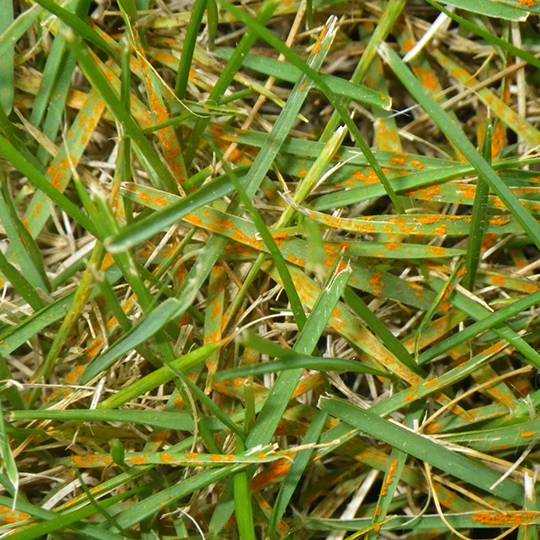
Lawn rust is primarily caused by a fungal infection that thrives in warm, humid conditions. This pesky issue typically arises when your grass is stressed, whether due to lack of nutrients, poor air circulation, or excessive moisture. To prevent lawn rust, ensure your lawn is well-aerated, properly fertilized, and receive adequate sunlight. Regular mowing and watering at the right times can also help maintain a healthy lawn. In this article, we’ll delve deeper into the specific factors contributing to lawn rust and provide actionable tips for keeping your grass lush and vibrant. Understanding the causes will empower you to take the necessary steps to combat this common lawn problem effectively.

“`html
What Causes Lawn Rust?
Lawn rust is an unpleasant sight for any garden enthusiast. It can take over your beautiful green lawn, leaving it looking unhealthy and unattractive. Understanding what causes lawn rust is crucial for prevention and management.
What is Lawn Rust?
Lawn rust is primarily caused by a group of fungi called Puccinia. This fungal infection manifests as yellow, orange, or reddish-brown spots on the grass blades. These spots are the result of fungal spores, which can spread rapidly under the right conditions.
Optimal Conditions for Lawn Rust
Certain environmental conditions encourage the growth of lawn rust. Key factors include:
- High humidity levels
- Warm temperatures, particularly between 60°F to 80°F
- Insufficient sunlight
- Poor air circulation
When these conditions align, the fungi thrive, leading to the spread of lawn rust.
Nutrient Deficiency
Nutrient imbalance in your lawn can also contribute to the onset of lawn rust. Grass requires essential nutrients to maintain its health. A lack of nitrogen, for instance, can weaken grass, making it more susceptible to diseases.
Signs of Nutrient Deficiency
Look out for these signs that may indicate your lawn is lacking nutrients:
- Yellow or pale grass color
- Thin grass blades
- Areas of slow growth
Regular soil testing can help you determine nutrient deficiencies and help you correct them.
Grass Type and Variety
Not all grass species are equally prone to lawn rust. Some types of grass are more resistant to rust than others. Choosing the right variety for your region is essential for a healthy lawn.
Common Grass Types Affected by Lawn Rust
Certain grass types are more susceptible to lawn rust, including:
- Fescue
- Ryegrass
- Bermudagrass
Knowing which types of grass are more prone to lawn rust can help you make better choices when planting or reseeding.
Improper Watering Practices
Watering is crucial for lawn health, but improper practices can lead to issues. Over-watering creates a humid environment which is perfect for lawn rust to flourish.
Tips for Proper Watering
To maintain a healthy lawn, consider the following watering tips:
- Water early in the morning to reduce evaporation.
- Ensure the lawn gets about one inch of water per week.
- Avoid watering in the evening, as it can foster a damp environment.
Proper watering can help prevent lawn rust and keep your grass healthy.
Improper Lawn Maintenance
Neglecting lawn maintenance can create the perfect conditions for lawn rust to develop. Regular mowing, fertilizing, and watering contribute to a healthy lawn.
Essential Lawn Care Practices
Follow these essential lawn care practices:
- Mow regularly to prevent long grass blades that can trap moisture.
- Fertilize your lawn according to the seasonal needs.
- Ensure proper aeration to promote air circulation.
These practices will help keep your lawn strong and less prone to diseases.
Identifying Lawn Rust
Recognizing lawn rust early is vital for effective control. Keep an eye out for the following symptoms:
- Rust-colored spots on grass blades.
- Gray or white powdery substances on the grass.
- Grass blades that feel fragile or brittle.
If you see any of these signs, it may be time to take action against lawn rust.
Controlling Lawn Rust
Addressing lawn rust quickly is essential to prevent further spread. Here are a few methods to control it:
- Remove affected grass blades to reduce spore spread.
- Improve sunlight and air circulation by thinning out dense areas.
- Apply appropriate fungicides as a last resort.
These steps can help manage lawn rust and protect your grass.
Biological Control Methods
Consider implementing biological control methods for a more sustainable approach. Beneficial organisms can help combat lawn rust.
Examples of Biological Controls
Some effective biological controls include:
- Introducing beneficial nematodes that prey on fungal spores.
- Using compost teas to boost soil health and promote beneficial microbes.
These methods can help reduce the spread of lawn rust organically.
Preventative Measures Against Lawn Rust
Prevention is always better than cure. To keep lawn rust at bay, follow these preventative measures:
- Choose rust-resistant grass varieties when planting.
- Maintain a balanced fertilizer regimen.
- Ensure proper watering techniques.
Implementing these measures can significantly reduce the chances of lawn rust.
Seasonal Considerations
Monitoring lawn health through seasonal changes can help you catch lawn rust early. Different seasons bring varying challenges.
Spring and Fall Precautions
In spring and fall, consider the following:
- Monitor for moisture levels, as spring can bring rain.
- Check for rust spores during warm, dry spells in the fall.
Being proactive during these seasons can help you manage lawn health effectively.
Impact of Lawn Rust on Overall Lawn Health
Lawn rust can not only affect the appearance of your lawn but also its overall health. It can weaken grass, making it more vulnerable to other diseases.
Long-term Effects of Lawn Rust
If left untreated, lawn rust may lead to:
- Increased susceptibility to pests and diseases.
- Permanent damage to the grass if conditions persist.
Taking immediate action against lawn rust is essential for the longevity of your lawn.
By understanding what causes lawn rust, you can take steps toward prevention and control. Regular maintenance, proper watering, and choosing the right grass variety are essential in combating this issue. Keeping your lawn healthy and vibrant is not just about aesthetics; it’s about creating a thriving environment for your grass. Taking the right actions will result in a beautiful lawn free from lawn rust.
“`
Rust.. On the Lawn? Turf Disease Affecting New Lawns | Turf Tips with Dr. Brad
Frequently Asked Questions
“`html
How does humidity affect the development of lawn rust?
Humidity plays a significant role in the development of lawn rust. High humidity creates an ideal environment for the fungi that cause rust diseases to thrive. When grass plants remain damp for extended periods, it increases the likelihood of infection. Therefore, lawns in areas with high humidity are more susceptible to rust compared to drier locations.
What role does soil health have in preventing lawn rust?
Healthy soil is crucial for maintaining a vigorous lawn that can better resist diseases like lawn rust. Soils rich in organic matter provide essential nutrients to grass, helping it grow strong and resilient. When soil lacks nutrients or is compacted, grass becomes weaker and more susceptible to fungal infections, including rust, making regular soil maintenance important for lawn health.
How can poor lawn care practices contribute to lawn rust?
Poor lawn care practices, such as infrequent mowing, overwatering, or neglecting fertilization, can increase the likelihood of lawn rust. For example, allowing grass to grow too tall can create shade and trap moisture, which fosters the growth of rust fungi. Similarly, overwatering can lead to excessive moisture on the grass blades, providing an ideal environment for rust to develop.
What types of grasses are more prone to rust disease?
Some types of grasses are more susceptible to rust disease than others. Cool-season grasses, such as Kentucky bluegrass and fescue, are particularly vulnerable to rust during periods of warm, humid weather. Conversely, warm-season grasses may exhibit less susceptibility but can still be affected under the right conditions. Understanding which grasses are more prone to rust can help you make informed choices for your lawn.
How does temperature influence the likelihood of lawn rust?
Temperature significantly influences the occurrence of lawn rust. Rust fungi prefer warm temperatures, typically thriving in conditions between 60°F and 75°F (15°C to 24°C). When temperatures are within this range, along with sufficient moisture and humidity, the risk of rust infections increases, making it essential to monitor weather conditions to prevent outbreaks.
“`
Final Thoughts
Lawn rust results from a combination of factors that create an ideal environment for the fungus to thrive. High humidity, warm temperatures, and poor air circulation lead to the development of this disease. Additionally, improper lawn care practices, such as over-fertilizing and inadequate watering, also contribute to the problem. Understanding what causes lawn rust helps homeowners take corrective measures to maintain a healthy, vibrant lawn.