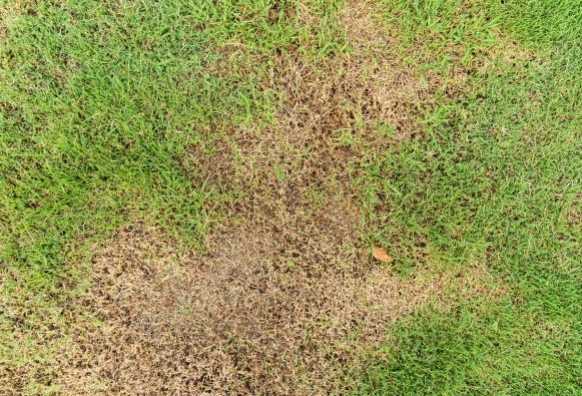
Brown spots in your Bermuda lawn can be caused by a variety of issues, including pests, disease, drought stress, or improper watering. The quick answer is that these brown patches usually result from a combination of environmental stresses and maintenance problems that weaken the grass and make it more susceptible to damage. Identifying the root cause is crucial for effective treatment and a lush, healthy yard.
Brown spots in Bermuda grass are a common frustration for homeowners, often appearing suddenly and ruining the pristine look of a well-manicured lawn. These patches can be caused by anything from fungal infections to insect invasions, or simply stress from drought or overwatering. Often, the issue lies in how the lawn is cared for or environmental conditions that create a hostile environment for healthy grass growth. Understanding what triggers these brown patches will help you take targeted steps to restore your lawn’s vibrant green color and keep it looking its best all season long.

What Causes Brown Spots in Bermuda Lawn
Understanding the Nature of Bermuda Grass
Bermuda grass is a popular choice for lawns because of its durability and lush appearance. However, it is prone to developing brown spots that can ruin its overall look. These spots can be caused by various factors that affect the health of the grass.
Common Causes of Brown Spots in Bermuda Lawn
Brown spots on Bermuda grass are often signs of underlying issues. These issues can be environmental, biological, or caused by lawn maintenance practices. Recognizing the root cause is essential for proper treatment and prevention.
Poor Watering Practices
Inconsistent watering is one of the primary causes of brown patches. Overwatering can lead to waterlogged soil, which drowns roots and hampers oxygen flow. Underwatering, on the other hand, causes drought stress, making the grass turn brown.
- Watering too infrequently
- Applying water unevenly
- Watering during the hottest part of the day
Proper watering involves deep, infrequent sessions early in the morning, giving grass time to recover and stay hydrated.
Fungal Infections
Several fungal diseases are responsible for brown spots in Bermuda lawns. Common fungi include Brown Patch and Large Patch, which thrive in warm, humid conditions.
Brown Patch Disease
This disease causes round or irregular brown patches with a darker ring around the edges. It is most active in late summer and early fall when humidity is high.
Signs and Prevention
Look for soft, sunken patches with a fuzzy, grayish or brownish layer on the surface. To prevent fungal infections, avoid overwatering and improve air circulation around the lawn.
Pest Infestations
Certain pests can damage Bermuda grass, leading to brown patches. Chinch bugs, grubs, and armyworms are common culprits.
Chinch Bugs
These tiny insects suck the sap from grass blades, causing significant damage. They tend to attack in hot, dry conditions.
Identifying and Controlling Pests
Look for small black bugs with white wings or larvae in the soil. Using appropriate insecticides or natural predators can help control these pests.
Pet Damage and Traffic
High foot or vehicle traffic can compact soil, making it difficult for roots to grow and access nutrients. Pets may also urinate on the lawn, which can kill grass in those spots.
- Compacted soil
- Urine burns
- Repeated wear and tear
Creating pathways or installing barriers can reduce damage, and watering the area after pet urination helps dilute urine salts.
Dog Urine and Chemical Burns
Dog urine contains high levels of nitrogen and salts, which can burn the grass, resulting in brown patches. These spots often have a defined shape and may be surrounded by healthy grass.
Preventive Measures
Training pets to urinate in designated areas, watering the lawn after they go, and applying lawn amendments like lime can minimize damage.
Soil Imbalance and Nutrient Deficiency
A lack of essential nutrients can weaken Bermuda grass, making it susceptible to brown spots.
Common Nutrient Issues
Deficiencies in nitrogen, potassium, or iron are common causes. Nitrogen deficiency results in yellow or brown color, while iron deficiency causes chlorosis, turning the grass yellow-green and brown patches.
Soil Testing and Fertilization
Regular soil testing helps determine nutrient levels. Applying balanced fertilizers tailored to Bermuda grass improves resilience and color.
Improper Mowing Techniques
Mowing too low or infrequently can stress Bermuda grass, leading to brown spots. A height of about 1.5 to 2 inches is ideal for Bermuda lawns.
Effects of Mowing Errors
Mowing too short exposes the grass to sunburn and increases vulnerability to pests and diseases. Sharp blades also help prevent tearing, which can cause stress.
Best Mowing Practices
Maintain a consistent mowing schedule, never cut more than one-third of the grass height at a time, and ensure blades are sharp.
Environmental Factors and Climate Conditions
Heat stress and drought are major contributors to browning in Bermuda lawns. Extended periods without rain or high temperatures can cause the grass to go dormant.
Heat and Drought Stress
When temperatures soar above 90°F, Bermuda grass conserves moisture by turning brown or going dormant. Prolonged drought causes dehydration, further damaging the turf.
Protection Strategies
Implement proper watering, avoid cutting grass too short during hot weather, and consider overseeding with drought-tolerant varieties when necessary.
Physical Damage from Landscaping Activities
Heavy equipment, aeration, or overzealous edging can damage roots and leave patches of dead grass. These areas often turn brown before recovering.
Minimizing Damage During Lawn Work
Use careful techniques, avoid working during extreme heat, and allow time for recovery after major landscaping projects.
Other Less Common Causes
Other factors that might cause brown spots include chemical spills, salt buildup, or poorly applied pesticides. These issues often require specific remedies.
Chemical Burns
Incorrect application of herbicides or fertilizers can burn grass. Always follow label instructions and apply during favorable weather conditions.
Salt Buildup
Excessive use of de-icing salts or irrigation with contaminated water can lead to salt accumulation, damaging roots and causing brown patches.
Final Thoughts on Causes of Brown Spots
Each brown spot in Bermuda lawn has a different cause, and identifying the source is key to effective treatment. Regular lawn inspections and proper maintenance can prevent many problems.
Summary of Key Factors
| Cause | Signs | Prevention |
|---|---|---|
| Poor watering | Brown patches, drought stress | Consistent deep watering |
| Fungal disease | Round patches, fuzzy margins | Proper lawn aeration and fungicide application |
| Pest damage | Chewed grass, small bugs | Regular pest control |
| Paw traffic or pet damage | Localized brown patches | Limit access and watering after pet urination |
By understanding these causes and taking proactive steps, you can maintain a vibrant, healthy Bermuda lawn free of unsightly brown spots. Proper care, timely intervention, and awareness of environmental factors are essential for keeping your grass lush and green.
Bermuda lawn not greening up and brown spots in lawn
Frequently Asked Questions
What are common environmental factors that lead to brown spots in a Bermuda lawn?
Environmental conditions such as drought, excessive heat, or uneven watering can cause Bermuda grass to develop brown patches. When the grass doesn’t receive enough moisture, it goes into dormancy to conserve water, resulting in discoloration. Similarly, prolonged exposure to high temperatures can stress the grass, causing it to turn brown. Poor drainage or inconsistent watering practices may also lead to localized dry spots, further contributing to uneven patches in your lawn.
How can nutrient deficiencies create brown spots in Bermuda grass?
A lack of essential nutrients like nitrogen, potassium, or iron can result in brown areas on Bermuda grass. Nitrogen deficiency causes the grass to turn yellow or brown as it struggles to produce healthy blades. Iron deficiency can lead to chlorosis, where the grass loses its green color and appears brownish. Ensuring your lawn receives a balanced fertilization schedule helps maintain vibrant green color and prevents patchy browning caused by nutritional gaps.
In what ways do pests and diseases contribute to brown patches in Bermuda turf?
Pests such as grubs, Armyworms, or chinch bugs can damage Bermuda grass roots or blades, leading to brown patches. These insects feed on the grass, weakening the turf and causing it to die back. Diseases like Brown Patch, caused by fungal infections, thrive in warm, humid conditions and create circular brown spots with a darker ring. Regular lawn inspections, proper fertilization, and maintaining good airflow help reduce the risk of pest infestations and fungal diseases that cause browning.
Can improper mowing practices cause brown spots on Bermuda lawns?
Yes, mowing practices significantly impact the health of Bermuda grass. Cutting the grass too short exposes the turf to stress from the sun, leading to dehydration and brown patches. Dull mower blades can tear grass blades, making them more susceptible to disease and stress. Maintaining proper mowing height, sharp blades, and regular trimming supports healthy growth and minimizes the development of brown patches.
What role does soil compaction play in the appearance of brown spots on Bermuda lawns?
Soil compaction reduces air and water movement within the soil, limiting root growth and nutrient uptake. This stress hampers the grass’s ability to recover from environmental pressures, resulting in brown, patchy areas. Heavy foot traffic, equipment, or improper aeration can compact the soil. Regular aeration helps loosen compacted soil, promoting healthier root development and reducing the occurrence of brown patches.
Final Thoughts
Brown spots in Bermuda lawn often result from pest damage, fungal infections, or inadequate watering. Poor soil health and improper fertilization can also weaken turf, making it vulnerable. Environmental stressors like drought or excessive heat contribute as well.
Many spots appear because of overexposure to the sun or cold damage. Additionally, pet urine or chemical spills can cause localized browning. Recognizing these causes helps in managing and preventing brown patches.
In conclusion, what causes brown spots in Bermuda lawn includes pests, fungi, environmental stress, and chemical exposure. Addressing these factors effectively can restore your lawn’s health and appearance.