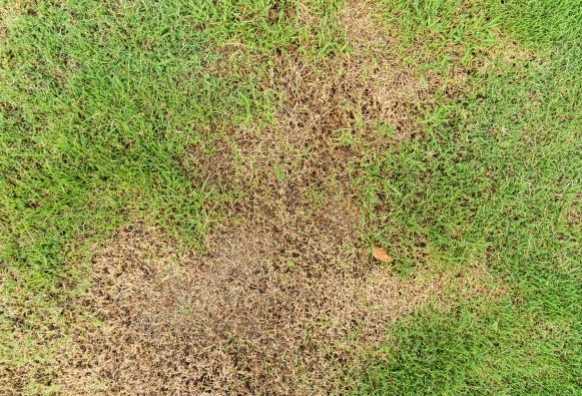
Brown spots in Bermuda grass can turn an otherwise lush lawn into a patchy eyesore, leaving homeowners frustrated and unsure of how to fix the problem. These unsightly patches are often caused by a combination of factors like disease, pests, improper watering, or nutrient deficiencies. Addressing the root cause quickly can restore your lawn’s vibrant green color and keep those brown patches at bay.
In short, brown spots in Bermuda grass are usually caused by fungal diseases, over- or under-watering, or pest infestations. Proper lawn care, early detection, and targeted treatments can help you keep your grass healthy and free of unsightly patches.
If you’ve noticed brown patches popping up in your Bermuda grass, don’t worry—understanding what triggers these spots is the first step toward a healthy, green lawn. Sometimes, environmental stress, like drought or excessive heat, can weaken the grass and make it more vulnerable to disease or pests. Other times, problems like poor soil drainage, improper mowing height, or nutrient imbalances can create the perfect storm for brown spots to develop. Knowing the common causes helps you identify the issue quickly and apply the right solution, whether it’s adjusting watering habits, applying fungicides, or improving soil health. With some care and attention, you can restore those grassy patches to their vibrant, healthy state.

What Causes Brown Spots in Bermuda Grass
Introduction to Brown Spots in Bermuda Grass
Bermuda grass is a popular choice for lawns because of its durability and lush appearance. However, brown spots can appear unexpectedly, turning parts of your lawn dull and unattractive. These spots can be caused by a variety of factors, making it important to understand what leads to their development. Knowing the causes helps you take better care of your grass and prevent future problems.
Common Causes of Brown Spots in Bermuda Grass
Brown spots often originate from issues related to water, pests, disease, or environmental stress. These factors can weaken the grass, causing it to turn brown and die in patches. Below, we explore each cause in detail to help you identify what might be affecting your lawn.
Inadequate Watering Practices
One of the leading causes of brown spots is irregular watering. Bermuda grass needs consistent moisture to stay healthy and green. When the grass does not receive enough water, it becomes stressed, resulting in brown patches that look dry and dead. Conversely, overwatering can also cause problems by promoting root rot and fungal growth.
Overwatering and Drainage Issues
Proper drainage is essential for Bermuda grass health. Excess water can drown roots, leading to rot and brown patches. Poorly drained soil prevents water from evaporating, causing soggy conditions that weaken the grass. Ensuring proper irrigation and drainage can help prevent these issues.
Pest Infestation
Various pests target Bermuda grass and can cause brown spots. Insects such as grubs, armyworms, and billbugs feed on grass roots or blades, creating damaged areas that turn brown. An infestation can quickly spread if not detected early, so monitoring your lawn regularly is key.
Disease and Fungal Infections
Fungal diseases are common culprits behind brown patches in Bermuda grass. Diseases like dollar spot, brown patch, and spring dead spot thrive in certain conditions. For example, warm, humid weather combined with excessive moisture can trigger fungal outbreaks. These diseases often start as small spots that enlarge, leading to large brown areas.
Sunburn and Environmental Stress
Too much direct sunlight can cause Bermuda grass to turn brown, especially during hot summer months. Sunburned grass loses moisture rapidly and becomes dry and brittle. Similarly, environmental stress from strong winds or drought conditions can dehydrate the grass, resulting in brown patches.
Soil Imbalance and Nutrient Deficiency
Proper soil health is vital for lush Bermuda grass. A lack of essential nutrients like nitrogen, potassium, or phosphorus can weaken the grass, making it more susceptible to brown spots. Soil pH imbalances can also hinder nutrient uptake, contributing to discoloration and dying patches.
Compaction and Traffic Damage
High foot traffic damages the grass by compacting soil and crushing roots. Compacted soil limits oxygen and water movement, leading to poor root development and brown patches. Heavy equipment or pet activity can also cause physical damage, resulting in visible dead areas.
Identifying Specific Causes of Brown Spots in Your Lawn
Determining the exact reason for brown patches can be challenging but is essential for effective treatment. Start by inspecting the size, shape, and location of the brown spots. Notice any patterns, such as areas near trees, shaded spots, or patches in high-traffic zones.
Signs of Pest Infestation
Look for signs like chewed blades, insects or larvae in the soil, or uneven patches. If you suspect pests, consider conducting a soil test or consulting a lawn professional for accurate diagnosis.
Detecting Disease
Fungal infections often have telltale signs such as fuzzy growth, water-soaked spots, or rings of dead grass. Take a sample to a local extension office or lawn care expert for confirmation.
Assessing Watering Issues
Check your irrigation schedule and soil moisture levels. Both overwatering and underwatering can be causing stress. Use a moisture meter or probe to evaluate soil conditions.
Preventing and Managing Brown Spots in Bermuda Grass
Prevention starts with proper lawn care routines. Regular maintenance, adequate watering, fertilization, and pest control all play roles in keeping your Bermuda grass healthy.
Effective Watering Techniques
Water deeply and infrequently to encourage deep root growth. Early morning watering reduces evaporation and fungal risks. Adjust irrigation based on weather conditions to avoid over- or under-watering.
Fertilization and Nutrient Management
Feed your Bermuda grass with a balanced fertilizer high in nitrogen during the growing season. Conduct soil tests annually to monitor nutrient levels and pH balance. Proper fertilization promotes lush, green growth and resilience against stress.
Pest Control Strategies
Manage pests with targeted treatments such as insecticides or natural predators. Regular lawn inspections help catch infestations early. Applying beneficial nematodes or biological controls can also reduce pest populations safely.
Disease Prevention and Treatment
Apply fungicides at the first signs of fungal disease. Improve drainage and avoid watering late in the day to prevent fungal growth. Proper mowing height and lawn aeration can also reduce disease susceptibility.
Environmental Care and Shade Management
Limit excessive shade by pruning trees or shrubs. During hot spells, provide supplemental watering and avoid lawn stressors like foot traffic during peak heat. Mulching around trees can help regulate soil temperature and moisture.
Soil Maintenance and Aeration
Conduct regular aeration to reduce soil compaction and promote healthy root growth. Incorporate organic matter or compost to improve soil structure and nutrient availability. Testing soil pH and adjusting as needed ensures optimal conditions for Bermuda grass.
Additional Tips and Tricks for a Healthy Lawn
Maintaining a healthy Bermuda grass lawn involves a consistent routine. Mowing at the correct height, removing thatch, and overseeding can all improve the resilience of your turf. Keep a regular schedule of lawn care practices to minimize the chances of brown patches developing.
Choosing the Right Lawn Care Products
Use fertilizers and pesticides suited specifically for Bermuda grass. Always follow label instructions for application rates and timing. Organic options are available for safer, environmentally friendly lawn maintenance.
Seasonal Lawn Care
Adjust your care routine with the changing seasons. In spring and summer, focus on fertilization and watering. In fall and winter, reduce mowing and watering while ensuring the grass remains healthy enough to withstand colder months.
Professional Assistance
If brown spots persist despite your efforts, consider consulting a lawn care professional. They can provide expert diagnosis and tailored treatment plans that target complex issues effectively.
Summary of Key Factors in Brown Spot Prevention
- Consistent, deep watering
- Balanced fertilization
- Proper mowing height
- Regular aeration
- Effective pest and disease control
- Soil testing and pH adjustment
- Maintaining good drainage
- Minimizing foot traffic and physical damage
Maintaining a vibrant Bermuda grass lawn requires attention to detail and proactive care. Understanding the causes of brown spots enables you to take targeted action and enjoy the lush, green landscape you desire.
Brown Spots and Patches in Bermudagrass
Frequently Asked Questions
How does overwatering affect the health of Bermuda grass?
Overwatering creates a waterlogged environment that prevents the roots from getting enough oxygen. This stress weakens the grass, making it more susceptible to diseases and causing brown spots to appear. Excess moisture also encourages fungal growth, which can further damage the turf.
What role do pests play in causing brown patches in Bermuda grass?
Certain pests, such as grubs and chinch bugs, feed on Bermuda grass roots and blades. Their feeding activity damages the turf’s structure and reduces its ability to absorb nutrients and water. This damage often results in brown patches as the grass struggles to recover from pest infestations.
How does nutrient deficiency lead to brown spots in Bermuda grass?
When Bermuda grass lacks essential nutrients like nitrogen, iron, or potassium, it cannot maintain healthy growth. Nutrient deficiencies weaken the plant’s immune system, making it prone to stress and diseases. These deficiencies manifest as brown spots, especially in areas where the soil lacks necessary minerals.
Can lawn diseases cause brown patches in Bermuda grass?
Yes, various fungal and bacterial diseases target Bermuda grass, leading to brown patches. Conditions like dollar spot, brown patch, and patch disease thrive in warm, humid weather and can spread rapidly. Proper lawn care, aeration, and timely treatment help prevent these diseases from damaging large sections of the grass.
What environmental factors contribute to the appearance of brown spots on Bermuda grass?
Environmental stressors such as excessive heat, drought, or inadequate watering can weaken Bermuda grass, leading to brown spots. Sudden temperature fluctuations and poor soil drainage also create conditions unfavorable for the grass, resulting in localized damage and brown patches.
Final Thoughts
Brown spots in Bermuda grass often result from fungal infections, drought stress, or improper fertilization. Overwatering or poor drainage can also cause root rot, leading to discoloration. Additionally, pest damage and pet urine can create localized brown patches.
Understanding these causes helps prevent and treat brown spots effectively. Regular lawn maintenance, appropriate watering, and pest control are key. Recognizing what causes brown spots in Bermuda grass ensures a healthier, greener lawn.