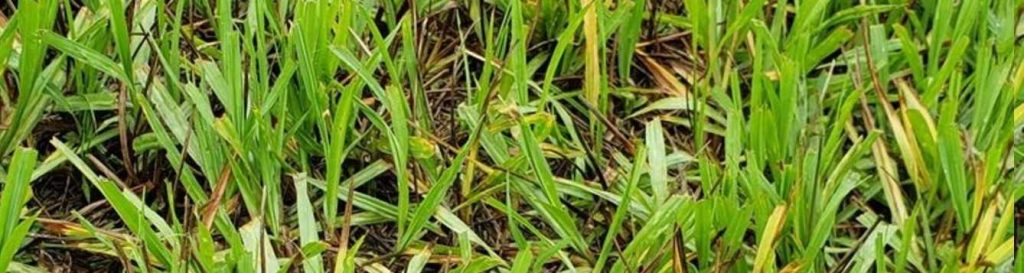
If your Bahia grass suddenly starts turning yellow, don’t panic—it’s often a sign that something’s off with its care or environment. The quick fix depends on identifying the root cause, such as watering issues, nutrient deficiencies, or pests. Addressing these problems promptly can restore your lawn’s lush, green appearance and prevent further damage.
In short, Bahia grass turns yellow mainly due to inadequate watering, nutrient deficiencies, or poor soil conditions. Overexposure to extreme heat or pests can also cause discoloration. Understanding these common causes enables you to take targeted steps to keep your lawn healthy and vibrant.
Bahia grass is a popular choice for warm climates because of its drought tolerance and resilience, but it can be surprisingly sensitive to environmental stressors. If your grass begins to turn yellow, it’s often an indication that it’s struggling to get what it needs to thrive. Common culprits include improper watering—either too much or too little—nutrient deficiencies, especially nitrogen, or damage from pests and diseases. Soil quality also plays a crucial role; poor drainage or compacted soil can hinder root growth and lead to discoloration. Recognizing these signs early and adjusting your lawn care routine can help your Bahia grass regain its healthy, green hue and stay resilient in the face of environmental challenges.

What Causes Bahia Grass to Turn Yellow
Understanding Bahia Grass and Its Natural Color
Bahia grass is a warm-season grass popular in many yards and pastures. It has a natural green hue that looks lush and healthy when growing well. However, sometimes it turns yellow, which can alarm homeowners and gardeners.
Common Reasons for Yellowing Bahia Grass
Yellowing often indicates a problem with the grass’s health. Several issues can cause this change in color, including improper watering, nutrient deficiencies, pests, diseases, and environmental stressors. Identifying the exact cause helps in taking proper action.
Watering Problems and Their Impact
Overwatering
Overwatering is a common mistake. Too much water can suffocate the roots, leading to poor nutrient absorption and yellow leaves. It often results in soft, dull-looking grass that feels spongy.
Underwatering
On the other hand, insufficient watering causes dehydration. Bahia grass requires regular moisture, especially during hot seasons. Lack of water makes the blades turn yellow and dry out.
Signs of Watering Issues
- Yellow patches spreading across the lawn
- Wilted or drooping grass blades
- Soil that feels either too wet or too dry
Soil Nutrient Deficiencies and Fertilization
Nitrogen Deficiency
Nitrogen is essential for healthy, green grass. A deficiency results in pale or yellowish blades. Lack of nitrogen often occurs if fertilization is missed or improper.
Other Nutrients
Potassium, phosphorus, and iron are also vital. Deficiencies can cause various symptoms, but yellowing is most common with nitrogen shortfalls.
Fertilizer Tips
- Use a balanced fertilizer suitable for Bahia grass
- Apply fertilizer during the active growing season
- Avoid over-fertilizing, which can cause further stress
Pests That Damage Bahia Grass
Insects and Their Effects
Certain pests suck nutrients from the grass, leading to yellow patches. Chinch bugs and mole crickets are common culprits.
Identification and Control
Look for signs such as uneven patches with wilted blades. Remedial actions include pest-specific insecticides and natural predators.
Diseases Causing Yellowing
Fungal Infections
Fungal diseases like brown patch or dollar spot can cause yellow or brown spots. They thrive in humid, poorly aerated soil conditions.
Prevention and Treatment
Proper lawn maintenance, aeration, and fungicide applications help control these issues. Ensure good drainage and avoid excessive watering.
Environmental Stressors and Their Effect
Temperature Extremes
High temperatures stress Bahia grass, especially if it exceeds its tolerance level. Threats include heatwaves and prolonged droughts.
Shade and Sunlight
Too much shade reduces photosynthesis, leading to yellowing. Bahia prefers full sun for optimal growth.
Soil pH and Drainage
Soil that’s too acidic or too alkaline can hinder nutrient uptake. Proper drainage prevents waterlogging and root rot, both of which cause yellowing.
Compaction and Lawn Maintenance
Heavy foot traffic compacts soil, making it difficult for roots to grow and access nutrients. Regular aeration loosens the soil, improving health.
Proper Lawn Care Practices to Prevent Yellowing
Regular mowing, water management, fertilizing, and pest control keep Bahia grass healthy. Monitoring conditions and adjusting care routines is key to maintaining its vibrant green color.
Related Topics
How to Restore Yellow Bahia Grass
Reviving yellow grass involves correcting underlying issues like watering, fertilization, and pest control. Reseeding may be necessary in severely affected areas.
Best Fertilizers for Bahia Grass
Choose fertilizers with appropriate ratios for nitrogen, phosphorus, and potassium. Slow-release formulas support sustained growth.
Soil Testing and pH Adjustment
Testing soil helps determine pH and nutrient levels. Amendments like lime or sulfur can adjust pH for optimal grass health.
Seasonal Lawn Care Tips
Adjust watering and fertilizing routines according to the season. Prepare the lawn for dormancy and recovery periods.
Yellowing Bahia grass is a sign that something’s out of balance in its environment or care routine. By understanding the causes—be it watering issues, nutrient deficiencies, pests, diseases, or environmental stressors—you can take targeted steps to restore its lush green appearance. Regular lawn maintenance, proper fertilization, and attentive monitoring are key to keeping Bahia grass healthy and vibrant year-round.
Why is my GRASS turning YELLOW? 🌱🟡 (Causes and Solutions)
Frequently Asked Questions
What nutrient deficiencies can cause Bahia grass to turn yellow?
When Bahia grass lacks essential nutrients such as nitrogen, iron, or magnesium, it often turns yellow. Nitrogen deficiency typically results in a general yellowing of the grass, while iron deficiency causes yellowing in new growth. Magnesium deficiency can also lead to yellowing, especially in older leaves. Ensuring the soil has adequate levels of these nutrients through fertilization can help maintain a healthy, green appearance.
How does improper watering lead to yellowing in Bahia grass?
Inconsistent watering practices can stress Bahia grass, leading to yellowing. Overwatering can drown roots and promote root rot, preventing the grass from absorbing nutrients effectively. Conversely, underwatering causes drought stress and dehydration. Both scenarios hinder the grass’s ability to stay healthy, emphasizing the importance of maintaining a balanced watering schedule that keeps the soil moist but not waterlogged.
Can pests or diseases cause Bahia grass to yellow?
Yes, pests like chinch bugs and armyworms can damage Bahia grass, resulting in yellow patches or overall discoloration. Fungal infections, such as brown patch or dollar spot, also contribute to yellowing and thinning of the turf. Regular inspection, proper yard maintenance, and prompt treatment with appropriate pest control or fungicides help prevent and manage these issues.
What environmental factors can lead to the yellowing of Bahia grass?
Extreme temperatures, particularly heat stress during hot seasons, can cause Bahia grass to yellow. Additionally, soil pH that is too high or too low affects nutrient availability, contributing to discoloration. Excessive shade reduces sunlight exposure, which hampers photosynthesis and causes the grass to lose its vibrant green color. Managing these environmental factors improves the health and appearance of Bahia grass.
How does soil compaction affect the color of Bahia grass?
Compacted soil restricts root growth and limits oxygen availability, making it harder for Bahia grass to absorb nutrients and water. This stress often manifests as yellowing or thinning turf. Aerating the soil alleviates compaction, promotes healthy root development, and helps the grass maintain its lush green color.
Final Thoughts
Les causes de la coloration jaune de la bahia peuvent varier. La mauvaise irrigation, notamment un arrosage insuffisant, provoque souvent ce problème. De plus, un excès d’engrais ou un manque de nutriments essentiels contribue aussi à ce phénomène.
Le stress dû à des conditions environnementales extrêmes, comme la chaleur intense ou le gel, peut aussi jaunir la pelouse. La présence de mauvaises herbes ou de maladies peut aggraver la situation.
En résumé, ce qui cause bahia grass to turn yellow résulte principalement de déséquilibres en eau, nutriments ou stress environnemental. Une attention adéquate à ces facteurs permet de préserver une pelouse saine et verte.