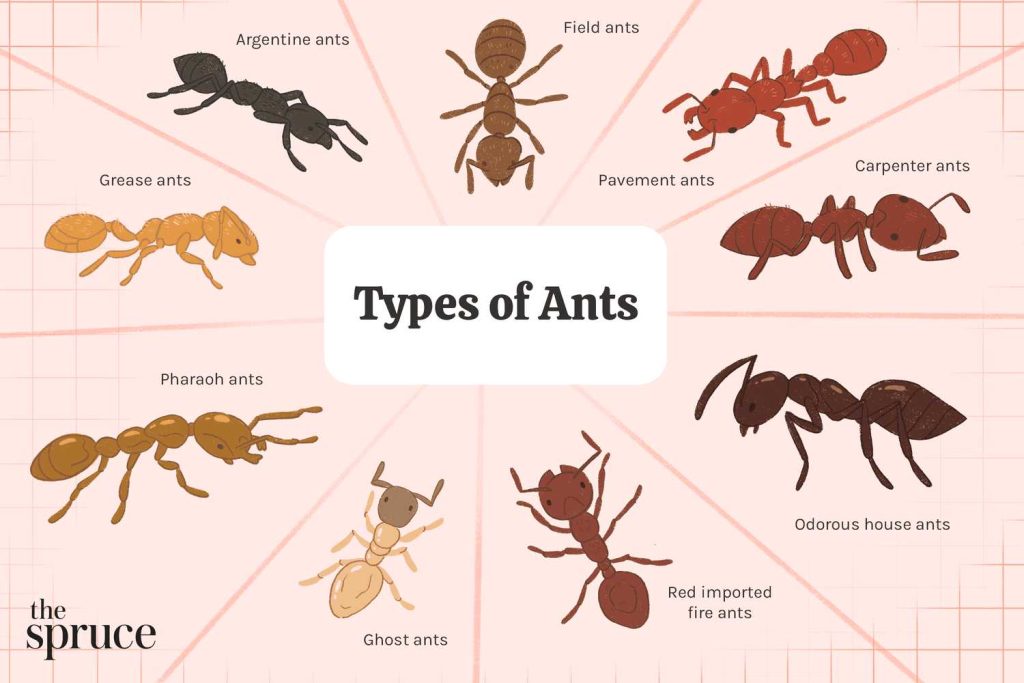
If you’ve ever wondered about the various types of ants you might encounter in your backyard or home, you’re not alone! Ants are incredibly diverse creatures, with over 12,000 species identified worldwide, each exhibiting unique behaviors and characteristics. From the tiny, industrious sugar ants that invade your picnic to the formidable fire ants known for their painful stings, the world of ants is fascinating and complex. Whether you’re a curious nature lover, a gardener, or simply trying to understand why these tiny insects seem to have taken over your space, knowing the different types of ants can help you better appreciate their roles in the ecosystem and potentially manage any unwanted guests. Let’s dive into the intriguing world of ants and explore the different types you might encounter!

What Are The Different Types Of Ants
Ants are fascinating creatures that play vital roles in our ecosystems. With over 12,000 species identified worldwide, ants can be found almost everywhere except for extreme environments like Antarctica. Let’s dive into the world of ants and explore the various types of ants that exist.
1. Carpenter Ants
Carpenter ants are known for their impressive wood-boring skills. They create nests by hollowing out wood, which can lead to significant structural damage in homes.
– **Identification**: These ants are usually black or bicolored, ranging from 1/4 inch to 1 inch long.
– **Habitat**: They prefer damp, decaying wood, making areas like old trees and wooden structures their chosen homes.
Carpenter ants are social insects that work together to maintain their colonies. They can be easily confused with termites, but unlike termites, carpenter ants do not eat wood; they only use it for nesting.
2. Fire Ants
Fire ants are infamous for their painful sting and aggressive behavior. There are several species of fire ants, but the Red Imported Fire Ant is the most well-known.
– **Identification**: These ants are reddish-brown and can be identified by their oval shape and stinger.
– **Habitat**: They build large mounds in open, sunny areas, often in disturbed soil.
Fire ants are highly social and defend their nests vigorously. Their painful sting can cause allergic reactions in some individuals, making them a significant concern in many regions.
3. Leafcutter Ants
Leafcutter ants are unique in their behavior and diet. They are known for cutting leaves and using them to cultivate fungus, which they eat.
– **Identification**: These ants are typically large, with a distinct greenish hue due to the leaves they carry.
– **Habitat**: Leafcutter ants thrive in tropical and subtropical environments, where they build elaborate underground nests.
These ants have a fascinating symbiotic relationship with the fungus they cultivate. The fungus provides nutrients, and in turn, the ants help the fungus grow by collecting leaves.
4. Sugar Ants
Sugar ants are attracted to sugary substances, and they are commonly found in homes.
– **Identification**: They are medium-sized, usually black or brown, with a distinctively shiny appearance.
– **Habitat**: Sugar ants can be found in gardens, and near food sources, and often invade homes in search of sweets.
These ants play a role in the ecosystem by helping with pollination and seed dispersal. Their ability to find food quickly makes them a nuisance in households.
5. Thief Ants
Thief ants are small ants known for their sneaky behavior; they often invade other ant colonies to steal food.
– **Identification**: They are tiny, usually yellow or light brown, and have a distinctively slender body.
– **Habitat**: Thief ants prefer to build nests in wall voids, under floors, or in other hidden areas.
Though they are less aggressive than other types of ants, thief ants can be a nuisance when they invade homes. They often seek out food near kitchens and pantries.
6. Pharaoh Ants
Pharaoh ants are notorious for being pests in hospitals and homes. They can quickly infest places, making them difficult to control.
– **Identification**: These ants are small, usually yellow with reddish markings, and have a thin body structure.
– **Habitat**: They thrive in warm environments, often nesting in walls, heating ducts, or behind appliances.
Pharaoh ants are known for their ability to reproduce quickly, which can lead to large infestations if not managed properly.
7. Ant Behavior and Social Structure
Ants are social insects that live in colonies, which can range from a few dozen to millions of individuals. Each ant has a role to play, and the colony operates like a well-oiled machine.
– **Queen**: The queen’s primary role is reproduction. She can lay thousands of eggs each day.
– **Workers**: These ants perform various tasks, including foraging for food, caring for the queen’s offspring, and maintaining the nest.
– **Drones**: Male ants, or drones, exist solely to mate with the queen and typically die shortly after mating.
This highly organized social structure allows ants to communicate and work together efficiently. They use pheromones, or chemical signals, to convey information about food sources, danger, and the health of the colony.
8. How Ants Communicate
Ants have complex communication systems that are crucial for their survival. They rely heavily on chemicals known as pheromones to send messages to one another.
– **Foraging**: When a worker ant discovers food, it leaves a pheromone trail back to the colony to inform others.
– **Alarm signals**: If a threat is detected, ants release alarm pheromones to alert the rest of the colony to take action.
Through these chemical signals, ants can coordinate their efforts and respond quickly to changes in their environment. This communication is essential for finding food and defending their nests.
9. The Role of Ants in the Ecosystem
Ants play vital roles in maintaining ecosystem balance. They contribute to soil aeration, seed dispersal, and nutrient cycling.
– **Soil Health**: Their tunneling behavior helps to aerate the soil, promoting plant growth.
– **Seed Dispersal**: Many plants rely on ants to help disperse their seeds, aiding in their reproductive cycles.
Ants are also part of the food web, serving as prey for various birds, mammals, and other insects. Their presence in ecosystems is crucial for maintaining biodiversity.
10. Interesting Facts About Ants
Ants are remarkable insects with many intriguing features. Here are some interesting facts:
- Some ant species can lift up to 50 times their body weight.
- Ants can live for several years, with queens living the longest.
- Some ants can create living bridges using their bodies to cross gaps.
- There are more than 20,000 species of ants, with new species being discovered regularly.
These facts highlight the extraordinary abilities of ants and their importance in the natural world.
11. Ants as Pets
Keeping ants as pets is becoming increasingly popular. Ant farms offer a glimpse into their fascinating lives.
– **Setup**: An ant farm consists of a transparent container filled with soil, allowing you to observe ant behavior.
– **Maintenance**: Ants require regular feeding and a suitable environment to thrive.
Having ants as pets can teach valuable lessons about biology, ecology, and responsibility. Observing their behaviors can be both educational and entertaining.
12. Conclusion
In conclusion, ants are remarkable creatures that come in many different types, each with unique characteristics and roles. From carpenter ants that build their homes in wood to leafcutter ants that cultivate fungi, their diversity is astounding. Understanding the various types of ants and their behaviors can deepen our appreciation for these little engineers of the ecosystem. Whether you’re interested in their social structures or the roles they play in the environment, ants are truly captivating insects worth exploring further.
Learn All About Ants 🐜 Ant Facts For Kids 🐜
Frequently Asked Questions
“`html
What are the primary characteristics that differentiate ant species?
Ant species differ in size, color, habitat, and behavior. For instance, carpenter ants are known for their wood-nesting habits, while fire ants are recognized for their aggressive nature and painful sting. Moreover, some species have distinctive body shapes or antennae configurations that help in identifying them.
How do ant colonies organize themselves?
Ant colonies function through a structured system. They typically consist of a queen, workers, and drones. The queen lays eggs, workers forage for food and care for the young, while drones mate with the queen. This collaboration ensures the survival and efficiency of the colony.
What role do ants play in their ecosystem?
Ants play crucial roles in their ecosystems. They aerate the soil, aid in decomposition by breaking down organic matter, and serve as prey for various animals. Additionally, some species help in the pollination of plants and the dispersal of seeds.
How can one identify common ant species in their area?
To identify common ant species, observe their size, color, and behavior. Look for trails or nests and note their feeding habits. Field guides or online resources can assist in matching these characteristics with specific ant species found in your area.
What attracts ants to homes and how can they be deterred?
Ants are attracted to food sources, moisture, and shelter. Common food items include sugar, grease, and pet food. To deter ants, maintain cleanliness, seal entry points, and use natural deterrents like vinegar or essential oils. In severe cases, consider professional pest control services.
“`
Final Thoughts
The different types of ants showcase a remarkable diversity in behavior, habitat, and appearance. From the industrious carpenter ants to the tiny and aggressive fire ants, each species plays a unique role in its ecosystem. Understanding these variations enhances our appreciation for these fascinating insects and their contributions to the environment. In summary, exploring “What Are The Different Types Of Ants” reveals the intricacies of ant life and encourages us to observe them more closely in our surroundings.