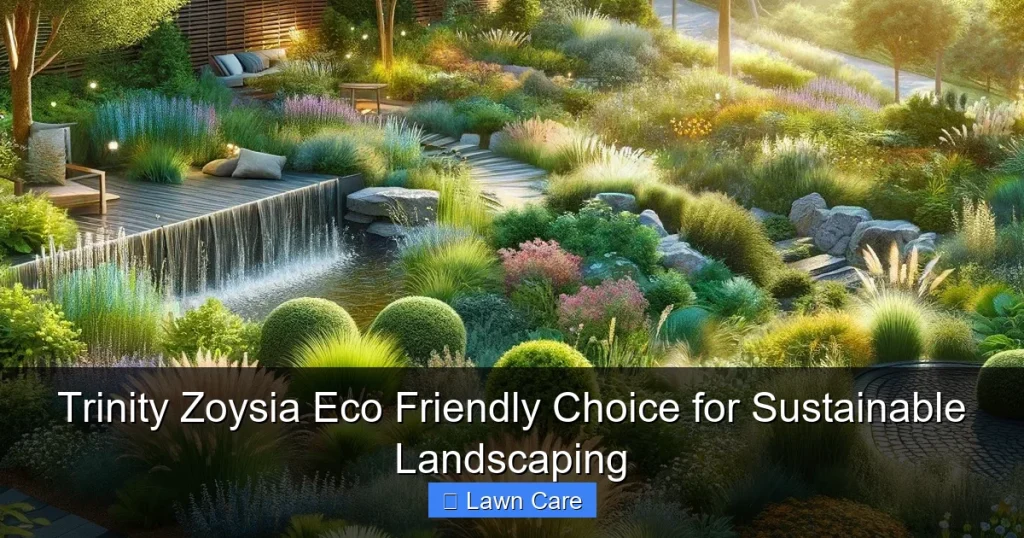
Trinity Zoysia is a standout choice for eco-conscious homeowners seeking sustainable landscaping solutions. Its remarkable drought tolerance, low maintenance needs, and dense growth make it a champion of water conservation and reduced chemical use. Embrace a beautiful, environmentally friendly lawn with Trinity Zoysia.
Are you dreaming of a beautiful, green lawn but also feel a strong pull towards environmental responsibility? It’s a common desire these days – we want our homes to look great, but we also want to be good stewards of the planet. If you’ve been exploring options for a new lawn or a lawn renovation, you’ve likely come across many types of grass. Today, we’re going to dive deep into one that’s making serious waves in the world of sustainable landscaping: Trinity Zoysia.
Trinity Zoysia isn’t just another grass; it’s a carefully bred turfgrass designed to offer the best of both worlds – a stunning appearance and an eco-friendly profile. In a time when water conservation is paramount and we’re all striving to reduce our environmental footprint, understanding the benefits of a grass like Trinity Zoysia is more important than ever. It’s about making smart choices that benefit your wallet, your time, and most importantly, our planet.
- Exceptional Drought Tolerance: Trinity Zoysia requires significantly less water once established, making it ideal for arid regions and reducing your water bill.
- Low Maintenance Champion: It needs less frequent mowing and fertilization compared to many other turfgrasses, saving you time and resources.
- Dense, Weed-Resistant Growth: Its thick sod chokes out weeds naturally, minimizing the need for chemical herbicides.
- Reduced Fertilizer Needs: Trinity Zoysia is efficient in nutrient uptake, meaning fewer applications of fertilizer are required, lessening environmental impact.
- Adaptable to Various Conditions: It thrives in a range of soil types and sunlight exposures, making it a versatile option for many landscapes.
- Environmentally Friendly Choice: By conserving water and reducing chemical reliance, Trinity Zoysia actively contributes to a healthier ecosystem.
- Aesthetically Pleasing: It offers a lush, green appearance that enhances curb appeal without compromising sustainability.
Quick Answers to Common Questions
What makes Trinity Zoysia an eco-friendly choice?
Trinity Zoysia is eco-friendly due to its exceptional drought tolerance, significantly reducing water consumption. It also requires less mowing, fertilization, and pesticide use compared to many other grass types, minimizing chemical runoff and resource depletion.
How much water does Trinity Zoysia need?
Once established, Trinity Zoysia has very low water requirements. It can withstand extended periods without watering and is highly resilient during droughts, making it ideal for water-conscious landscapes.
Does Trinity Zoysia require a lot of maintenance?
No, Trinity Zoysia is a low-maintenance grass. It needs to be mowed less frequently, requires minimal fertilization, and its dense growth naturally suppresses weeds, saving you time and effort.
Can Trinity Zoysia grow in shady areas?
While Trinity Zoysia thrives in full sun, it does possess better shade tolerance than many other Zoysia varieties. It can perform well in areas with partial shade, typically receiving at least four to six hours of sunlight daily.
Is Trinity Zoysia suitable for high-traffic areas?
Yes, Trinity Zoysia forms a very dense and durable sod that can withstand moderate to high foot traffic, making it a great choice for family yards and recreational areas.
📑 Table of Contents
- Why Choose Trinity Zoysia for Sustainable Landscaping?
- The Environmental Impact of Choosing Trinity Zoysia
- Trinity Zoysia vs. Other Grass Types: An Eco-Friendly Comparison
- Integrating Trinity Zoysia into Your Sustainable Landscape
- Is Trinity Zoysia Good for Pets and Kids?
- Conclusion: Your Eco-Friendly Lawn Awaits
Why Choose Trinity Zoysia for Sustainable Landscaping?
When we talk about sustainable landscaping, we’re thinking about practices and choices that minimize negative environmental impact and conserve natural resources. This includes reducing water usage, cutting down on the need for chemical fertilizers and pesticides, and choosing plants that are resilient and require less intensive care. Trinity Zoysia checks all these boxes and then some. It’s a grass that’s been developed with these very principles in mind, making it a top-tier eco-friendly choice.
Unrivaled Drought Tolerance: A Thirst-Quenching Advantage
One of the most significant environmental challenges facing homeowners today is water scarcity. Traditional lawns can be incredibly thirsty, requiring constant irrigation, especially during hot, dry spells. This puts a strain on local water resources and can lead to hefty water bills. Trinity Zoysia, however, is a superhero when it comes to drought tolerance.
Its deep root system allows it to access moisture far below the surface, meaning it can go for extended periods without rainfall or supplemental watering once it’s established. This inherent ability means you’ll be watering your lawn far less frequently, conserving precious water and saving money. For those living in regions prone to drought, this characteristic alone makes Trinity Zoysia an exceptional choice. It’s a grass that thrives on less, making it a truly sustainable option.
For anyone wondering is Zoysia grass a good choice for hot dry climates, the answer is a resounding yes, and Trinity Zoysia exemplifies this. Its resilience in arid conditions is a testament to its breeding and a significant win for eco-conscious landscaping.
Low Maintenance: Less Work, More Life
Sustainable living often goes hand-in-hand with low-maintenance solutions. We want beautiful spaces that don’t demand an excessive amount of our time, energy, or resources. Trinity Zoysia fits this bill perfectly. Its slower growth rate and dense habit mean you’ll spend less time mowing, fertilizing, and battling weeds.
Reduced Mowing Frequency
Because Trinity Zoysia grows slower than many common turf types, it requires less frequent mowing. This not only saves you time but also reduces fuel consumption if you use a gas-powered mower, further contributing to its eco-friendly credentials. Think about it – fewer trips to the store for gas, less air pollution, and more free time on your weekends!
Minimal Fertilization Needs
Trinity Zoysia is remarkably efficient in its nutrient uptake. This means it doesn’t require the heavy, frequent fertilization that many other grasses demand to stay healthy and green. Over-fertilization can lead to nutrient runoff, which can pollute waterways. By needing less fertilizer, Trinity Zoysia helps prevent this environmental issue. When you do choose to fertilize, opting for organic fertilizers for zoysia lawns is an even more sustainable approach.
Natural Weed Suppression: A Greener Approach to Weed Control
Weeds can be a persistent nuisance in any lawn, and many homeowners resort to chemical herbicides to keep them at bay. These chemicals can be harmful to the environment, beneficial insects, pets, and even human health. Trinity Zoysia offers a natural solution to this problem.
Its growth habit is incredibly dense. As it matures, it forms a thick, tight sod that literally crowds out weeds. There’s very little room for weed seeds to germinate and establish themselves. This natural competition means you can significantly reduce or even eliminate the need for chemical weed control. Embracing eco-friendly practices for weed control becomes much easier with a grass that helps you achieve this naturally.
Adaptability and Resilience: A Tough, Beautiful Grass
A key aspect of sustainable landscaping is choosing plants that are well-suited to your local environment and require minimal intervention. Trinity Zoysia is known for its adaptability and resilience, making it a reliable choice for many different conditions.
Soil and Sunlight Versatility
Trinity Zoysia can tolerate a range of soil types, from sandy to clay. While it performs best in well-draining soil, it’s not overly picky. It also has a good tolerance for both full sun and partial shade, though it thrives with at least six hours of direct sunlight daily. This versatility means it can be a successful option in a variety of landscapes. Understanding what type of soil is best for growing Zoysia grass will help you maximize its potential.
Disease and Pest Resistance
While no grass is completely immune, Trinity Zoysia generally exhibits good resistance to common lawn diseases and pests. This means fewer chemical treatments will be needed to keep your lawn healthy and looking its best. Its inherent toughness contributes to its overall eco-friendly nature.
The Environmental Impact of Choosing Trinity Zoysia
When you opt for Trinity Zoysia, you’re not just choosing a beautiful lawn; you’re making a conscious decision to support a more sustainable environment. The benefits ripple outwards, impacting water conservation efforts, reducing pollution, and promoting healthier ecosystems.
Water Conservation: A Critical Resource Saver
As we’ve discussed, the reduced water requirement of Trinity Zoysia is its most significant environmental contribution. In regions facing water restrictions or simply aiming to be more responsible, this is a game-changer. Imagine the collective impact if more homeowners switched to drought-tolerant grasses like Trinity Zoysia. It would significantly alleviate the demand on municipal water supplies. Implementing eco-friendly lawn care practices for sustainable landscaping often starts with the choice of turfgrass, and Trinity Zoysia leads the way.
Reduced Chemical Footprint: Healthier for All
The reduced need for fertilizers and pesticides means less of these chemicals enter our environment. This is crucial for protecting pollinators, beneficial insects, aquatic life, and ensuring cleaner groundwater. A lawn that relies less on synthetic inputs is a healthier ecosystem in itself. This aligns perfectly with the broader goals of steps eco friendly lawn care.
Carbon Sequestration: A Greener Breath
Like all healthy turfgrasses, Trinity Zoysia plays a role in sequestering carbon dioxide from the atmosphere. Its dense root system and leafy blades absorb CO2 and release oxygen. A well-maintained, healthy lawn contributes positively to air quality.
Trinity Zoysia vs. Other Grass Types: An Eco-Friendly Comparison
To truly appreciate Trinity Zoysia’s eco-friendly advantages, it’s helpful to compare it to other common lawn grasses.
vs. Cool-Season Grasses (Fescue, Ryegrass, Kentucky Bluegrass)
Cool-season grasses typically require more water, more frequent fertilization, and more mowing to maintain their appearance, especially during the hot summer months. They are also more susceptible to heat stress and disease, often necessitating chemical interventions. Trinity Zoysia, as a warm-season grass, excels in hot weather, has lower water needs, and generally requires less intensive care.
Visual guide about Trinity Zoysia Eco Friendly Choice for Sustainable Landscaping
Image source: interiorgod.com
vs. Other Zoysia Varieties
While many Zoysia varieties are known for their drought tolerance and low maintenance, Trinity Zoysia often stands out due to its finer texture, faster establishment rate (compared to some older Zoysias), and excellent shade tolerance for a Zoysia. It offers a refined aesthetic without sacrificing its eco-friendly attributes. Exploring the pros and cons of choosing Zoysia grass can provide further context, but Trinity often tips the scales in favor of sustainability.
Integrating Trinity Zoysia into Your Sustainable Landscape
Choosing Trinity Zoysia is the first step, but how you integrate it and care for it can further enhance its sustainability.
Proper Installation
Whether you’re planting sod or plugs, ensuring proper installation is key to establishing a healthy, resilient lawn quickly. This means preparing the soil correctly and ensuring adequate moisture during the establishment phase. Using the right tools for site preparation can make a big difference in getting your lawn off to the right start.
Watering Wisely
Even though Trinity Zoysia is drought-tolerant, it still needs water, especially when it’s young or during prolonged, extreme heat. The key is to water deeply and infrequently. This encourages the roots to grow deeper, making the grass even more drought-resistant. Learning the best practices for watering Zoysia grass in summer will help you use water efficiently.
Mowing Practices
When it’s time to mow, a sharp mower blade is essential for a clean cut, which helps the grass heal quickly. Cutting at the higher end of the recommended height range for Zoysia will promote deeper root growth and provide more shade for the soil, reducing evaporation. Following best practices for how to mow Zoysia grass for healthier growth is an important part of its sustainable care.
Fertilizing Mindfully
As mentioned, Trinity Zoysia needs less fertilizer. If you do fertilize, choose slow-release or organic options. Timing is also important; fertilizing at the right times of year, typically late spring or early summer, ensures the grass utilizes the nutrients effectively. Consult guides on when and how to fertilize Zoysia grass for best results.
Dealing with Lawn Waste
Sustainable landscaping also considers how we manage lawn clippings and other organic matter. Instead of bagging and sending them to the landfill, consider mulching them back into the lawn. This returns valuable nutrients to the soil. For larger amounts of debris, explore best eco-friendly methods to handle lawn waste and best eco-friendly ways to handle fallen leaves.
Is Trinity Zoysia Good for Pets and Kids?
Absolutely! One of the great things about Trinity Zoysia is that it’s generally very safe and comfortable for family use. Its dense, soft texture makes it a pleasure to walk, play, and relax on. Because it requires fewer chemicals, it’s a healthier environment for children and pets to enjoy. If you’re considering dog-friendly backyard landscaping ideas, a healthy Trinity Zoysia lawn is a fantastic addition. It’s also a great choice for families looking for landscaping ideas for cat lovers, offering a soft and safe outdoor space.
Conclusion: Your Eco-Friendly Lawn Awaits
In the pursuit of beautiful, functional, and environmentally conscious outdoor spaces, Trinity Zoysia emerges as a clear winner. Its remarkable drought tolerance, low maintenance requirements, and natural ability to suppress weeds make it a cornerstone of sustainable landscaping. By choosing Trinity Zoysia, you’re not just investing in a visually appealing lawn; you’re investing in water conservation, reduced chemical usage, and a healthier planet for future generations.
Embracing Trinity Zoysia is a proactive step towards a greener lifestyle. It proves that you don’t have to sacrifice aesthetics for sustainability. With Trinity Zoysia, you can achieve that lush, inviting lawn you’ve always wanted, all while making an environmentally responsible choice. So, as you plan your next landscaping project, consider the power of Trinity Zoysia – a true eco-friendly choice for a brighter, greener future.
Frequently Asked Questions
Is Trinity Zoysia a good option for homeowners looking to save money on their water bills?
Absolutely. Trinity Zoysia’s superior drought tolerance means it requires significantly less irrigation once established. This directly translates to lower water bills, making it a cost-effective and environmentally sound choice for homeowners.
How quickly does Trinity Zoysia establish itself?
Trinity Zoysia is known for its relatively fast establishment rate compared to some other Zoysia varieties, especially when planted as sod. This means you can enjoy a beautiful, mature lawn sooner, minimizing the time it takes to benefit from its sustainable properties.
What type of soil is best for Trinity Zoysia?
Trinity Zoysia is adaptable to a variety of soil types, including sandy and clay soils, as long as they are well-draining. Proper soil preparation before planting will help ensure optimal growth and resilience.
Does Trinity Zoysia go dormant in the winter?
Yes, as a warm-season grass, Trinity Zoysia will go dormant and turn brown during the colder winter months. However, it will green up beautifully again in the spring as temperatures rise.
Are there any drawbacks to choosing Trinity Zoysia for a sustainable lawn?
While Trinity Zoysia offers many eco-friendly benefits, it is a warm-season grass and will not stay green year-round in cooler climates. Its establishment can also take some time if planting from seed, though sod offers a quicker solution.
How does Trinity Zoysia compare to St. Augustine grass in terms of sustainability?
Trinity Zoysia generally offers better drought tolerance and requires less frequent mowing and fertilization than St. Augustine grass. While both are warm-season grasses, Trinity Zoysia often has a lower overall maintenance and water requirement, making it a more sustainable option in many scenarios.