
Choosing the right lawn mower for uneven ground can make all the difference in maintaining a healthy, well-trimmed lawn. Key features like adjustable cutting decks, all-wheel drive, and sturdy construction ensure smooth operation on slopes and rough terrain. Whether you have rolling hills or rocky patches, the right mower will save you time and prevent damage to your grass.
Mowing a lawn with uneven ground used to be a frustrating task. Slopes, dips, rocks, and roots made it hard to get a clean cut—and sometimes dangerous. But thanks to advances in mower design, today’s models come equipped with features specifically built to handle rough terrain. Whether your yard has gentle rolling hills or steep inclines, knowing what to look for in a mower can save you time, protect your grass, and keep you safe.
In this guide, we’ll walk you through the top features to look for in mowers for uneven ground. From adjustable decks to all-wheel drive, we’ll cover everything you need to know to choose a mower that glides over bumps instead of struggling through them. Plus, we’ll share practical tips and real-world examples to help you make the best decision for your yard.
Key Takeaways
- Adjustable cutting height: Allows you to adapt to ground changes and avoid scalping.
- All-wheel drive (AWD): Provides better traction on slopes and uneven surfaces.
- Heavy-duty construction: Ensures durability and stability on rough terrain.
- Swivel front wheels: Improve maneuverability around obstacles and tight turns.
- Low center of gravity: Prevents tipping and improves safety on hills.
- Mulching or bagging options: Help manage clippings on sloped areas more effectively.
- Ergonomic handles: Reduce strain during long mowing sessions on tough terrain.
Quick Answers to Common Questions
What is the best mower for steep slopes?
Look for mowers with all-wheel drive, a low center of gravity, and adjustable cutting height. These features provide stability and traction on steep terrain.
Can I use a regular push mower on uneven ground?
It’s possible, but not ideal. Standard mowers lack the features needed for safe and effective mowing on slopes or rough terrain.
How do I avoid scalping on hills?
Use a mower with an adjustable cutting deck and lower the height slightly on uphill sections to prevent the mower from dragging and scalping the grass.
Are electric mowers good for uneven ground?
Yes, especially battery-powered models with AWD and sturdy construction. Just ensure they have enough power to handle the terrain.
What’s the difference between mulching and bagging on sloped lawns?
Mulching cuts clippings into fine pieces that decompose naturally, while bagging collects clippings for disposal. Mulching is often better for uneven ground.
📑 Table of Contents
- Why Uneven Ground Requires Special Mower Features
- Adjustable Cutting Height: The Foundation of a Clean Cut
- All-Wheel Drive: Traction You Can Count On
- Heavy-Duty Construction for Stability
- Swivel Front Wheels for Tight Turns and Obstacles
- Low Center of Gravity: Safety First
- Mulching and Bagging Options for Sloped Areas
- Ergonomic Design for Comfort
- Final Thoughts: Choosing the Right Mower for Your Needs
Why Uneven Ground Requires Special Mower Features
Not all lawns are flat. In fact, many homes—especially in rural or hilly areas—have yards with slopes, mounds, or rocky patches. Mowing these areas with a standard mower can lead to scalping, missed spots, and even injury. A scalped lawn happens when the mower cuts too low on a high spot, tearing the grass instead of cutting it cleanly.
Traditional mowers with fixed decks and narrow wheels struggle on uneven ground. They can tip over on steep slopes, get stuck in dips, or skip over bumps. That’s why specialized features are essential. A mower designed for uneven terrain will adjust to the ground’s contours, maintain balance, and deliver a consistent cut—no matter the elevation.
Adjustable Cutting Height: The Foundation of a Clean Cut
Visual guide about Top Features to Look for in Mowers for Uneven Ground
Image source: images-na.ssl-images-amazon.com
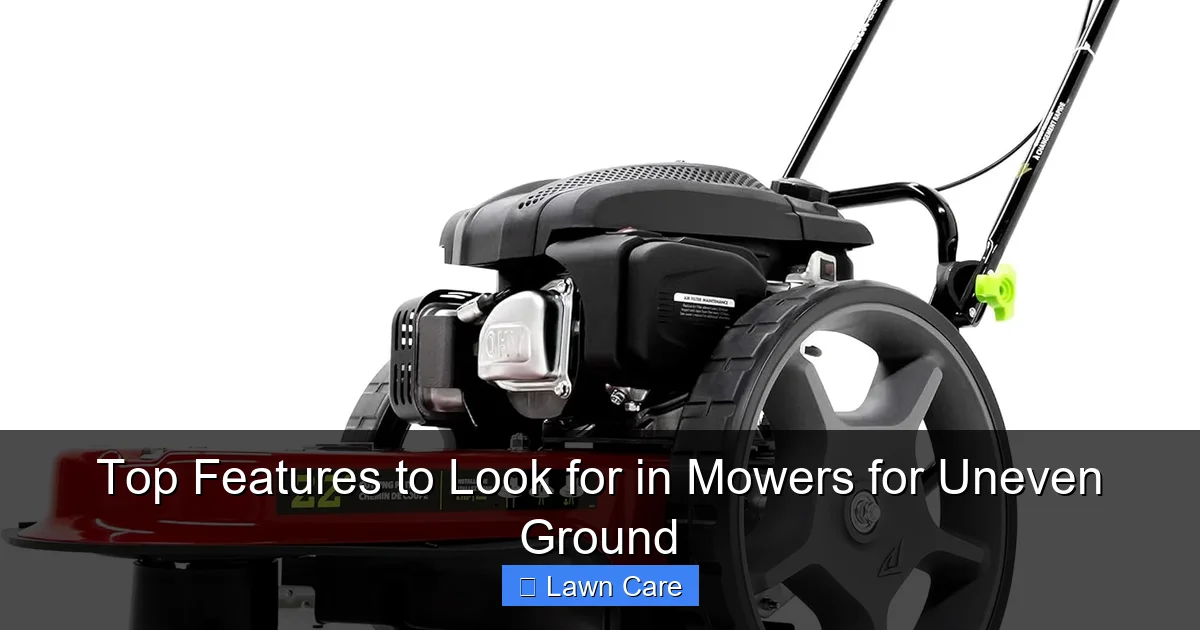
One of the most important features for mowing uneven ground is an adjustable cutting height. This allows the mower to adapt to changes in elevation, ensuring the grass is cut evenly without tearing or scalping.
Look for mowers with multiple height settings—ideally, at least six levels. This gives you fine control over how short or tall your grass stays. On a slope, you might lower the deck slightly on the uphill side to avoid scalping, then raise it on the downhill side to prevent the mower from dragging.
For example, if you’re mowing a hill with a sudden dip, an adjustable deck lets you compensate in real time. Some mowers even have individual wheel height adjustment, which is especially helpful on very uneven terrain. This feature ensures all four wheels stay in contact with the ground, maintaining stability and a consistent cut.
All-Wheel Drive: Traction You Can Count On
Visual guide about Top Features to Look for in Mowers for Uneven Ground
Image source: m.media-amazon.com
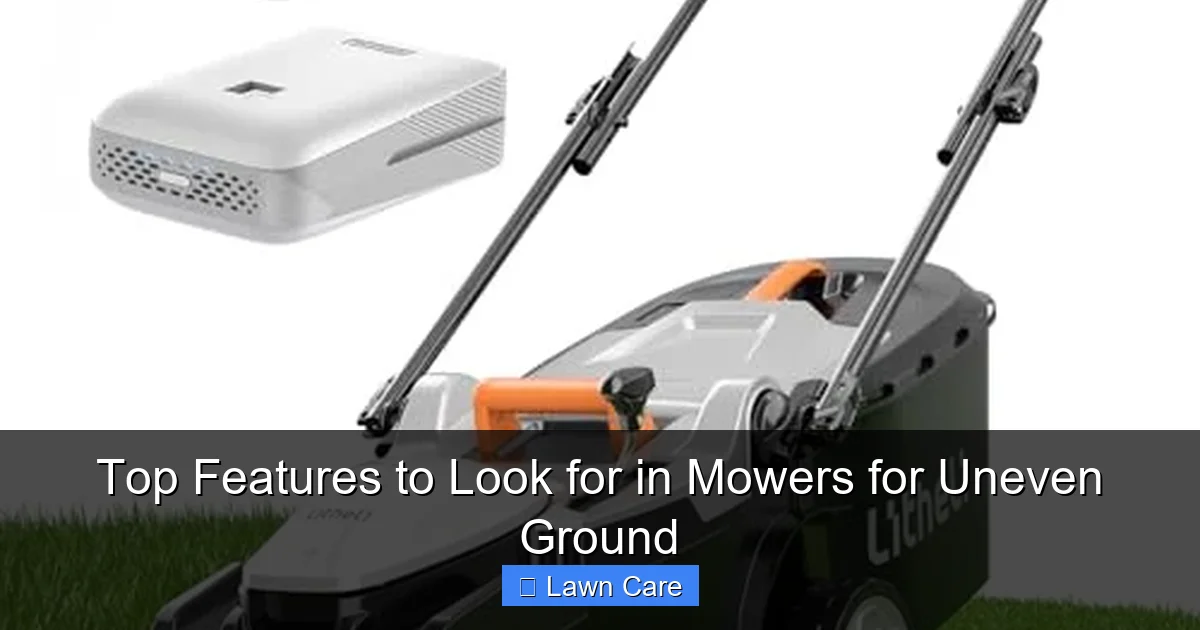
When it comes to mowing on slopes, all-wheel drive (AWD) is a game-changer. Unlike rear-wheel drive mowers, which can lose traction on steep or slippery ground, AWD distributes power to all four wheels. This improves grip and prevents the mower from slipping backward or tipping forward.
AWD is particularly useful on hilly lawns with wet soil or loose gravel. It helps the mower maintain momentum and control, even when the ground is challenging. Gas-powered AWD mowers are especially common in commercial models, but many residential models now offer this feature.
If you have a yard with slopes over 15%, AWD should be at the top of your list. It’s one of the most reliable ways to ensure safe and efficient mowing on uneven ground.
Heavy-Duty Construction for Stability
Visual guide about Top Features to Look for in Mowers for Uneven Ground
Image source: gardentooly.com
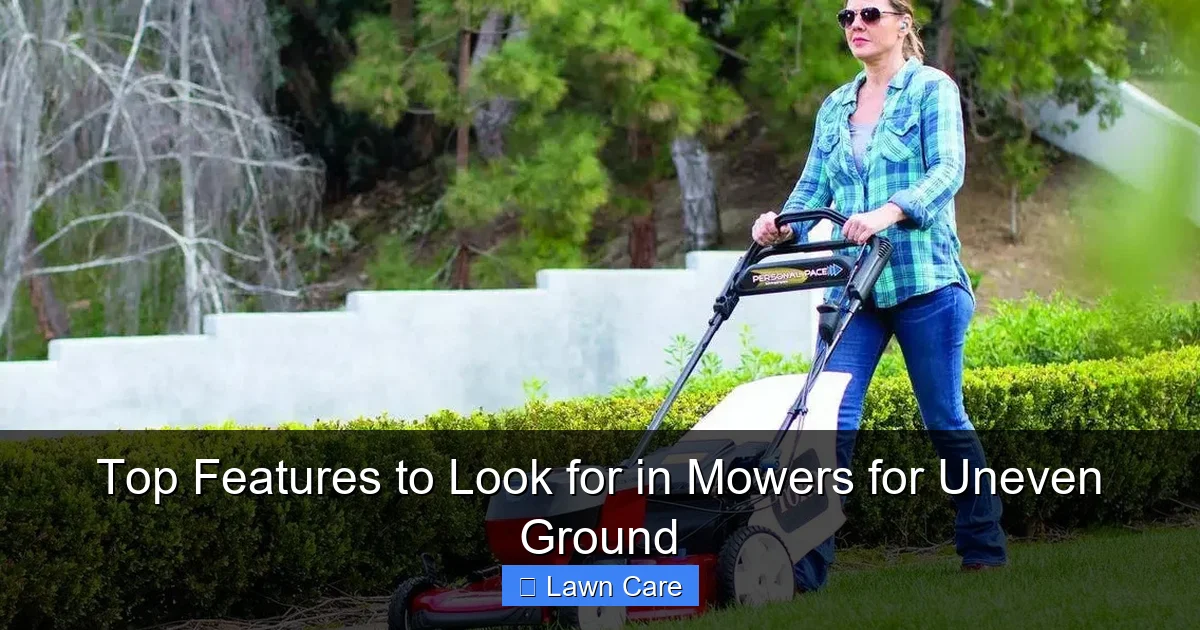
Uneven ground puts extra stress on a mower. Rocks, roots, and sudden drops can jolt the machine and strain its frame. That’s why heavy-duty construction is essential for durability and stability.
Look for mowers made with reinforced steel or aluminum frames. These materials resist bending and cracking, even when the mower is pushed over rough patches. A sturdy build also means better balance, reducing the risk of tipping on steep inclines.
Additionally, consider the weight of the mower. While lighter models are easier to maneuver, they can feel unstable on hills. A well-balanced, moderately heavy mower will stay grounded and perform consistently. Brands like Honda, Toro, and Husqvarna are known for building rugged mowers that handle tough terrain with ease.
Swivel Front Wheels for Tight Turns and Obstacles
Navigating around trees, flower beds, and garden features on uneven ground can be tricky. Swivel front wheels make this much easier by allowing the front axle to rotate freely. This improves maneuverability and lets you pivot the mower in tight spaces.
Swivel wheels are especially helpful on sloped lawns where you need to make quick turns without losing balance. They also reduce strain on your arms and back, as you don’t have to force the mower in awkward directions.
For homeowners with yards full of obstacles, swivel front wheels are a must-have. They turn a frustrating task into a smooth, controlled process.
Low Center of Gravity: Safety First
Safety is paramount when mowing on uneven ground. A mower with a low center of gravity is less likely to tip over, especially on steep slopes. This design keeps the machine stable and gives you better control.
Look for mowers with a wide wheelbase and a compact frame. These features lower the center of mass, improving balance and reducing rollover risk. Some models even include anti-tip bars or extended handles for added stability.
If your lawn has slopes over 20%, prioritize safety features like a low center of gravity. It’s a small design detail that can make a big difference in preventing accidents.
Mulching and Bagging Options for Sloped Areas
On uneven ground, grass clippings can roll down slopes or pile up in low spots. Mulching and bagging options help manage clippings more effectively, especially on sloped lawns.
Mulching cuts grass into fine pieces that decompose quickly and return nutrients to the soil. This is ideal for uneven terrain where clippings might otherwise wash away. Some mowers even have clog-resistant mulching decks, which prevent clumping and maintain airflow.
Bagging is another option, especially if you’re dealing with heavy grass growth or wet conditions. A bagging system keeps clippings contained and makes cleanup easier. Look for mowers with easy-to-empty bags and secure attachments.
Choosing between mulching and bagging depends on your lawn’s needs. For uneven ground, mulching is often the better choice—it’s cleaner and more sustainable.
Ergonomic Design for Comfort
Mowing uneven ground can be physically demanding. Slopes and rough terrain require extra effort to push and steer. Ergonomic handles and a comfortable design reduce fatigue and make mowing more enjoyable.
Look for adjustable handles that fit your height, padded grips, and vibration-dampening features. Some mowers even include suspension systems that absorb shocks from bumps and rocks. This is especially helpful for longer mowing sessions on challenging terrain.
Comfortable mowing means you’ll use your mower more often and maintain your lawn better. It’s an investment in both your health and your yard’s appearance.
Final Thoughts: Choosing the Right Mower for Your Needs
Mowing uneven ground doesn’t have to be a headache. With the right features, your mower can handle slopes, rocks, and dips with ease. Focus on adjustable cutting height, all-wheel drive, and heavy-duty construction to ensure a safe and effective mowing experience.
Remember, the best mower for uneven ground is one that matches your yard’s specific challenges. Take time to assess your terrain, consider your mowing frequency, and choose a model that offers the features you need.
And don’t forget to maintain your mower regularly. Clean the deck, sharpen the blades, and check the wheels—this keeps your mower performing at its best, even on rough terrain.
With the right tools and knowledge, you can keep your lawn looking lush and well-trimmed, no matter how uneven the ground may be.
Frequently Asked Questions
What type of mower is best for hilly lawns?
For hilly lawns, choose a mower with all-wheel drive, a low center of gravity, and an adjustable cutting deck. These features improve stability and traction.
Can I mow on wet, uneven ground?
It’s not recommended. Wet soil makes slopes more slippery and increases the risk of tipping or sinking. Wait for drier conditions if possible.
How often should I check my mower’s wheels on uneven terrain?
Inspect the wheels and deck before each use, especially after heavy rain or mowing over rocks. Loose or misaligned wheels can affect performance.
Do I need a riding mower for uneven ground?
Not necessarily. Many push mowers have features that handle uneven terrain well. A riding mower may be better for very large or steep yards.
What should I do if my mower tips on a slope?
Turn it off immediately and move to level ground. Never try to push or force a tipped mower—it could cause injury or damage the machine.
How can I improve mowing on rocky terrain?
Choose a mower with a heavy-duty frame, swivel front wheels, and a high ground clearance. Avoid mowing over large rocks when possible.