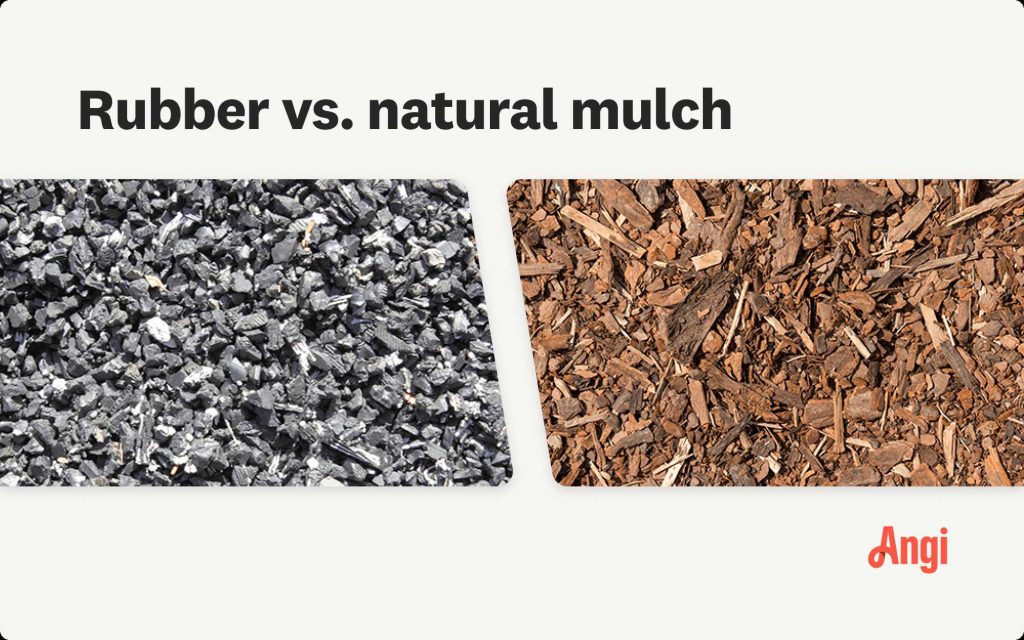
If you’re considering rubber mulch for your landscaping needs, you’re likely weighing the benefits and drawbacks. On one hand, rubber mulch offers excellent durability, exceptional drainage, and a vibrant aesthetic that can last for years without fading. It’s also a sustainable choice, as it’s often made from recycled tires. However, there are concerns, such as potential leaching of chemicals, cost compared to organic mulches, and the fact that it may not provide the same benefits to soil health. By understanding the pros and cons of rubber mulch, you can make a more informed decision that aligns with your gardening or landscaping goals. Let’s dive deeper into the advantages and disadvantages of this unique mulching option.

“`html
The Pros And Cons Of Rubber Mulch
Rubber mulch has gained popularity as an alternative to traditional wood mulch in gardens and playgrounds. As with any landscaping material, it comes with its own set of pros and cons. Let’s dive deeper into the benefits and drawbacks of using rubber mulch, making it easier for you to decide if it’s the right choice for your garden or outdoor space.
What Is Rubber Mulch?
Rubber mulch is made from recycled rubber materials, often sourced from old tires. This innovative product provides a colorful and durable ground cover. It is commonly used in playgrounds, landscaping, and gardens. It comes in various colors and can mimic natural mulch while offering unique benefits.
Benefits of Using Rubber Mulch
Durability
One of the key benefits of rubber mulch is its durability. Unlike wood mulch, rubber mulch does not decompose over time. This means you won’t need to replace it as often, saving both time and money in the long run. Additionally, rubber mulch can withstand heavy rainfall and strong winds, making it ideal for various climates.
Weed Control
Rubber mulch is excellent for weed control. Its dense texture prevents sunlight from reaching the soil, which helps deter weed growth. This means less time spent on weeding, allowing you to enjoy a well-maintained garden with minimal effort.
Shock Absorption
In playgrounds, safety is a top concern. Rubber mulch provides excellent shock absorption, reducing the risk of injury from falls. It is a popular choice for playgrounds because it ensures a safer play environment for children.
Color Variety
Another appealing aspect of rubber mulch is its color variety. Available in numerous colors, it can enhance the visual appeal of your garden or playground. You can choose shades that match your landscape design or create a playful atmosphere for children’s play areas.
Low Maintenance
Rubber mulch requires very little maintenance compared to other types of mulch. It does not need to be replenished often, and you won’t have to worry about decomposition or nutrient loss. This low-maintenance nature makes it a practical option for busy homeowners.
Environmentally Friendly
Using rubber mulch helps reduce waste by recycling old tires. Instead of sending tires to a landfill, they are transformed into a useful product. This eco-friendly aspect becomes attractive for those looking to make sustainable choices in landscaping.
Drawbacks of Using Rubber Mulch
Cost
One downside of rubber mulch is its initial cost. Rubber mulch tends to be more expensive than traditional wood mulch. However, considering its long lifespan, the cost difference may balance out over time, making it a worthwhile investment.
Heat Retention
Rubber mulch can absorb heat from the sun, which may cause soil temperatures to rise. This can be detrimental for plants sensitive to high temperatures. If you live in a hot climate, it’s crucial to keep an eye on how rubber mulch affects the microclimate of your garden.
Limited Nutritional Benefits
Unlike organic mulches, rubber mulch does not provide any nutrients to the soil as it breaks down. This can be a concern for gardeners who rely on mulches to enhance soil health. You may need to supplement with additional fertilizers to keep your plants thriving.
Potential for Chemical Leaching
There are concerns about rubber mulch leaching chemicals into the soil. While many rubber mulch products are treated and safe, it’s essential to choose options that are specifically designed for landscaping. Always research your mulch sources to ensure you are making a safe choice for your garden.
Visual Appeal
While rubber mulch comes in various colors, some gardeners feel that it lacks the natural look of wood mulch. It may not blend seamlessly into all landscapes. If you prefer a more traditional aesthetic, this could be a significant factor in your decision.
Insect Behavior
Rubber mulch can attract certain insects. Unlike organic mulches, which can help deter pests, rubber mulch may not provide the same benefits. If your garden requires pest control, consider how rubber mulch might affect insect behavior and adapt your strategies accordingly.
How to Apply Rubber Mulch
Preparation
Before applying rubber mulch, it’s essential to prepare the area properly. Start by clearing the space of any weeds, rocks, or debris. This ensures that the rubber mulch will lay evenly and provide optimal protection for your garden.
Installing a Barrier
Consider installing a weed barrier fabric over the soil before adding rubber mulch. This will provide an added layer of weed prevention and help keep the mulch in place, ensuring long-lasting results. Make sure to secure the fabric with landscape staples for the best stability.
Applying the Mulch
When applying rubber mulch, aim for a depth of about 2-4 inches. This thickness will help with weed control and provide adequate cushioning in play areas. Always spread it evenly for the best results, creating a clean and polished look.
Regular Maintenance
Although rubber mulch requires minimal maintenance, it’s important to check it periodically. Look for any areas that may have shifted due to weather or foot traffic. You can add more mulch as needed to maintain an even layer and prevent bare spots.
Rubber mulch is an innovative landscaping option that offers a variety of benefits. Its durability, weed control, and low maintenance make it attractive for busy homeowners. On the flip side, factors like initial cost and potential heat retention may give some pause.
Understanding the pros and cons will help you determine if rubber mulch fits your outdoor space. Whether you’re revamping your garden or building a playground, knowing all aspects will empower you to make informed decisions. Always weigh your options and consider what works best for your specific needs. With the right approach, rubber mulch could be an excellent choice for your landscaping project.
“`
Wood Mulch vs Rubber Mulch: 2 Big Lies They tell You!
Frequently Asked Questions
“`html
What are the environmental impacts of using rubber mulch?
Rubber mulch is made from recycled tires, which helps divert waste from landfills. However, there are concerns about potential leaching of chemicals from the rubber into the soil and surrounding areas. It’s important to research the specific product and manufacturer to ensure it meets safety standards.
How does rubber mulch compare to organic mulches in terms of maintenance?
Rubber mulch requires less maintenance compared to organic mulches. It doesn’t decompose, which means you won’t need to replenish it regularly. However, it may not provide the same level of nutrients to the soil as organic options do over time.
Is rubber mulch safe for children and pets?
Many rubber mulches are designed to be safe for children and pets; however, it’s crucial to choose products that are certified and free from harmful chemicals. Look for brands that provide safety certifications to ensure peace of mind when using it in play areas.
Can rubber mulch help with weed control?
Yes, rubber mulch effectively suppresses weed growth due to its dense layer that blocks sunlight. This can reduce the need for herbicides and manual weeding, making it a convenient option for landscaping and garden beds.
What should I consider when deciding between rubber mulch and traditional mulch?
Consider factors such as aesthetics, cost, longevity, and environmental impact. Rubber mulch lasts longer and requires less upkeep, while traditional mulch offers organic benefits and enhances soil health. Evaluate your specific needs and preferences before making a choice.
“`
Final Thoughts
Rubber mulch offers distinct advantages, such as excellent drainage, durability, and reduced weed growth while providing a colorful aesthetic for landscaping. However, it also has drawbacks, including potential environmental concerns and higher initial costs compared to organic mulches. When considering ‘The Pros And Cons Of Rubber Mulch’, weigh its longevity and maintenance benefits against its ecological impact and expense. Ultimately, the choice hinges on individual needs and priorities in gardening or landscaping projects.