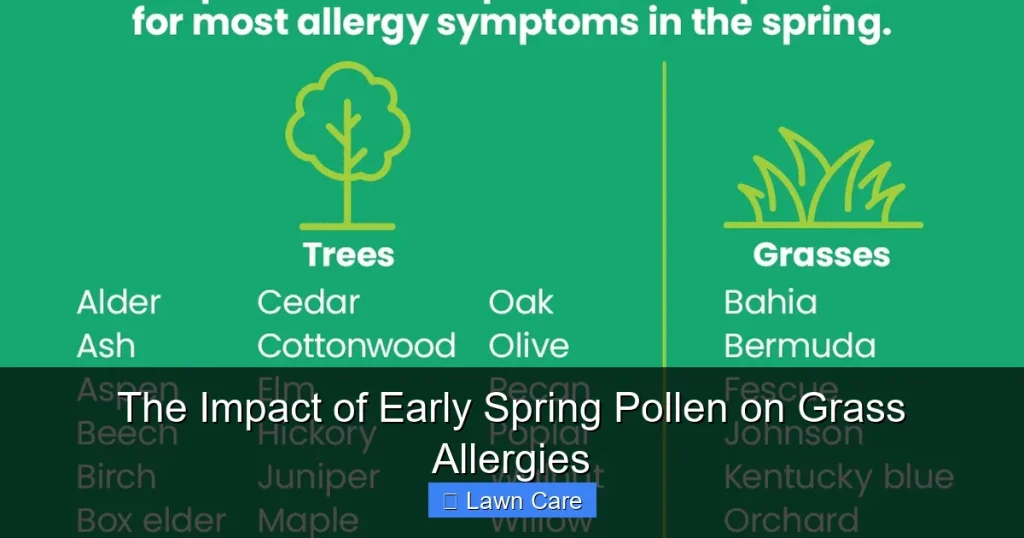
Early spring pollen is a major trigger for grass allergies, often appearing sooner than expected due to warmer weather. This phenomenon can lead to discomfort and health issues for many. Understanding the causes and implementing effective management strategies is crucial for enjoying the outdoors during this period.
Ah, spring! The season of rebirth, blooming flowers, and longer days. It’s also the season that sends millions of people reaching for tissues and antihistamines. While many associate spring allergies with tree pollen, the often-overlooked culprit that arrives with the first signs of green is grass pollen. And increasingly, this pollen seems to be making an early appearance, impacting our ability to enjoy the burgeoning beauty around us.
The impact of early spring pollen on grass allergies is becoming more pronounced. What was once a phenomenon primarily of late spring and early summer now often begins in March or even February in some regions. This premature surge in allergenic particles means that for those sensitive to grass, the sniffles, sneezes, and itchy eyes start much sooner, disrupting their routine and enjoyment of outdoor activities. Understanding why this is happening and what we can do about it is key to navigating this increasingly challenging allergy season.
## The Science Behind Early Spring Pollen
Why does grass pollen suddenly decide to show up before we’re ready? It’s a complex interplay of environmental factors, primarily driven by temperature. Grasses, like other plants, have biological clocks and triggers that tell them when it’s time to reproduce. Pollen is essentially the male gamete of the grass plant, released to fertilize other grass plants. This process is highly dependent on environmental cues.
### Temperature as the Prime Trigger
The most significant factor influencing the timing of pollen release is temperature. Grasses are cool-season or warm-season plants, and their growth and reproductive cycles are finely tuned to specific temperature ranges. When winter temperatures are mild and spring arrives early, it sends signals to the grass plants that it’s time to get to work. Even a few consecutive warmer days can be enough to initiate the pollen production process. This is why a warm February or March can lead to an earlier-than-usual pollen season.
### Daylight Hours and Rainfall
While temperature is the primary driver, other factors also play a role. Changes in daylight hours (photoperiod) can influence plant development. Additionally, adequate rainfall, especially after a dry spell, can stimulate grass growth and, consequently, pollen production. A good wet spell in early spring can really get things going.
### Grass Species and Their Pollen Cycles
Different types of grasses have different pollen seasons. For instance, some early-blooming grasses might start releasing pollen in March, while others continue well into the summer. Understanding the common grass species in your region and their typical pollen cycles can help you anticipate when your allergies might flare up. Common culprits for early spring pollen allergies include species like Kentucky Bluegrass, Perennial Ryegrass, and Orchardgrass.
## The Impact on Allergy Sufferers
For individuals with grass allergies, early spring pollen isn’t just an inconvenience; it’s a significant health issue. The symptoms can range from mild discomfort to severe reactions that impact daily life. The early arrival of pollen means a longer potential allergy season, which can be exhausting and debilitating.
### Common Symptoms of Grass Allergies
The classic allergy symptoms are the first sign. These include:
- Sneezing: Often in rapid succession.
- Runny or Stuffy Nose: Caused by inflammation of the nasal passages.
- Itchy, Watery Eyes: Redness and irritation are common.
- Itchy Throat and Ears: A persistent tickle can be very annoying.
- Coughing: Especially a dry, ticklish cough.
- Fatigue: The constant battle with allergens can be tiring.
In more severe cases, grass allergies can trigger asthma symptoms, leading to wheezing, shortness of breath, and chest tightness. It’s important to consult a doctor if you experience these more serious respiratory issues.
### The “Double Whammy” of Early Pollen
The problem with early spring pollen is that it often overlaps with the tail end of tree pollen season in some regions. This means allergy sufferers can experience a continuous onslaught of allergens, making it difficult to find relief. It’s like being caught in a pollen sandwich! This prolonged exposure can exacerbate symptoms and lead to greater frustration.
### Economic and Social Consequences
Beyond the personal discomfort, early spring pollen has broader impacts. It can affect productivity at work and school due to missed days or reduced concentration. Outdoor recreational activities might be curtailed, impacting mental well-being and physical activity. For businesses reliant on outdoor events or tourism, an extended allergy season can also have economic repercussions.
## Managing Early Spring Grass Allergies
While you can’t control the weather or the plants, you can take proactive steps to manage your grass allergies and make the early spring season more bearable. This often involves a multi-pronged approach, combining medical treatments with environmental controls and lifestyle adjustments.
### Medical Interventions
The first line of defense for many is medication. Over-the-counter and prescription options can significantly reduce symptoms.
- Antihistamines: These block the histamine your body releases when exposed to allergens. They come in oral and nasal spray forms.
- Nasal Corticosteroid Sprays: These are highly effective at reducing inflammation in the nasal passages and are often recommended as a primary treatment.
- Decongestants: These can help relieve nasal stuffiness.
- Eye Drops: Antihistamine or mast cell stabilizer eye drops can soothe itchy, watery eyes.
- Allergy Shots (Immunotherapy): For severe or persistent allergies, immunotherapy can retrain your immune system to tolerate allergens, offering long-term relief. This is a more involved process but can be very effective.
It’s always best to consult with an allergist or your doctor to determine the most appropriate treatment plan for your specific needs.
### Environmental Controls and Avoidance Strategies
Reducing your exposure to grass pollen is crucial. This involves making smart choices about your environment.
- Stay Indoors During Peak Pollen Times: Pollen counts are usually highest in the morning, especially on warm, dry, and breezy days. Check local pollen forecasts and plan outdoor activities accordingly.
- Keep Windows and Doors Closed: This applies to your home, car, and office. Use air conditioning instead, and ensure your AC filters are clean.
- Shower and Change Clothes After Being Outdoors: This removes pollen that may have settled on your skin and clothing, preventing it from being tracked inside.
- Wash Bedding Frequently: Pollen can accumulate on your bedding, leading to prolonged exposure overnight.
- Consider Air Purifiers: High-efficiency particulate air (HEPA) filters in air purifiers can effectively remove pollen and other allergens from indoor air.
- Avoid Drying Laundry Outdoors: Your clothes will act like pollen magnets if hung out to dry on a high pollen day.
### Lifestyle Adjustments
Simple changes in your daily routine can make a difference.
- Keep Your Lawn Maintained: While not a complete solution, regular mowing can help reduce pollen production. However, be aware that mowing can release existing pollen into the air. It’s often best to mow when pollen counts are low, perhaps after a rain shower. If you’re asking yourself how early is too early to mow the lawn, consider the pollen factor!
- Consider Alternative Landscaping: If you’re planning new landscaping or renovating your yard, look into plants that produce less allergenic pollen or opt for low-pollen ground covers. Some individuals even consider the pros and cons of artificial turf vs natural grass for their outdoor spaces, though this comes with its own set of considerations.
- Dietary Considerations: Some people find that certain foods can either help or exacerbate allergy symptoms. This is often linked to oral allergy syndrome, where the proteins in some raw fruits and vegetables are similar to pollen proteins.
## The Role of Lawn Care in Managing Pollen
While lawn care might seem like the source of the problem, it can actually be part of the solution. Responsible lawn maintenance can help mitigate the amount of pollen released into the air. It’s a delicate balance, as some practices can temporarily increase pollen counts.
### Mowing Practices
Regular mowing is essential for keeping grass at a manageable height. This prevents the grass from reaching its reproductive stage where it produces more pollen. However, the act of mowing itself can stir up and release existing pollen.
- Mow Regularly: Keep your grass cut to an appropriate height for its species. This encourages healthier growth and reduces the likelihood of excessive seed head formation.
- Mow During Low Pollen Times: As mentioned, mowing in the early morning is generally not recommended for allergy sufferers. Consider mowing in the late afternoon or evening when pollen counts tend to be lower, or immediately after a rain shower.
- Bagging Clippings: While mulching grass clippings offers many benefits for lawn health, such as the benefits of mulching grass clippings for lawn health, in the context of severe pollen allergies, bagging the clippings might be a temporary consideration to remove pollen-laden material from the yard.
### Watering and Fertilizing
Proper watering and fertilization contribute to a healthy lawn, which can be more resilient. However, timing is important.
- Watering: Watering your lawn in the early morning is generally the best practice for efficient water use and to avoid fungal diseases. It can also help settle pollen that has accumulated on grass blades. Check out our guide on what is the best time of day to water grass for more insights.
- Fertilizing: Using the right fertilizer at the right time can promote vigorous growth. For example, certain fertilizers are beneficial for specific grass types like Zoysia or St. Augustine in early spring. It’s wise to research 5 best early spring fertilizer for Zoysia grass or specific advice for other varieties to ensure healthy growth without inadvertently stimulating excessive pollen production.
### Weed Control
Weeds can also produce allergenic pollen or contribute to a generally pollen-rich environment. Keeping your lawn free of common weeds can help. However, be mindful of the timing of weed treatments, as some chemicals can also cause respiratory irritation.
## The Future of Early Spring Pollen and Allergies
As climate change continues to impact global weather patterns, we can expect the trend of earlier and potentially more intense pollen seasons to persist. Warmer winters and earlier springs are becoming more common, leading to an earlier start to allergy season for many.
### Climate Change’s Role
The science is clear: rising global temperatures are directly affecting plant life cycles. This means trees may bud earlier, and grasses may start producing pollen sooner. This isn’t just a local phenomenon; it’s being observed worldwide.
### Anticipating and Adapting
For allergy sufferers, this means adapting their strategies. It’s no longer enough to just prepare for late spring allergies. Keeping an eye on weather patterns and local pollen forecasts will be even more critical. Being prepared to start allergy medications earlier in the season might become the norm for many.
### Research and Innovation
Ongoing research is focused on understanding the complex interactions between climate, plant biology, and human health. This includes developing more effective allergy treatments, understanding genetic predispositions to allergies, and potentially even developing less allergenic grass varieties.
## Conclusion
The impact of early spring pollen on grass allergies is a growing concern for millions. As our climate shifts, warmer temperatures are tricking grasses into releasing their allergenic pollen sooner, extending the misery for those affected. From increased sneezing and itchy eyes to more severe respiratory issues, the consequences are significant.
However, by understanding the science behind early pollen release, recognizing the symptoms, and implementing a comprehensive management plan, individuals can reclaim their spring. This involves a combination of medical treatments, diligent environmental controls, and informed lifestyle choices. Even lawn care practices, when approached mindfully, can play a role in reducing pollen exposure. While we can’t stop the pollen, we can certainly learn to navigate its early arrival more effectively, ensuring that spring remains a season of renewal rather than relentless allergy woes.
Key Takeaways
- Early Spring Warming: Warmer temperatures in late winter and early spring can trick grasses into releasing pollen much sooner than historical averages.
- Extended Allergy Season: This early pollen release means the grass allergy season can start earlier and potentially last longer for sensitive individuals.
- Common Culprits: Certain grass species, like Timothy, Rye, and Orchard grass, are notorious for producing allergenic pollen.
- Symptom Management: Understanding your specific grass allergy triggers is the first step in effective symptom management, which can include medication, avoidance, and environmental controls.
- Lawn Care Connection: Proper lawn maintenance can play a role in reducing pollen production, though complete elimination is impossible.
- Climate Change Impact: Shifting climate patterns are increasingly contributing to the earlier and more intense pollen seasons.
Quick Answers to Common Questions
Why does grass pollen appear earlier in spring?
Warmer temperatures in late winter and early spring trick grass plants into initiating their reproductive cycle, including pollen production, sooner than historical averages.
What are the most common grass species that cause early spring allergies?
Common culprits include Timothy, Perennial Ryegrass, and Orchardgrass, which are known to start releasing pollen earlier in the season.
Can lawn care practices reduce early spring grass pollen?
Yes, regular mowing can help. However, mowing can temporarily release pollen, so timing is key. Avoiding mowing during peak pollen times is advisable.
Are there specific medications for early spring grass allergies?
The same medications used for general grass allergies are effective, including antihistamines, nasal corticosteroid sprays, and decongestants. Consulting a doctor is recommended.
How does climate change influence early spring pollen?
Climate change is leading to warmer winters and earlier springs, which directly stimulates grasses to produce pollen earlier and potentially in greater quantities.
Frequently Asked Questions
What are the main symptoms of grass allergies?
The primary symptoms include sneezing, a runny or stuffy nose, itchy and watery eyes, and an itchy throat or ears. Some individuals may also experience coughing or fatigue.
Is it possible to completely avoid grass pollen in spring?
Complete avoidance is very difficult, especially if you spend time outdoors. However, you can significantly reduce your exposure by keeping windows closed and using air purifiers indoors.
Should I start my allergy medication earlier if spring is coming early?
Yes, if you know you are sensitive to early spring pollen and notice warmer weather, it is often advisable to start your preventative allergy medications a week or two before your typical allergy season begins.
Are there any natural remedies for early spring grass allergies?
Some people find relief from natural remedies like saline nasal rinses or consuming local honey, although scientific evidence for their effectiveness varies. Always consult with a healthcare professional before relying solely on natural remedies.
How can I tell if my allergies are from grass or trees?
Tree pollen typically appears earlier in spring (late winter to early spring), while grass pollen season often follows (mid-spring to summer). An allergist can perform tests to pinpoint your specific triggers.
What is the role of humidity in grass pollen allergies?
High humidity and rain can actually help to “wash” pollen out of the air, providing temporary relief. Conversely, dry, windy conditions tend to increase pollen dispersal and allergy symptoms.